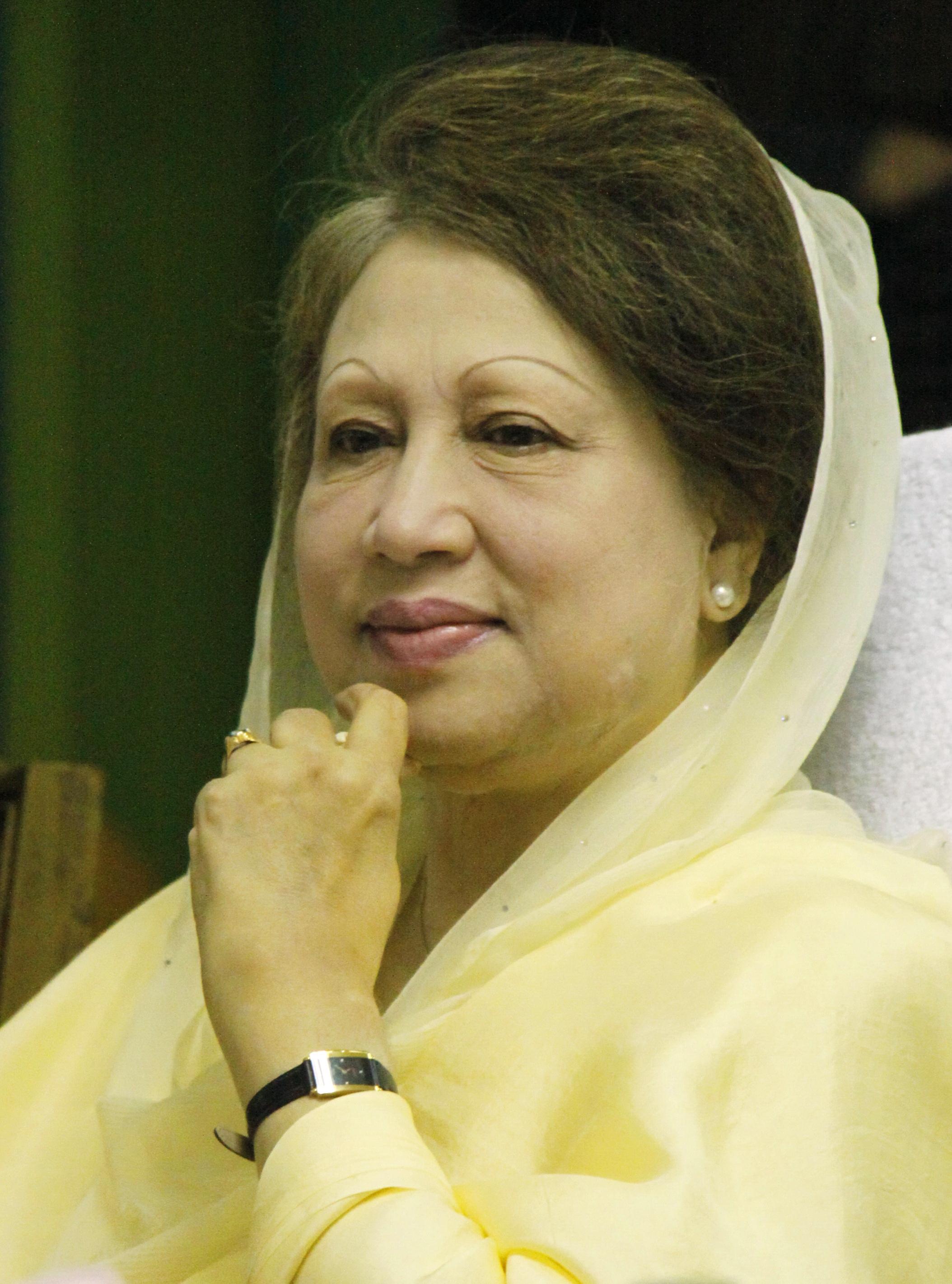
Khaleda Zia, Bangladesh’s First Woman PM, Dies at 80
Bangladesh’s first female prime minister, Khaleda Zia, has died at 80, closing a turbulent chapter in the nation’s politics.
A Nation Loses Its ‘Iron Lady’
Dhaka, Bangladesh — The country woke on Monday to the news that Khaleda Zia, the three-time prime minister who shaped Bangladeshi politics for four decades, had died at the age of 80. Zia passed away at 2:47 a.m. local time at Evercare Hospital, where she had been treated for complications of liver disease and kidney failure, according to her family’s spokesperson.
From First Lady to First Female PM
Her journey began in 1981, when the assassination of her husband, President Ziaur Rahman, catapulted the 36-year-old mother of two into the leadership of the Bangladesh Nationalist Party. Within six years she led the BNP to a landslide victory, becoming the first woman to head government in a Muslim-majority country.
“She was not just a politician; she was a movement,” said Mahfuz Anam, editor of The Daily Star. “Love her or hate her, you could not ignore her.”
The Years in Power—and in Prison
Zia served as prime minister twice in the 1990s and again from 2001-2006, overseeing fast economic growth but also accusations of corruption. In 2018 she was convicted of graft and jailed; months later she was moved to hospital with what doctors called advanced arthritis and cardiac issues. A government order suspended her sentence on humanitarian grounds, but she remained barred from leaving the country.
Street Protests and a Party in Disarray
Her death leaves the BNP at a crossroads. The party boycotted the 2014 and 2024 polls, alleging rigging, and has seen thousands of its activists detained. Analysts say the vacuum could embolden smaller opposition groups or push the BNP toward a more conciliatory stance.
Global Reactions
- Indian Prime Minister Narendra Modi called Zia “a towering figure who contributed to Bangladesh’s democratic evolution.”
- Pakistan’s foreign office praised her role in “regional cooperation and people-to-people contacts.”
- The UN Secretary-General urged “calm and unity” as the country mourns.
A Divided Legacy
To supporters, Zia was the embodiment of resilience, a woman who defied military rulers and economic crises. To critics, her later years were marred by nepotism and a confrontational style that deepened polarisation. Yet even opponents lined the hospital driveway on Monday, some in tears, as her coffin—draped in the red-and-green BNP flag—was driven to her Gulshan residence for funeral prayers.
Flags will fly at half-mast for three days, the government announced, and a state funeral is planned at the parliament compound. For a nation accustomed to political fireworks, the coming week will be measured in the quieter cadence of grief—and in the unanswered question of who will inherit the street power of Bangladesh’s ‘Iron Lady’.