Yemeni Forces Retake Key Ground from Southern Separatists in Saudi-Backed Push
Yemeni troops, supported by Saudi-led coalition airpower, recaptured strategic areas around Aden from southern separatists, intensifying the fractured conflict.
A Sudden Reversal on the Southern Front
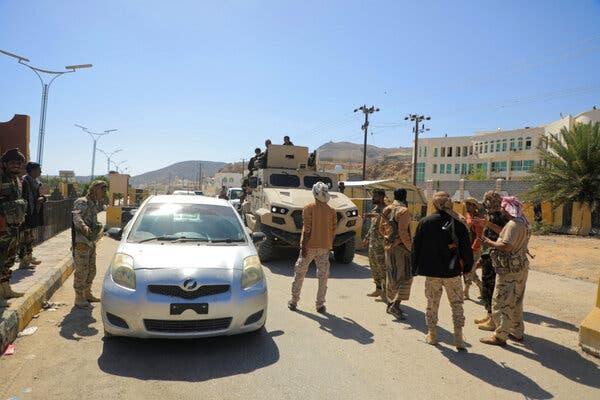
At dawn on Monday, columns of Yemeni army units rolled across the dusty approaches to the port city of Aden, their Saudi-supplied armored vehicles kicking up plumes of ochre smoke. Within hours, they had planted the republic’s flag atop the abandoned separatist headquarters—an outcome few analysts had predicted only days earlier.
How the Offensive Unfolded
Local witnesses describe a coordinated three-pronged assault that began with coalition airstrikes at 04:30 local time. Ground troops then moved north from Lahij province, meeting only sporadic resistance from the Southern Transitional Council (STC) militias, whose frontline commanders reportedly received no orders to stand firm.
“We woke to the sound of jets, then tanks in the streets,” said Amal Saeed, a teacher sheltering with her three children. “By noon, the separatist checkpoints were gone.”
Riyadh’s Calculated Gamble
Diplomats in Riyadh say the kingdom green-lit the operation after STC leaders refused to relinquish control of Aden’s airport and oil terminals—assets crucial to financing Yemen’s battered economy. Saudi Arabia’s urgent goal: prevent the STC from consolidating a de-facto statelet along the Bab al-Mandab chokepoint, a waterway through which 2.5 million barrels of crude flow daily.
- STC officials claim they withdrew to “avoid civil bloodshed.”
- Yemen’s internationally recognized government hailed the move as a step toward reunification.
- UN envoys warn the flare-up could derail already fragile peace talks scheduled for Geneva next month.
Humanitarian Fallout
Medics at Aden’s Al-Sadaqa hospital report at least 17 dead and dozens wounded, though casualty figures remain fluid. The UN Office for the Coordination of Humanitarian Affairs says 3,200 families have fled shelling in surrounding districts, swelling displacement camps already stretched by years of war.
What Comes Next
Control of terrain may have shifted, but the underlying fractures inside the anti-Houthi camp remain. Analysts caution that unless Saudi Arabia can broker a durable power-sharing accord, today’s victors could find themselves mired in yet another cycle of internecine warfare.