Left-Wing Militants Claim Berlin Power-Grid Arson That Plunged Thousands into Darkness
Left-wing militants say they torched a Berlin substation, cutting power to 38,000 homes and raising fears of a wider campaign against Germany’s grid.
Shadows Over Berlin
BERLIN—Shortly after 2 a.m. Tuesday, a chain of explosions rippled through a high-voltage substation on the city’s west side. Within minutes, 38,000 households lost power, traffic lights blinked out, and the neon glow of Ku’damm went black. By dawn, a little-known militant group calling itself Kollektiv Tarnlicht had emailed a one-sentence claim of responsibility to local media: “We burned the cables; capitalism chokes on darkness.”
Attack on the Grid
Federal investigators say at least three incendiary devices were placed beside junction boxes feeding the 110-kV network. The crude but effective bombs ignited transformer oil, sending flames 15 metres into the night sky. Fire crews needed two hours to contain the blaze; no injuries were reported, but the outage forced the German Opera to cancel a sold-out performance and left commuters stranded on underground lines.
“Whoever targets critical infrastructure is attacking society itself,” Interior Minister Nancy Faeser told reporters outside the blackened facility. “We will respond with the full force of the law.”
Left-Wing Militancy Re-Emerges
While Berlin has seen sporadic anarchist arsons—most recently car-torchings in gentrifying districts—strikes against power utilities mark an unsettling escalation. The Federal Criminal Police (BKA) has logged 23 left-wing sabotage incidents nationwide this year, double the 2022 tally. Security sources say Kollektiv Tarnlicht first surfaced in encrypted chatrooms after police cleared the Köpi-Platz squat last winter, vowing “economic disruption until the last eviction.”
Prosecutors have assigned the case to Staatsschutz, the division that handles politically motivated crime. Early forensic clues point to a meticulous operation: copper cables were severed with bolt cutters bearing distinctive serrations, and timers were fashioned from analogue alarm clocks—hallmarks of 1970s Red Army Faction tactics updated for the TikTok era.
City on Edge
By afternoon, engineers rerouted electricity through auxiliary lines, restoring service to hospitals and the S-Bahn. Yet the psychological outage lingers. Supermarkets ran diesel generators to keep freezers cold; pharmacies reported a run on battery packs. Mayor Kai Wegner convened an emergency security session, pledging €10 million for grid surveillance cameras and drone patrols.
Energy provider 50Hertz warned that copy-cat strikes could destabilise the wider European network. “Germany is an electricity transit hub,” spokesperson Tim Jeske said. “A simultaneous hit on two substations could trigger rolling outages from Hamburg to Munich.”
What Happens Next?
Investigators have released grainy CCTV footage of two hooded figures scaling a perimeter fence. They urge anyone who noticed “people carrying unusually heavy backpacks” near Spandauer Forest trailheads to come forward. Meanwhile, left-wing forums sympathetic to Kollektiv Tarnlicht praised the arson as “a flare against fossil-fuel capitalism,” though no major activist coalition has endorsed the sabotage.
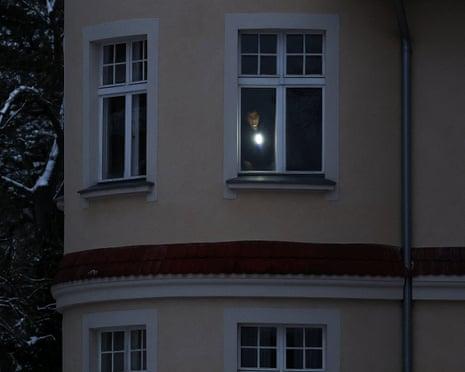
As dusk fell, Berliners lit candles in apartment windows—some in solidarity, others in quiet defiance. The city that once endured blackouts from Allied bombs and Cold-War power cuts now confronts a new darkness, one sparked by its own radical fringe.