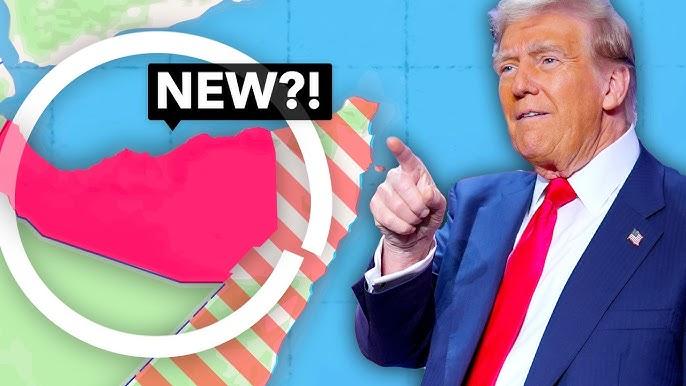
Trump Pumps the Brakes on Somaliland Recognition as Netanyahu Breaks Ranks
Trump signals he won’t recognize Somaliland’s independence, bucking ally Netanyahu’s diplomatic opening and leaving Africa’s most stable breakaway region in limbo.
A Diplomatic Split in the Making
Mar-a-Lago, Florida—When Donald Trump strode into the gold-trimmed ballroom for a short foreign-policy Q&A Tuesday night, the question hanging in the humid air wasn’t about Ukraine, China or even the 2024 race. It was about a slender wedge of land 7,500 miles away that has spent three decades pleading for a seat at the nations table: Somaliland.
"I like the people, they’re incredible fighters," Trump said, leaning into the microphone. "But we’re not ready. Not yet."
"We have to see what happens with Somalia first," he added, shrugging as if the fate of 3.5 million Somalilanders were a subplot still being written.
Why the Hesitation Matters
Inside Africa’s Horn, Somaliland has functioned as a de-facto state since 1991, holding six peaceful elections, issuing its own currency and even hosting a U.S. military drone base at Berbera. Yet no Western power has recognized its independence, largely to avoid destabilizing the rest of Somalia.
That calculus may be shifting. Israeli Prime Minister Benjamin Netanyahu—one of Trump’s closest allies on the global stage—signed a memorandum of understanding with Somaliland’s president last month that opens an "embassy-style" liaison office in Hargeisa, the bustling capital surrounded by dusty hills and open-air markets.
Netanyahu’s Gamble
Netanyahu’s move is classic Bibi: a bold diplomatic wedge issue wrapped in strategic self-interest. Israel wants Red-Sea partners to counter Iran’s influence in Eritrea and Sudan. Somaliland wants legitimacy. The optics—blue-and-white flags fluttering beside the Somaliland camel emblems—sent Mogadishu’s fragile government into emergency session.
Trump, however, is threading a different needle. Advisers say the former president worries that recognizing Somaliland now could:
- Alienate Gulf donors who back Somalia’s federal government
- Complicate U.S. counter-terror cooperation with Mogadishu against al-Shabaab
- Give President Biden a bipartisan diplomatic win if a deal is struck before 2024
The Hargeisa Reaction
Inside the Hargeisa Cultural Center, where poets still recite verses about British protectorate days, the mood was subdued. "We hoped Trump would be the breakthrough president," said Nafisa Yusuf, a 27-year-old tech entrepreneur. "But we’ve waited 32 years. We can wait a few more."
Local officials are betting that pragmatic ties—port upgrades, oil exploration licenses, telecom investments—will eventually force Washington’s hand. The UAE is already building a new deep-water port at Berbera capable of berthing U.S. aircraft carriers. DP World, Dubai’s logistics giant, manages the facility.
What Happens Next
State Department insiders say the Biden administration is quietly drafting a "road map" that could lead to recognition if Somaliland and Somalia hold a mutually agreed referendum—an unlikely prospect given Mogadishu’s hardline stance. Trump’s comments effectively slam the brakes on any fast-track U.S. shift, leaving the diplomatic ball in Netanyahu’s court.
For now, the camel caravans still cross the Somaliland desert, the call to prayer still echoes over Hargeisa’s tin roofs, and the world’s newest would-be country still waits—statehood deferred, not denied.