Israel Recognises Somaliland, Sending Shockwaves Through the Horn of Africa
Israel becomes the first UN-member state to recognise Somaliland, upending Horn of Africa politics and triggering emergency UN talks.
A Diplomatic Thunderbolt in the Horn
Jerusalem—In a move that caught even seasoned diplomats off guard, Israel on Monday announced formal recognition of Somaliland, the self-declared republic that broke away from Somalia in 1991 but has never been widely acknowledged as sovereign. Within minutes, the story leapt from diplomatic wires to trending hashtags, igniting emergency sessions at both the African Union and the United Nations.
Why This Matters
- First-mover advantage: Israel becomes the first UN-member state to extend full recognition, potentially unlocking a fresh alliance in the Red Sea corridor.
- Regional ripple effect: Neighbouring Eritrea and Ethiopia—already jostling over port access—now face a redrawn strategic map.
- Global flashpoint: Somalia, which considers Somaliland part of its territory, recalled its ambassador to Tel Aviv and called for an urgent UN Security Council briefing.
Inside the Decision
According to three officials briefed on the cabinet discussion, Prime Minister Benjamin Netanyahu pushed the measure through a late-night ministerial vote, arguing that "recognising reality strengthens security". The same officials say Israel eyes the port of Berbera as a counterweight to Iranian influence in the region and a staging post for its expanding naval presence.
"We are not inventing a country; we are acknowledging one that has governed itself for three decades," Netanyahu told reporters, brushing aside claims the move was timed to distract from domestic protests over judicial reform.
Hargeisa Celebrates, Mogadishu Fumes
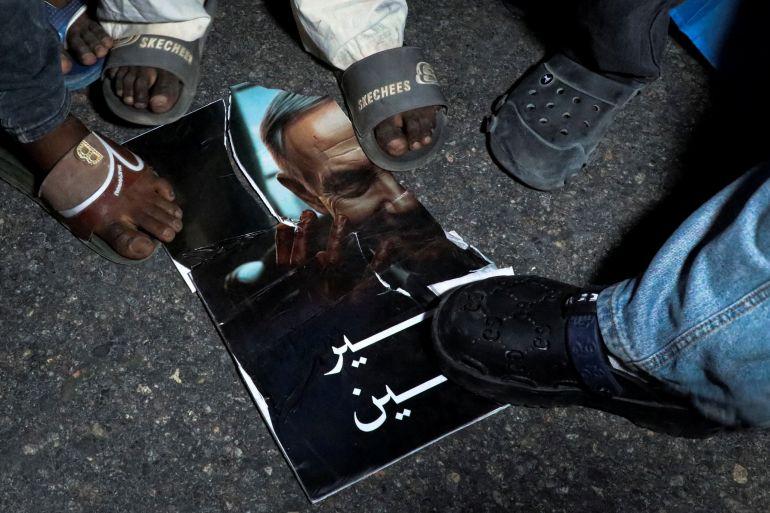
In Somaliland’s capital, Hargeisa, thousands poured into Independence Park, waving the green-white-red flag and chanting "Israel, thank you!" President Muse Bihi Abdi called the recognition "a ticket to the community of nations" and immediately invited Israeli businesses to invest in the corridor linking Berbera to Ethiopia’s 120-million-strong market.
Back in Mogadishu, Somalia’s President Hassan Sheikh Mohamud condemned what he labelled "an attack on African unity" and warned that recognising "separatists" would embolden other breakaway regions across the continent. The Arab League echoed the protest, while Egypt—already at odds with Israel over Gaza—hinted at reviewing its 1979 peace treaty commitments.
What Happens Next
Diplomats at UN headquarters in New York expect a Security Council session before the week is out. Western powers, including the United States and France, urged "restraint and dialogue", mindful that Somaliland’s strategic coastline is increasingly courted by Gulf states and rival global navies.
Meanwhile, Israeli flags began appearing on merchandise in Hargeisa’s bustling market, and travel agencies reported a spike in enquiries about the first direct Tel Aviv–Berbera flights, though no airline has yet scheduled the route.
For now, the world watches a fragile region where one nod from Jerusalem may redraw borders that have existed only on paper since the Cold War.