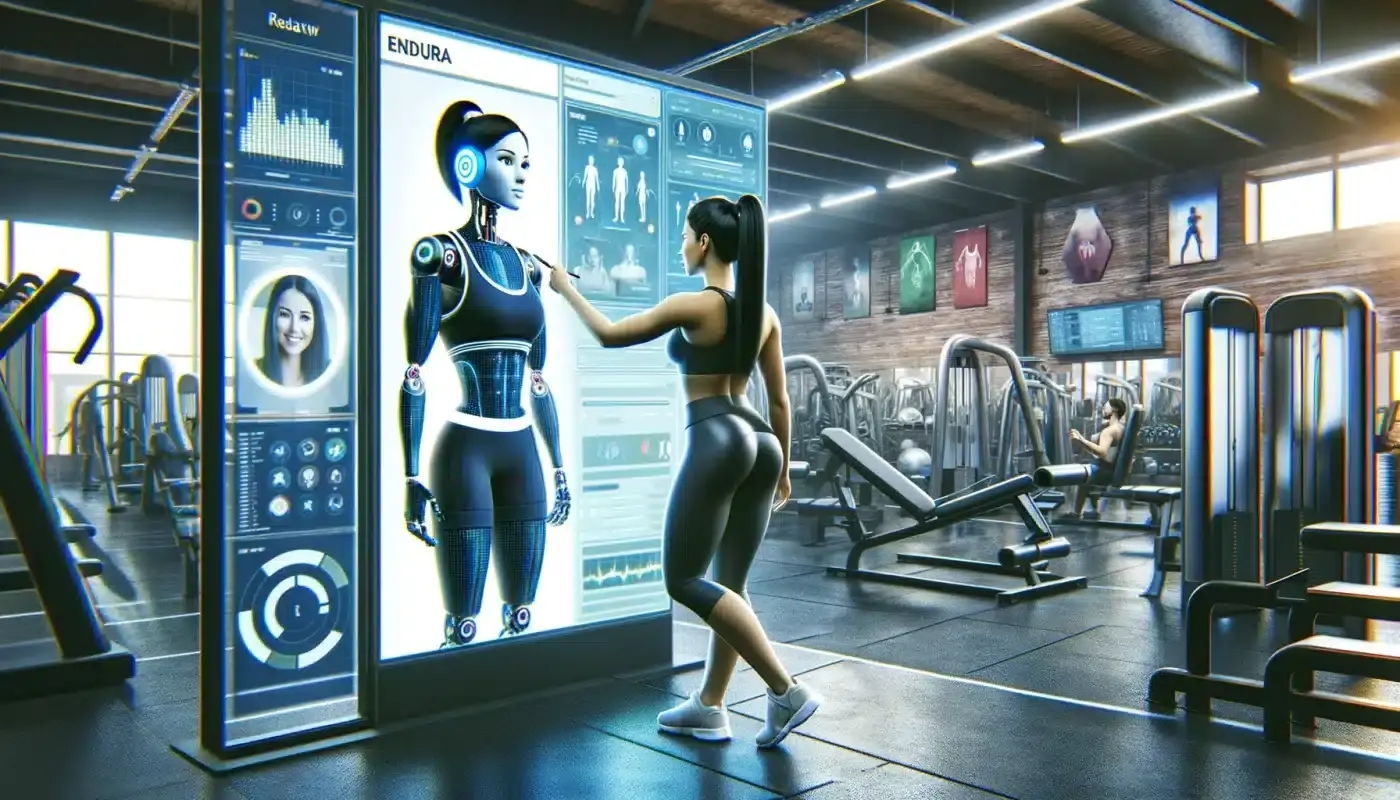
The Algorithm That Built a Stronger Man: One Swansea Local’s AI Gym Diary
A Swansea lifter handed his training log to an AI coach; twelve weeks later he’s hitting personal records and sparking debate about the future of personal training.
The day the weights started talking back
On a rain-slick Tuesday in Swansea, 34-year-old Rhys Morgan stepped into his garage gym, flicked on a single bulb, and asked his phone how far he could push himself today. Within seconds, a calm voice replied: "Add 2.5 kg to your dead-lift, drop the reps to four, and rest ninety seconds. You’re ready."
A lonely barbell finds a coach
Morgan, a civil-service clerk by day, had lifted for a decade with respectable but stubbornly flat results. Then, last January, he uploaded five years of workout logs to an AI training app he refuses to name—"I’m not here to sell software," he laughs—and surrendered control.
"I basically said, ‘Here’s my body, here’s my sleep data, here’s the beer I drank on Saturday. Surprise me.’"
Within twelve weeks the algorithm reshuffled every variable: volume, rest, even the brand of running shoes he wore on conditioning days. The numbers crept upward. By Easter, Morgan’s dead-lift had jumped from 170 kg to 205 kg. Body-fat dropped from 22% to 14%. He claims it’s the strongest he’s ever been without a human coach.
Why it works (and where it watches)
- Daily readiness surveys adjust loads in real time.
- Form-checking vision models flag dangerous knee valgus on squats.
- Macro targets recalculate automatically when the fridge barcode scanner logs food.
The result: a feedback loop tighter than most elite training camps, running on £19.99 a month.
The human cost of silicon coaching
Not everyone cheers the march of code into the weight room. Local PTs report cancellations as clients trial AI programmes. Dr Carys Llewellyn, sports psychologist at Swansea University, warns of blurred boundaries:
"If an algorithm pushes you for a PB on the very day your cortisol is spiking, who carries liability? The user? The coder? It’s uncharted."
Morgan admits the first month felt alien—"like texting a ghost who knew my quads better than I did"—but argues the data belongs to him. He can unplug anytime. He hasn’t, yet.
What happens when the gym goes dark?
Power cuts happen; phones drop. Morgan keeps a battered notebook now, a concession to analogue paranoia. Still, he believes AI coaching is past the gimmick phase. "It’s like sat-nav for your muscles," he says, chalking up for another set. "Ignore the turn once, and you’ll still get somewhere. But follow the route, and you arrive faster."
Outside, the Welsh rain keeps falling. Inside, the bar is loaded to 210 kg, a number the app set this morning. Morgan grips, breathes, and lifts—his strongest pull yet, witnessed only by a phone camera and the soft whirr of a garage heater.