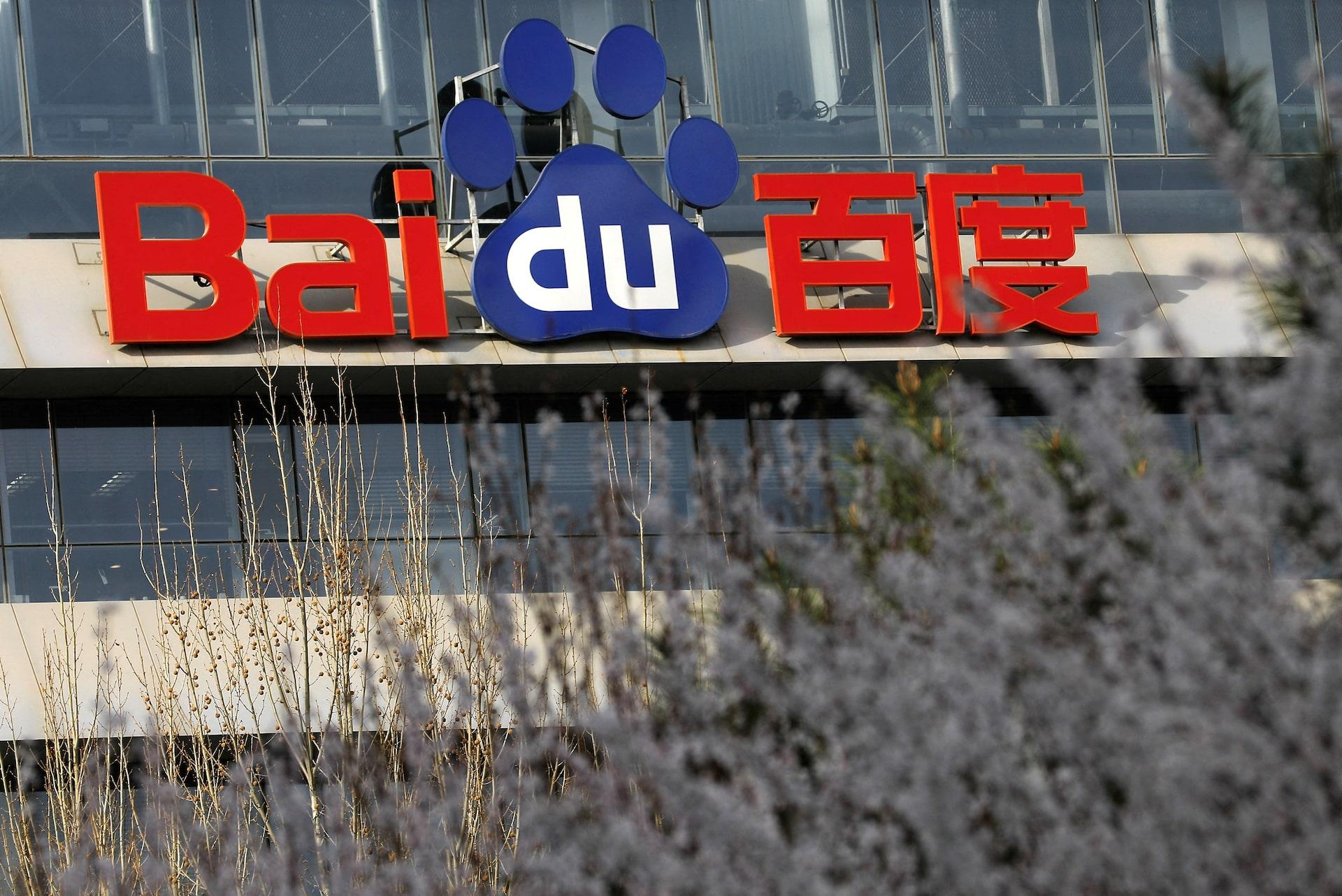
Baidu’s Kunlunxin Files for Hong Kong IPO Amid China’s AI Chip Gold Rush
Baidu’s chip unit Kunlunxin seeks a Hong Kong IPO, aiming to cash in on China’s AI boom while navigating geopolitical headwinds.
Silicon Dreams on Victoria Harbour
Hong Kong—At 9:17 a.m. local time, a courier slipped a thick envelope into the drop-box of the Stock Exchange. Inside: the prospectus of Kunlunxin, the chip-making arm spun out of Baidu three years ago. By lunch, word had spread through Central’s coffee shops that another Chinese semiconductor story was hunting for fresh capital.
From Search Engine to Silicon Foundry
Kunlunxin was born in 2020 when Baidu carved out its AI-accelerator team, betting that the algorithms powering its search box would one day need their own silicon. The bet paid off faster than expected. Revenue jumped from 180 million yuan in 2021 to 1.4 billion yuan last year, lifted by demand for inference chips that let large-language models run inside domestic data centres.
‘We are not chasing Moore’s Law; we are chasing China’s sovereignty over compute,’ Kunlunxin CEO Ouyang Jian told investors during a closed-door roadshow in Shenzhen last week.
Why Hong Kong, Why Now?
Three forces converged: Beijing’s urging that hard-tech champions list closer to home; a pipeline of government orders worth 2.3 billion yuan; and a valuation gap. Hong Kong tech stocks trade at 18-times forward earnings versus 35-times on Shanghai’s STAR Market, leaving room for upside if Kunlunxin can sell the growth story abroad.
What the Filing Reveals
- Pre-IPO revenue of 1.43 billion yuan (≈US$200 m) with gross margin at 46 %
- R&D spend equal to 58 % of revenue—double the industry average
- State-backed China Integrated Circuit Industry Investment Fund owns 8.9 %
- Uses 7-nm process from TSMC, though second-gen Kunlun-2 will be fabbed by SMIC on 14-nm
Market Tailwinds
China imported US$350 billion of semiconductors last year—more than crude oil. Localising even a sliver of that flow is strategic. Morgan Stanley estimates China’s AI chip market will compound at 40 % annually through 2027, creating a US$28-billion pond for home-grown designers.
Risk on the Horizon
Washington’s export controls still loom. Kunlunxin’s first-generation AI accelerator relies on Arm IP licensed before the tighter rules, but future cores must avoid U.S. content or secure hard-to-get licences. Investors also worry about customer concentration: Baidu still accounts for 38 % of sales.
What Happens Next
Bankers expect a roadshow in late August, with listing likely before National Day holidays. If pricing tracks peer multiples, Kunlunxin could raise US$700–900 million, minting the first Hong Kong-listed pure-play on Chinese AI silicon.
Back in Central, the courier who delivered the papers has long since disappeared into the crowd. But the document he carried may help redraw the map of global semiconductors—one listing at a time.