Syria Opens Mass-Grave Probe, Confronting Assad-Era Atrocities
Syria has launched its first criminal probe into a mass grave from the Assad era, exhuming over 300 bodies and reviving calls for accountability.
Remains of the Past
ALEPPO—When municipal workers widening a sewage trench last month struck bone instead of bedrock, they stumbled onto what prosecutors now call the largest mass grave uncovered since Syria’s war began in 2011.
A Silent Witness
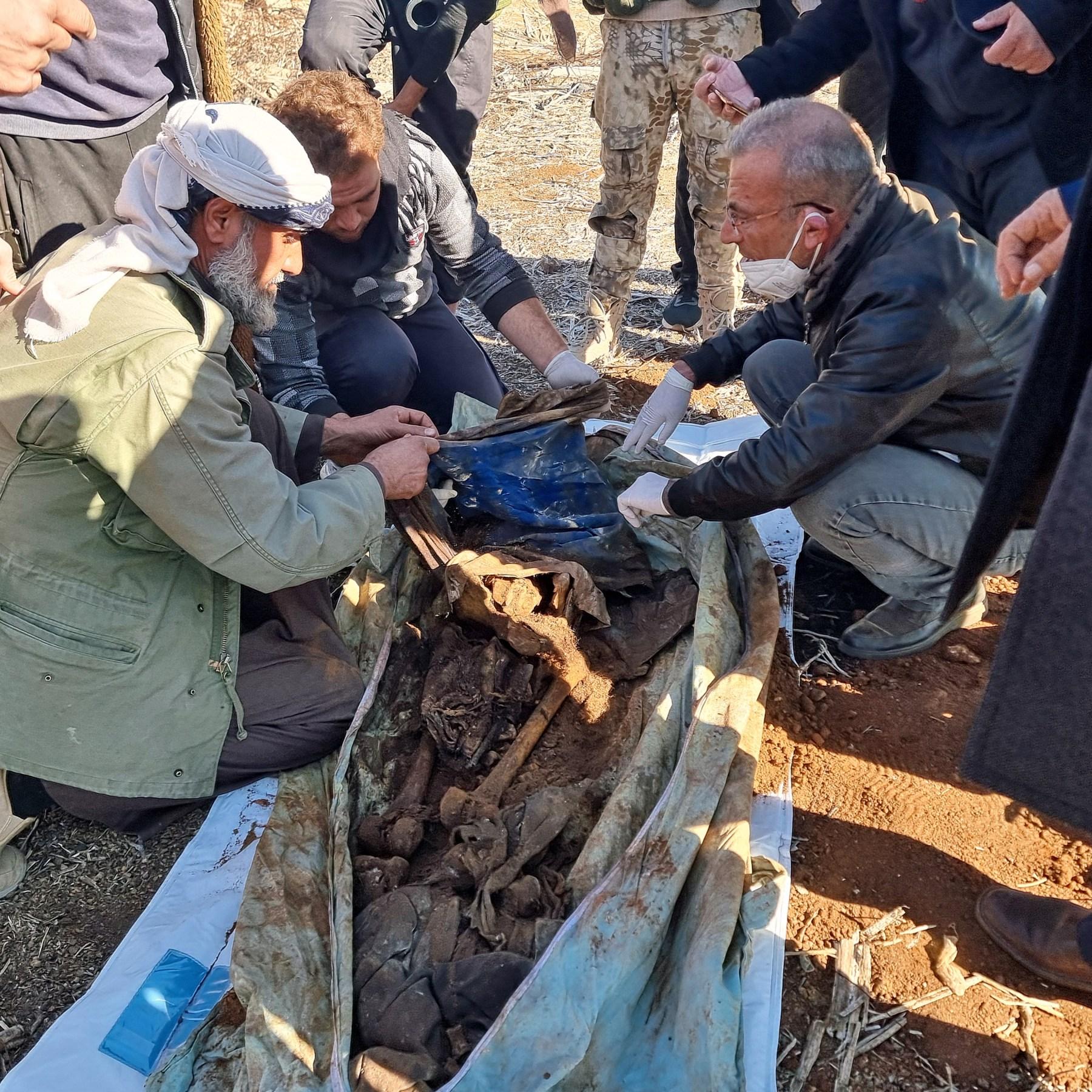
Rows of white body bags now line the dusty lot where backhoes clawed open a pit behind the former Military Security branch once overseen by Bashar al-Assad’s intelligence services. Forensic specialists, masked against the stench, catalogued at least 312 sets of remains—many bound with wire, some shot in the back of the skull.
“The earth itself was screaming,” said Dr. Layla al-Hariri, a Damascus University anthropologist who volunteered for the exhumation. “We mapped layers of clothing, shoes still laced, prayer beads in pockets. It was a burial in haste, but not without intent.”
From Oblivion to Court Docket
Within 48 hours the caretaker government in Damascus announced a criminal investigation, the first time state prosecutors have opened an official probe into atrocities widely blamed on the ousted regime. The move, though largely symbolic while key Assad-era officials remain at large, has electrified survivors’ groups that for years lobbied for accountability.
“We never expected to see handcuffs on the men who signed these orders,” said Mazen al-Shami, whose brother vanished after a 2012 protest in Hama. “Yet today we have case numbers, forensic reports—pieces of truth that can’t be buried again.”
Prosecutors say they have compiled a list of 17 former security commanders suspected of ordering mass detentions and extrajudicial killings between 2011 and 2018. International legal experts caution that any trial inside Syria will need independent monitors to meet minimum fair-trial standards.
Evidence Beneath the Rubble
According to preliminary forensic notes shared with this correspondent:
- Most victims appear to be males aged 16-35, matching the profile of anti-government demonstrators.
- Many bones show perimortem fractures consistent with blunt-force trauma.
- Textile fragments include T-shirts bearing the 2011 revolutionary flag.
- Personal effects—school IDs, hospital appointment cards—place the time of death no later than early 2013.
The site, less than 400 meters from what was once a bustling traffic circle, had been paved over and replanted with decorative shrubs. Residents told neighbors the sudden landscaping in 2014 was “a gift from the governor,” a detail now cited in court papers as evidence of concealment.
A Region Watching
Neighboring governments, long accused of deporting refugees back to Syria, are quietly reassessing policies. Germany’s Federal Foreign Office signaled it could expand universal-jurisdiction cases if Damascus fails to cooperate with international observers. Meanwhile, the European Union has earmarked €3 million to fund DNA testing for families holding only faded photographs of the disappeared.
Still, the exhumations have reopened wounds in a country exhausted by war. In opposition-held Idlib, activists held candlelight vigils naming the presumed victims. In coastal Latakia, where Assad loyalists retain influence, some graffiti warned against “digging up fitna,” Arabic for civil strife.
Uncertain Road to Justice
Back in Aleppo, Dr. al-Hariri and her team store bone samples in refrigerated containers, awaiting funding for isotope analysis that could determine whether victims came from drought-stricken eastern provinces or urban centers like Damascus. Each data point, she says, is a breadcrumb on the trail to accountability.
“We cannot raise the dead,” she murmured, brushing dust from a jawbone. “But we can restore their names, and perhaps—if the courts dare—their killers’ faces.”