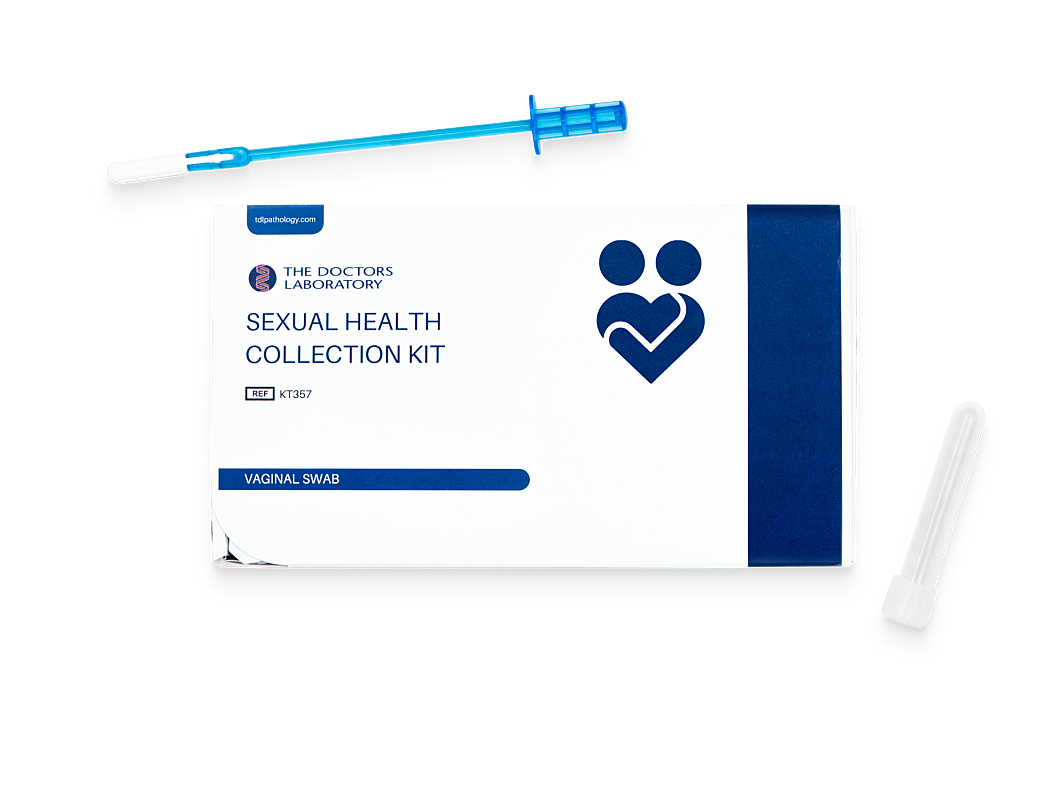
New Federal Guidelines Green-Light At-Home Cervical Cancer Screening
Federal guidelines now back DIY HPV swabs, promising to reach millions who skip clinic visits.
A Quiet Revolution on Bathroom Shelves
Maria Alvarez, 34, never forgot the anxiety of her first Pap smear. The paper gown, the cold speculum, the two-hour bus ride to the clinic. So when a discreet white envelope arrived last month containing a cotton-tipped swab and a prepaid return label, she stared at it in disbelief. “I can do this at my kitchen table?” she asked aloud. The answer, under sweeping federal guidelines released last week, is now a resounding yes.
What the New Rules Actually Say
The U.S. Preventive Services Task Force updated its cervical-cancer playbook to endorse high-risk HPV testing—performed at home—as an equivalent to the traditional doctor-office Pap. Insurers must cover the kits without cost-sharing, and pharmacies can stock them alongside pregnancy tests. The shift could reach an estimated 11 million women who skip screening each year because of cost, geography, or cultural stigma.
“We’re removing the stirrups from the equation,” said Dr. Carla Nguyen, a gynecologic oncologist at Seattle Children’s Hospital who advised the panel. “Cervical cancer is one of the few cancers we can nearly eliminate, but only if people show up for screening.”
How the Test Works
- Order online or pick up at retail; no prescription needed for women 30–65.
- Insert swab 4 cm into vagina, rotate 15 seconds, drop into prepaid vial.
- Lab runs PCR-based HPV test; results texted within five days.
- Positive cases are triaged to local clinics for same-week colposcopy.
The Data Behind the Decision
Three randomized trials in Sweden, Kenya, and the U.S. showed 92 % sensitivity for detecting precancerous lesions—on par with clinician-collected samples. A pilot mailed to 5,000 Medicaid patients in Mississippi yielded a 68 % return rate, triple the clinic attendance in matched controls. Each kit costs Medicare $39 versus $125 for an office visit.
Pushback and Pitfalls
Some OB-GYNs warn of false reassurance; HPV testing misses 8 % of adenocarcinomas that Pap cytology might catch. Others fear domestic-violence survivors could be coerced into testing. The guidelines address this by requiring an opt-in portal that records consent without storing DNA. Meanwhile, rural postal delays could undermine the five-day window for abnormal results. “We need lockers, not just mailboxes,” said Dr. Aisha Malik of the National Rural Health Association.
Big Pharma’s Land Grab
Roche, Abbott, and Becton Dickinson have already submitted FDA amendments to repurpose existing lab assays for home collection. Start-ups like HomeHer and SelfScreen have raised $140 million in combined Series A rounds, betting on subscription models that ship refills every three years. Insurance giants see a windfall: Cigna projects $250 million in annual savings if 30 % of eligible members switch.
Back in the Bronx
Maria Alvarez completed her swab while her toddler napped. Two Tuesdays later her phone pinged: HPV negative. She forwarded the screenshot to her three sisters with a single line: “No excuses now.” Within 24 hours, all four had ordered their own kits. Somewhere, cervical cancer lost another foothold.