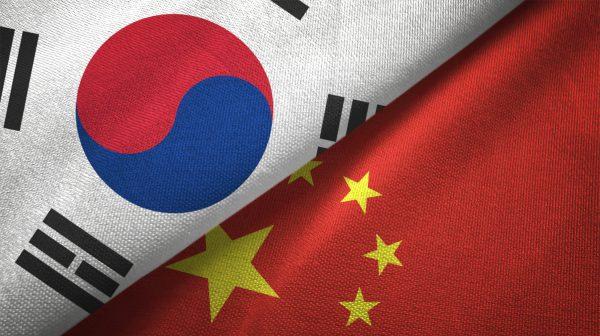
Lee Jae-myung Meets Xi Jinping: Seoul’s Bid to Reset South Korea-China Relations
Opposition leader Lee Jae-myung’s Beijing meeting with Xi Jinping aims to thaw frozen ties and reset South Korea-China relations amid trade and security tensions.
A Frosty Handshake Warms in Beijing
It was the photograph both capitals had waited months for: South Korean opposition leader Lee Jae-myung clasping hands with President Xi Jinping inside the Great Hall of the People, a red-carpet moment designed to signal that the deep freeze between Seoul and Beijing might finally be thawing.
Why This Visit Matters
Lee, chair of the Democratic Party and runner-up in the 2022 presidential election, does not speak for the Yoon administration. Yet diplomats say Beijing rolled out full state-guest protocol for a reason: China wants a back channel if conservative President Yoon Suk-yeol’s pro-U.S. tilt hardens further.
“We stand at a crossroads,” Lee told Chinese state television. “A new phase in South Korea-China relations is not only possible—it is essential for regional stability.”
Trade, Chips and THAAD Ghosts
Officially, the four-day trip focused on trade. China remains Seoul’s largest export market, absorbing a quarter of all shipments, but Korean chipmakers have watched sales sag after Beijing tightened export controls on gallium and germanium last summer.
- Lee pressed for “predictable supply chains” for semiconductors and batteries.
- He asked Xi to lift what Korean executives call an unofficial boycott of K-culture tours and cosmetics.
- Xi, in turn, sought reassurances that Seoul will not expand the U.S. THAAD missile shield—an issue that triggered a $7 billion tourism slump in 2017.
The Domestic Calculus
Back home, Lee’s gambit is risky. Polls show 62 % of Koreans view China unfavorably, yet 71 % want economic ties stabilized. By seizing the diplomatic spotlight, Lee positions himself as a pragmatic alternative should Yoon’s approval ratings—now mired below 40 %—sink further.
What Happens Next
No communiqué was signed, but both sides agreed to resume high-level economic meetings shelved since 2019. A Xi visit to Seoul, once routine, is now penciled in for late 2025—provided “mutual respect” holds, a Chinese foreign-ministry briefing note said.
As Lee’s motorcade left the Zhongnanhai compound, a South Korean reporter asked if he feared being branded Beijing’s pawn. He smiled: “Diplomacy is not a zero-sum game. We must talk, or we risk being talked about.”