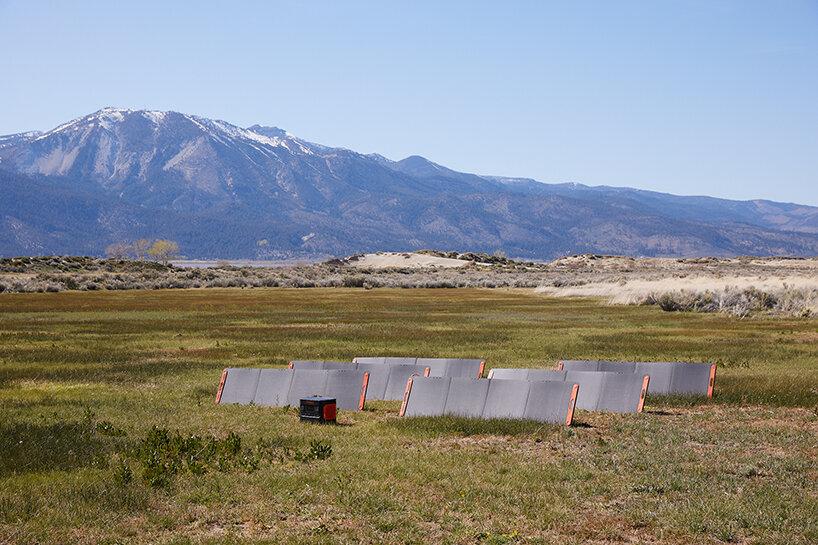
Jackery Turns CES Into a Sun-Powered Playground With Gazebo-Size Panels and a Robot That Trails the Light
Jackery’s CES 2026 showcase delivers a 3.6 kW solar gazebo and an AI-guided SunBot that follows the light, turning backyard hangouts into self-sufficient power plants.
The Dawn of a Solar Playground
LAS VEGAS—On the first morning of CES 2026, the Jackery booth looked less like a tech stand and more like a backyard from the future. A cedar-framed gazebo—its roof a seamless sheet of matte-black solar tiles—was pumping out 3.6 kW of power while a small autonomous robot scooted along the carpet, angling its own panels toward the strip’s anemic winter sun. By noon, visitors were charging lattes, laptops, and even an electric scooter from nothing but photons.
From Campers to Ecosystem Builders
For years Jackery has been the go-to name for “battery in a box” camping gear. Now, the California firm wants to own the entire off-grid lifestyle. “We started with one question,” chief product officer Lily Huang told me between radio interviews. “What if solar wasn’t something you carried, but something that simply followed you?”
Her answer came in three announcements:
- SolarGazebo Pro – A 144-cell, 3.6 kW rooftop that clicks together like Lego, ships in a golf-cart-size box, and feeds the company’s new 5 kW Explorer Pro station.
- SunBot 1 – A 25-pound rover that unfurls a 400 W panel, tracks the sun via AI vision, and docks itself to a power station when full.
- Jackery API – An open software layer that lets homeowners, van-lifers, or disaster-relief crews daisy-chain unlimited units into a virtual power plant.
“Our North Star is resilience without sacrifice,” Huang said. “If the grid sneezes, your house shouldn’t catch a cold.”
Power Outage, Meet Power Play
The demo turned theatrical when engineers flipped a breaker, killing the booth’s grid connection. Monitors stayed on, espresso machines hissed, and a neon “off-grid” sign glowed brighter. Within five minutes, SunBot 1 had repositioned itself toward a skylight, compensating for the lost lumens. “That micro-adjustment added 11 percent more harvest,” engineer Carlos Vega whispered, eyes locked on a tablet graph.
Price Tag and the Road Ahead
Jackery will crowdfund the SolarGazebo Pro this spring at an early-bird price of US$3,499; SunBot 1 starts at US$1,199. Both ship third quarter. The API remains free, a move analysts say is designed to lock users into Jackery’s battery ecosystem before rivals respond.
Why It Matters
Climate-driven outages cost the U.S. economy US$150 billion last year, according to the Department of Energy. Portable solar currently accounts for less than 1 percent of backup solutions. “If Jackery nails plug-and-play micro-grids, they could turn rooftop solar from a 30-year mortgage decision into a weekend project,” said independent energy analyst Maya Patel, who isn’t affiliated with the firm.
As the booth lights dimmed at the end of the day, Huang pressed a button. The gazebo’s internal LEDs switched from white to a gentle amber, mimicking a desert sunset. Somewhere inside the roof, surplus electrons were already topping up a battery that, in theory, could keep the whole display running until the real sun rose again over the Vegas strip.