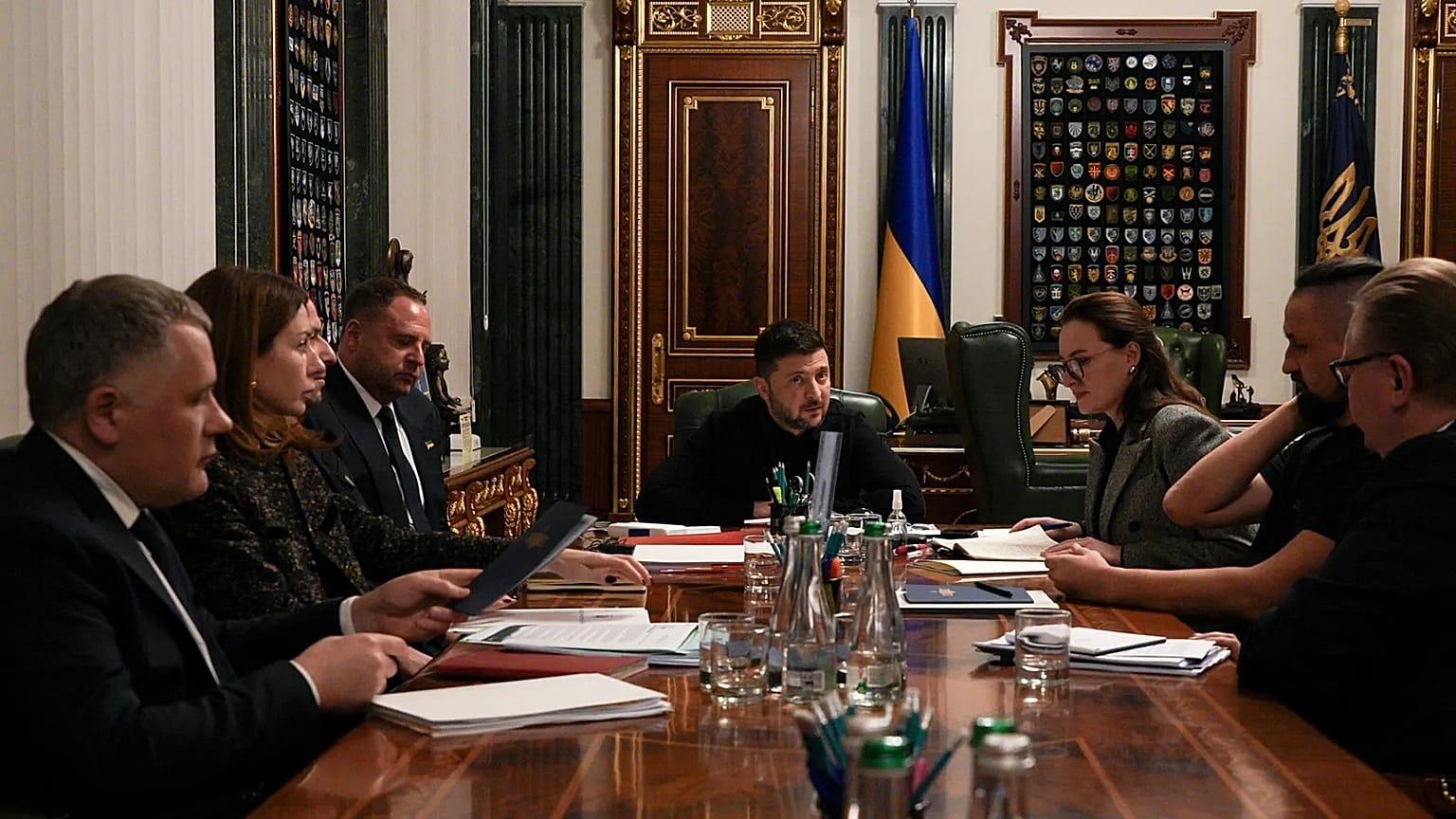
Zelenskiy Taps Ukraine’s Spy Chief to Run Presidential Office in Dramatic Shake-Up
Zelenskiy replaces his chief of staff with spy chief Kyrylo Budanov, signaling a wartime power shift.
Kyiv—In a midnight move that jolted the capital, President Volodymyr Zelenskiy on Monday dismissed his long-serving chief of staff and handed the keys to the presidential administration to Kyrylo Budanov, the 38-year-old head of the Main Intelligence Directorate better known for sabotage raids inside Russia than for the back-room politics of Bankova Street.
The Announcement That Rocked Bankova Street
Telegram channels lit up at 23:47 when Zelenskiy’s office posted a terse statement: “To strengthen coordination in wartime, Major-General Kyrylo Budanov is appointed head of the Presidential Administration.” Within minutes, footage showed outgoing chief Andriy Yermak loading boxes into a sedan, ending a tenure that began in 2020 and saw him become one of Ukraine’s most influential figures.
“We need new speed and new thinking,” Zelenskiy said in a brief video address. “Budanov has proven he can deliver results under fire.”
From Shadow Wars to the President’s Desk
Budanov’s résumé reads like a spy thriller: decorated for operations behind Russian lines, wounded twice, and credited with drone strikes on the Crimean bridge and the sinking of the Moskva flagship. Colleagues describe him as soft-spoken, prone to quoting Sun Tzu, and allergic to neckties—traits that will now collide with the protocol-heavy world of cabinet meetings and diplomatic cables.
- Reputation: Mastermind of high-risk sabotage missions.
- Challenge: Managing a 400-person bureaucracy while the war drags on.
- Signal: A wartime president doubling down on security credentials ahead of expected Western pressure for elections.
What Changes—And What Doesn’t
Insiders say Yermak will retain informal influence, especially on U.S. relations. Yet the shake-up consolidates power in the security bloc: Budanov’s deputy at HUR, Oleksiy Kukharuk, is tipped to step into his old intelligence role, ensuring continuity on the battlefield even as the presidential office pivots to a more militarized rhythm.
Western diplomats, already jittery over delayed aid packages, greeted the news cautiously. “We work with institutions, not individuals,” one EU envoy told reporters, “but we’ll watch for signals on anti-corruption and media reforms.”
Looking Ahead
Parliament must still approve Budanov’s civilian rank, a formality given Zelenskiy’s majority. More pressing: a looming counter-offensive season and Kyiv’s bid to keep arms flowing from Washington amid a fractious U.S. election cycle. For now, Kyiv’s corridors of power echo with a new cadence—boots, not loafers, on the marble floors.