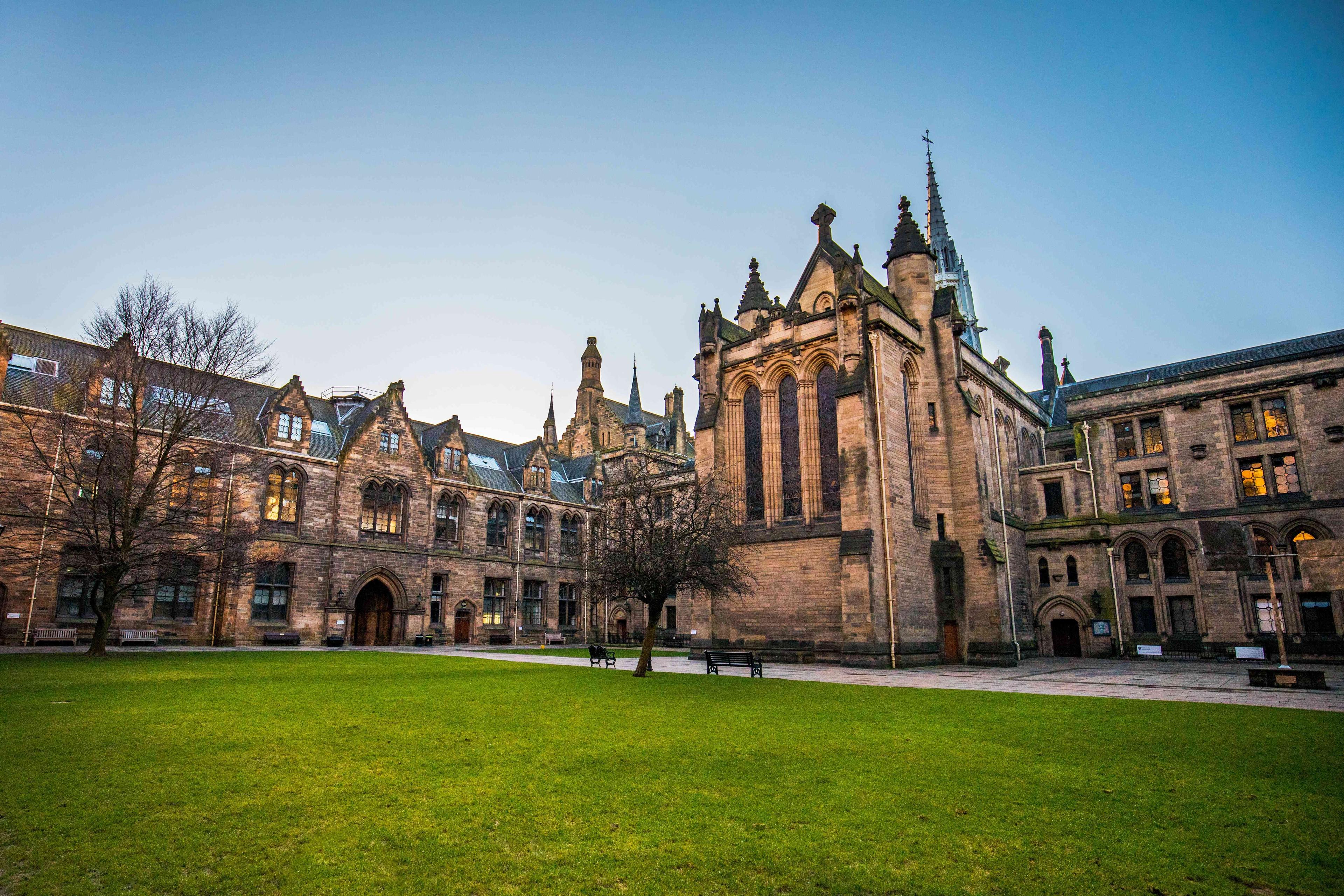
Yale University's Groundbreaking Move: Free Tuition for Families Under $200,000
Yale University's decision to offer free tuition to families with incomes under $200,000 marks a significant shift in the approach to higher education, challenging traditional notions of accessibility and excellence.
Imagine a world where the weight of crippling student loan debt is a thing of the past, where the brightest minds can thrive without the burden of financial constraints. This isn't a utopian dream but a reality that Yale University is poised to make a significant step towards with its announcement to offer free tuition to families with incomes under $200,000. This move is not just a generous gesture but a strategic shift in how we approach higher education and its accessibility.
Breaking Down Barriers: The Democratization of Elite Education
Yale's decision is a bold statement in the ongoing conversation about the cost of higher education and its impact on societal mobility. By essentially eliminating tuition for a broad swathe of the middle and lower-middle class, Yale opens its doors wider than ever before to a diverse pool of talent. This isn't merely about philanthropy; it's about recognizing that talent is evenly distributed, but opportunity is not.
"The goal here is not just to make Yale more accessible but to redefine what it means to be part of the Yale community," said Dr. Maria Rodriguez, an education policy expert. "It's about creating a space where individuals from all walks of life can contribute to and benefit from the academic excellence Yale has to offer."
The Ripple Effect: How Yale's Move Could Reshape Higher Education
The implications of Yale's decision are far-reaching and could potentially spark a revolution in how higher education institutions approach tuition and financial aid. If one of the world's most prestigious universities can make such a significant shift, the question on everyone's mind is: who's next? The race to attract the best talent, coupled with the growing public outcry over student debt, may push other elite institutions to reconsider their pricing models.
Expert Insights: The Financial and Social Impact
According to financial analysts, Yale's endowment, which stands at over $40 billion, provides a unique cushion that allows for this generosity. "Yale is in a position to absorb the costs without significantly impacting its overall financial health," notes economist John Lee. "The real question is how this will affect the broader higher education landscape and whether other institutions can follow suit without destabilizing their financial structures."
Why This Matters: The Human Element of Higher Education
Beyond the financial and academic implications, Yale's move touches on a deeper issue: the human cost of pursuing higher education. The stress, the pressure, the sacrifices made by students and their families – all these are alleviated to some extent by the assurance of free tuition. It's a step towards recognizing that education is a fundamental right, not a privilege reserved for the wealthy.
A New Era of Accessibility and Excellence
As we look to the future, one thing is clear: Yale's decision marks the beginning of a new chapter in the story of higher education. It challenges traditional notions of what it means to be an elite institution and paves the way for a more inclusive, more diverse academic community. The question now is not if other universities will follow suit but how quickly they can adapt to this new paradigm.
The Bigger Picture: Global Implications and the Future of Education
On a global scale, Yale's move could inspire similar initiatives, challenging the traditional models of education funding worldwide. It underscores the importance of investing in human capital and the potential returns, not just for individuals but for societies as a whole. As the world becomes increasingly interconnected, the way we approach education will play a crucial role in shaping our collective future.
A Call to Action: Reflecting on the Value of Education
As we consider the implications of Yale's groundbreaking decision, we're reminded of the inherent value of education. It's not just about personal advancement or economic growth; it's about cultivating a society that values knowledge, critical thinking, and creativity. The real challenge now is to ensure that this move is not an isolated incident but the catalyst for a broader movement towards making quality education accessible to all.
And so, as we stand at the threshold of this new era, we're left with a profound question: what does the future of education look like when the barriers to entry are lowered, and the potential for growth is limitless? The answer, much like the future itself, is unwritten – waiting to be shaped by the collective efforts of educators, policymakers, and individuals who believe in the transformative power of education.