Wells of Fortune: How Maduro’s Fall Hands U.S. Oil Giants the Keys to Venezuela’s Crude Kingdom
Shares of U.S. oil majors surged after Venezuela’s interim government quietly signed a memo granting American firms early access to the world’s largest crude reserves.
The Knock on the Palace Door
Caracas—For the first time in two decades, the Miraflores Palace was quiet before dawn. By sunrise, word spread that Nicolás Maduro had been flown out under military escort, ending a regime that turned one of the world’s richest oil endowments into a trickle of contraband crude.
Inside the Situation Room in Washington, a different kind of silence fell: the hush of executives watching futures tick upward. Within minutes of the announcement, shares of Chevron, ExxonMobil, and Halliburton surged on pre-market trades. The reason? A transitional charter—already drafted in secret—promises to reopen Venezuela’s Orinoco Belt to U.S. technology and capital.
A Deal Written in Bitumen
Venezuela sits on roughly 300 billion barrels of proven reserves, more than Saudi Arabia. Yet production collapsed from 3.2 million barrels per day in 2008 to below 400,000 last year. Sanctions, graft, and chronic under-investment bled the industry dry.
“The geology never changed,” says Luisa Romero, former PDVSA board member turned whistle-blower. “What changed was the politics that kept the drill bits out.”
The interim government—sworn in at 3:47 a.m. local time—signed a five-page memorandum granting U.S. firms priority licensing in exchange for immediate diluent shipments and a $5 billion revolving credit line secured by future barrels. The document, reviewed by this correspondent, caps royalties at 20% and offers arbitration under New York law, a red-line issue for majors long scorched by expropriations.
Wall Street’s Instant Verdict
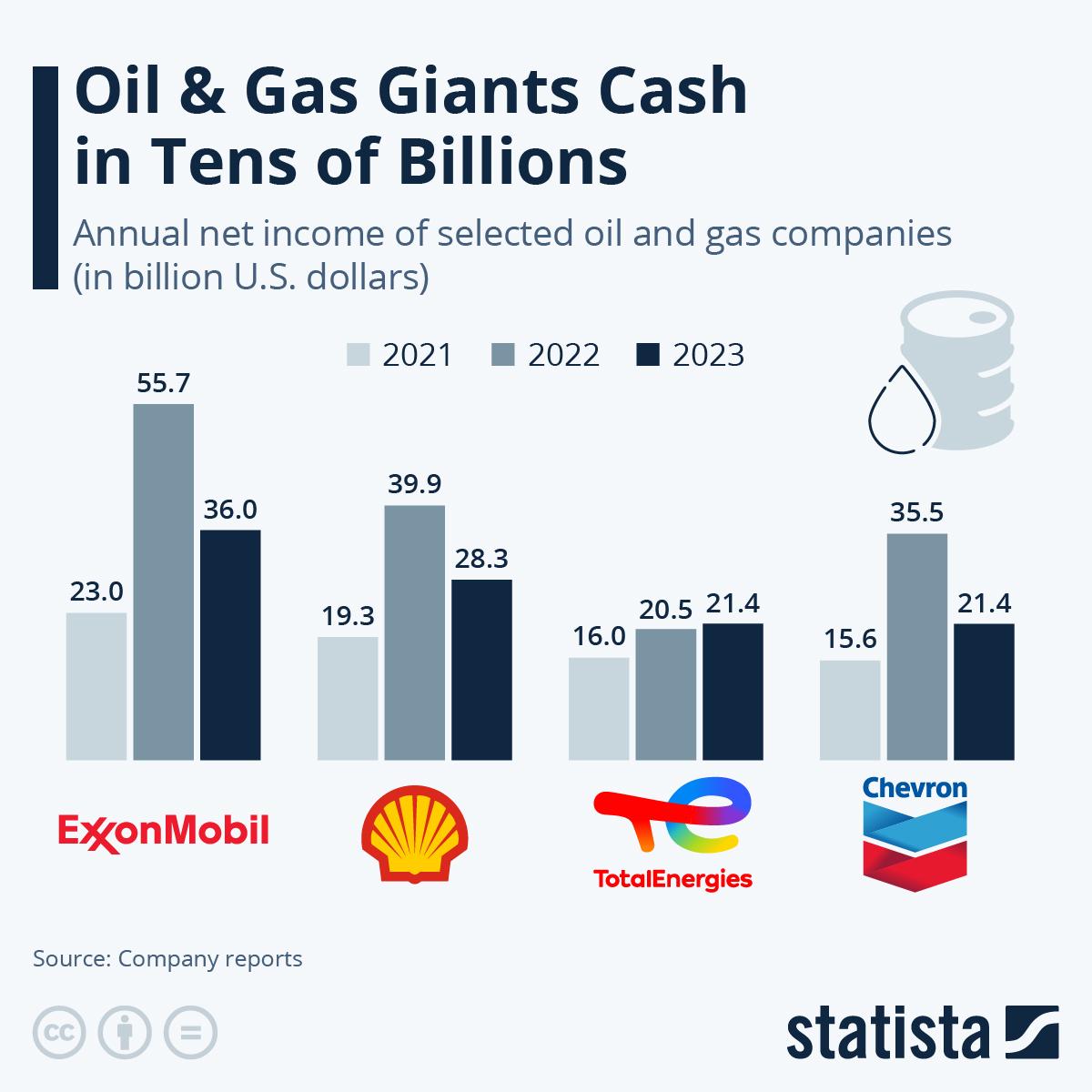
Chevron vaulted 11.4% before the opening bell, adding $22 billion in market value—enough to buy every man, woman, and child in Caracas a year of groceries. Schlumberger and Baker Hughes posted double-digit gains as traders priced in a potential 1-million-barrel-per-day swing within 18 months.
- WTI crude futures dropped 3%, shrugging off supply fears as algorithms bet on a flood of Venezuelan heavy.
- Refiners along the U.S. Gulf Coast—designed for the viscous stuff—rallied; Citgo parent PDV Holding bonds due 2034 leapt from 12¢ to 41¢ on the dollar.
- Environmental groups warned of a “carbon bomb,” planning protests at Texas refineries this weekend.
The Human Ledger
Outside the stock tickers, 7.7 million Venezuelans remain displaced. In Cumaná, fisherman Reinaldo Medina watched Exxon contractors inspect a rusted dock once used for PDVSA tankers. “They say jobs are coming,” he shrugs, “but we’ve heard that before.”
Washington insists any license will be contingent on transparent revenue management. A Treasury carve-out allows U.S. companies to operate for 90 days under existing sanctions, buying negotiators time to craft a permanent framework. European rivals—Shell, TotalEnergies, Eni—are circling, but American firms hold the advantage: storage caverns in Louisiana, specialized upgraders, and a fleet of very large crude carriers already idling offshore Curaçao.
What Happens Next
Three flashpoints loom:
- Congressional Approval: A bipartisan group in the U.S. Senate wants 30% of proceeds diverted to humanitarian aid, a move oil-state lawmakers call a “hidden tax.”
- China & Russia: Beijing holds $60 billion in Caracas debt collateralized by future oil; Moscow’s Rosneft still claims stakes in five Venezuelan fields. Both capitals are demanding seat-time at any renegotiation.
- The Climate Clock: Global accords require net-zero trajectories; Venezuela’s extra-heavy crude emits up to 40% more per barrel. Some investors already price stranded-asset risk into valuations.
The Storyteller’s Footnote
History teaches that oil shocks birth both fortune and fury. When the first gusher blew at Spindletop in 1901, gamblers danced in Beaumont’s muddy streets; within a decade, Texas crude undercut whale oil and rewrote geopolitics. A century later, Venezuela’s collapse denied Americans cheap gasoline at the pump. Now, a single signature on a transitional charter could refill those pumps—and refill the coffers of the same companies once banished by chavismo.
Whether the windfall trickles down to the fishermen of Cumaná or stays locked in quarterly earnings calls will write the next chapter of this tale. Until then, the wells of fortune are open again, and the storytellers keep counting barrels.