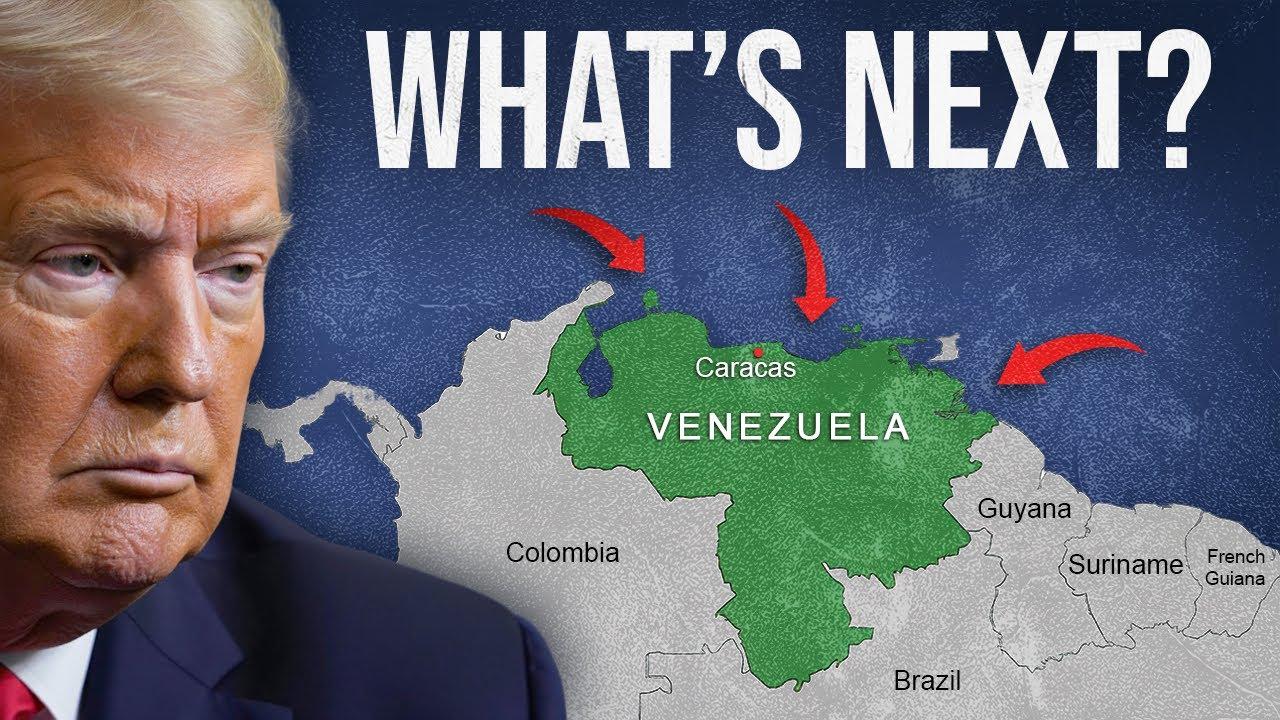
US Seizes Caracas: Maduro Captured, Trump Vows to Run Venezuela
U.S. forces storm Caracas, capture Maduro and his wife, as Trump announces American administration will run Venezuela and revive its oil sector.
Shockwaves Across Latin America
CARACAS—Night turned to daylight over the capital as Tomahawk missiles slammed into Miraflores Palace just after 02:15 local time. Within minutes, Delta Force operatives fast-roped onto the roof, breaching the reinforced corridor that once shielded Nicolás Maduro. By dawn, the embattled president and his wife, Cilia Flores, were aboard a C-17 bound for an undisclosed U.S. facility.
‘We’re Taking Over,’ Trump Declares
Speaking from the Oval Office, former President Donald Trump—flanked by oil-industry executives—said Washington will “run Venezuela until the infrastructure is fixed.” The remark, broadcast globally, triggered emergency U.N. sessions and mass protests outside every U.S. embassy in South America.
“This is not regime change; this is receivership,” Trump insisted. “American workers will get those rigs pumping again.”
Key Developments
- Maduro captured alive; extradition hearings expected at The Hague.
- Interim U.S. administrator appointed to PDVSA, Venezuela’s state-oil giant.
- China and Russia condemn “armed intervention,” vow counter-sanctions.
- Caracas streets calm but tense; opposition leaders call for “peaceful transition.”
What Happens to the Oil?
Analysts estimate Venezuela holds 300 billion barrels of proven reserves—largest in the world. Trump’s team argues direct U.S. oversight could double output within 18 months, slashing global crude prices. Critics warn of a prolonged occupation and guerrilla backlash reminiscent of 2003 Iraq.
Global Reaction
European Union foreign ministers demanded an immediate withdrawal; Brazil sealed its northern border; Mexico recalled its ambassador. Oil futures spiked 11 % before settling 4 % higher as traders priced in geopolitical risk.
Humanitarian Fears
NGOs caution that military operations have already disrupted supply chains. Caracas hospitals report dwindling medical stocks, and the World Food Program suspended convoys after a warehouse near the airport was destroyed in the initial bombardment.