Trump’s ‘Ready to Fall’ Claim Jolts Havana: Inside the Latest US-Cuba Flashpoint
Trump’s claim that Cuba is ‘ready to fall’ ignites fresh tensions, stirring memories—and fears—on both sides of the Florida Straits.
The Sound of Old Tensions Crank Back to Life
Just after sunrise on the Malecón, fisherman Reinaldo Herrera cast his line and listened to the transistor radio wedged between two rust-colored rocks. Donald Trump’s voice crackled through the static: “Cuba looks ready to fall.”
Within minutes, the phrase was ricocheting across WhatsApp chats, state television crawls, and the back-alley Wi-Fi hotspots that keep Havana’s rumor mill alive. By noon, posters of revolutionary slogans had been re-hung outside neighborhood CDR (Committee for the Defense of the Revolution) offices—an echo of past flashpoints.
What Exactly Did Trump Say?
“Cuba looks ready to fall,” the former president told a rally crowd in Hialeah, Florida, on Monday night. “And when it does, freedom-loving people better be prepared to help pick up the pieces.”
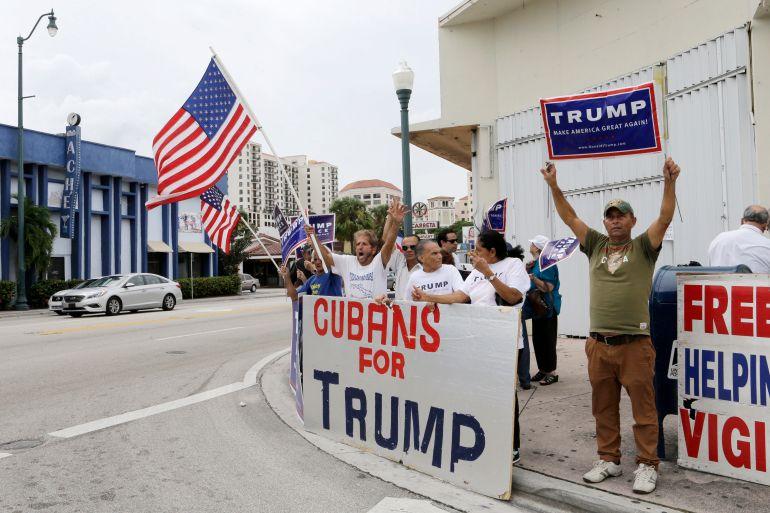
The comment drew thunderous applause from Cuban-American voters, but in Havana, officials saw a provocation. Foreign Minister Bruno Rodríguez fired back on X (formerly Twitter): “The only thing falling is the U.S. empire’s credibility.”
Why Now?
- Florida’s Electoral Math: Trump is courting the state’s 1.5 million Cuban-American voters, a bloc that helped deliver Florida to Republicans in 2020.
- Island-Wide Blackouts: A summer of power outages and food shortages has emboldened opposition voices on the island.
- Migration Surge: U.S. Border Patrol data show a 300% year-over-year spike in Cuban migrants apprehended at the southwest border.
From Rhetoric to Reality
Trump’s remarks come days after the U.S. Treasury tightened sanctions on Cuban state-run companies and just weeks before the U.N. General Assembly vote—an annual ritual where the world overwhelmingly condemns the six-decade U.S. embargo.
Analysts warn the former president’s language risks inflaming an already volatile situation. “When you frame collapse as inevitable, you give hardliners in Havana a pretext to crack down,” says Arturo López-Levy, a former Cuban intelligence analyst now lecturing at the University of Texas.
Voices on the Street
Inside a state-run cafeteria off Parque Central, 28-year-old Yasniel González scrolled through Trump clips on his cracked Huawei. “We don’t need speeches,” he muttered. “We need milk for our kids.”
Across the Florida Straits, María Elena Pérez, 67, watched the same footage from her Westchester living room, eyes welling. “I left in ’94 on a raft,” she said. “Every time an American leader speaks strong, I feel we’re one inch closer to seeing my sister again.”
What Comes Next?
State Department officials, speaking on background, told our correspondent no immediate policy shift is planned, but acknowledged “we are monitoring for internal unrest.”
Meanwhile, Cuban state media have begun airing archival footage of the 1961 Bay of Pigs invasion—an unsubtle reminder of past U.S. attempts at regime change.
Back on the Malecón, Herrera reeled in an empty hook. “We’ve heard this story before,” he shrugged. “The fish don’t care about slogans.”