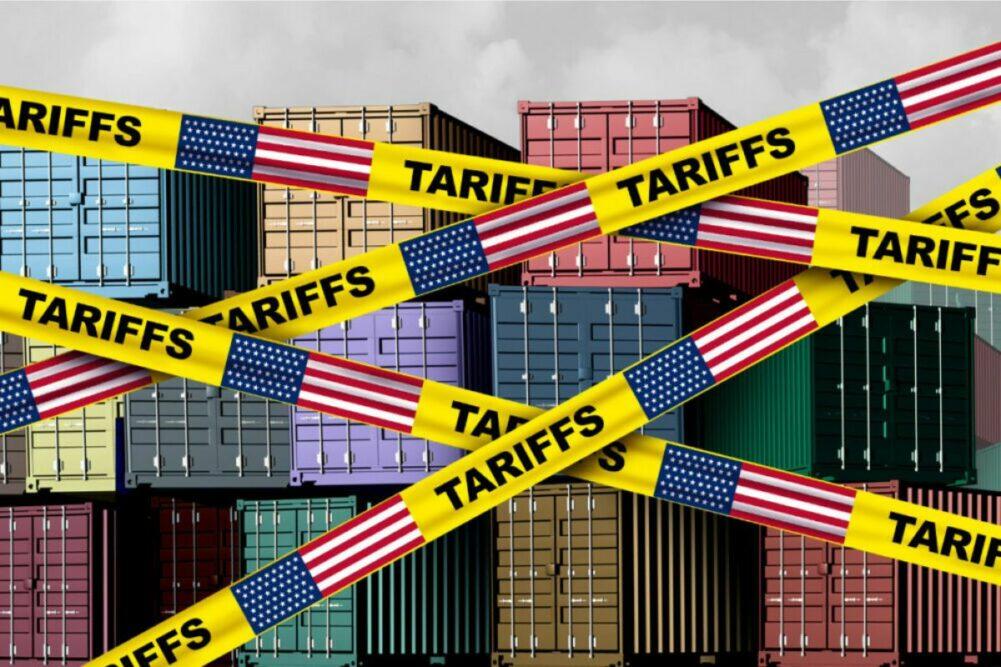
Trump's Greenland Gambit: A Game of Tariffs and Territory
Trump's 10% tariff on 8 European countries until a deal is made to buy Greenland has sent shockwaves around the world. But what's behind this move, and what does it mean for the future of global trade?
Imagine waking up to the news that the President of the United States has just imposed a 10% tariff on eight European countries, all in the name of buying a gigantic island from a NATO ally. Sounds like a scene from a Hollywood script, right? But this is no movie – this is real life, and the stakes are higher than ever.
What's Behind the Tariffs?
At first glance, it seems like a baffling move, even by Trump's unconventional standards. But scratch beneath the surface, and you'll find that this is more than just a quirky diplomatic spat. It's about power, leverage, and the future of global trade.
The Greenland Connection
For those who might have missed it, Trump's interest in buying Greenland is rooted in a combination of strategic and economic ambitions. The island, an autonomous territory within the Kingdom of Denmark, boasts an abundance of natural resources, including rare earth minerals, uranium, and potential offshore oil reserves. But it's not just about the resources; it's also about the geopolitical implications of owning a massive chunk of the Arctic.
Expert Insights
According to Dr. Maria Rodriguez, a leading expert on international trade and diplomacy, 'This move by Trump is a calculated attempt to assert American dominance on the world stage. By slapping tariffs on European countries, he's sending a clear message that the US is willing to play hardball to get what it wants.'
'The EU needs to understand that they can't just sit back and expect the US to follow the rules while they do whatever they please,' says Rodriguez. 'This is a wake-up call for European leaders, and they need to take it seriously.'
The Economic Fallout
So, what does this mean for the global economy? The short answer is that it's too early to tell, but the signs aren't looking good. The tariffs are likely to have a ripple effect, impacting industries from agriculture to manufacturing.
- The EU could retaliates with its own set of tariffs, sparking a full-blown trade war.
- Investors may start to get nervous, leading to a decline in stock markets and a decrease in consumer confidence.
- The already-fragile global economy could be pushed to the brink, with far-reaching consequences for businesses and individuals alike.
A Delicate Balance
As the situation continues to unfold, one thing is clear: the world is watching, and the stakes are higher than ever. The EU, in particular, is walking a tightrope, trying to balance its commitment to free trade with the need to protect its own interests.
Will they find a way to navigate this complex web of diplomacy and economics, or will the situation spiral out of control? Only time will tell.
Why This Shifts the Global Paradigm
This is more than just a tariffs dispute – it's a fundamental shift in the way the world does business. The old rules no longer apply, and the new ones are still being written. As we move forward, one thing is certain: the world will be watching, and the consequences of our actions will be felt for generations to come.