Toxic Tipping Point: The EPA's Dicamba Decision
The EPA's approval of dicamba on genetically modified crops sparks controversy and raises questions about the balance between agricultural efficiency and environmental protection.
Imagine a world where the very crops meant to sustain us become a threat to our environment and health. This isn't a dystopian fantasy but a reality we're facing with the EPA's approval of the herbicide dicamba on genetically modified crops. The decision has sparked outrage and concern among environmental groups, farmers, and consumers alike, leaving many to wonder if the pursuit of agricultural efficiency has come at too great a cost.
What's at Stake: The Dicamba Dilemma
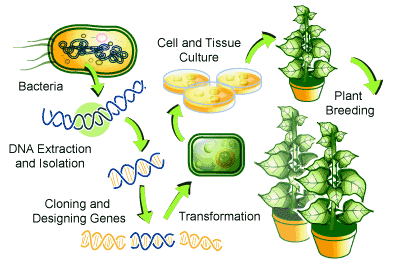
The use of dicamba on genetically modified soybeans and cotton has been touted as a solution to the growing problem of weed resistance. However, its application comes with significant risks. Dicamba has been known to drift onto neighboring fields, causing damage to non-resistant crops and potentially harming other plants and wildlife. This isn't just an environmental issue; it also pits farmer against farmer, as those who choose not to use genetically modified crops may see their livelihoods threatened by dicamba's drift.
Expert Insights: Weighing the Consequences
"The approval of dicamba without stringent regulations is a step backward for environmental protection and sustainable agriculture," said Dr. Maria Rodriguez, an environmental scientist. "It's not just about the economic interests of farmers but about the health of our ecosystems and the people who depend on them."
The Science Behind Dicamba
Dicamba is a broad-spectrum herbicide that works by mimicking plant hormones, causing targeted plants to grow in abnormal ways, eventually leading to their death. When used on genetically modified crops designed to be dicamba-resistant, it offers an effective way to control weeds that have become resistant to other herbicides. However, the science also shows that dicamba can volatilize and drift, affecting non-target areas.
Data and Trends: Understanding the Impact
Studies have shown that the use of dicamba can lead to significant crop loss for farmers who do not plant dicamba-resistant seeds. In 2017, thousands of acres of non-resistant soybeans were damaged due to dicamba drift, highlighting the need for strict application guidelines and buffer zones to protect vulnerable crops.
Why This Shifts the Global Paradigm
The EPA's decision to approve dicamba reflects a broader trend in agricultural policy, prioritizing efficiency and yield over environmental and health concerns. As the world grapples with feeding a growing population sustainably, the dicamba debate underscores the challenges of balancing technological advancement with ecological responsibility.
A Call to Action: Reflecting on Our Values
"The dicamba controversy should prompt us to ask deeper questions about our food system and what we value as a society," noted Tom Bradley, a sustainable farming advocate. "Do we prioritize short-term gains in crop yield, or do we invest in a future where agriculture and nature coexist in harmony?"
Key Considerations Moving Forward
The implications of dicamba's approval extend far beyond the fields where it's applied. It challenges us to reconsider our relationship with the natural world and the impact of our agricultural practices on ecosystems and human health. As we move forward, it's crucial to engage in a nuanced discussion about the role of technology in agriculture and the importance of adopting sustainable practices that prioritize both productivity and environmental stewardship.
The Path Ahead: Challenges and Opportunities
While the approval of dicamba might seem like a setback for environmental advocates, it also presents an opportunity for dialogue and change. By highlighting the risks associated with dicamba and other broad-spectrum herbicides, we can push for more stringent regulations and support the development of sustainable agricultural practices that minimize harm to the environment.
The future of farming isn't just about seeds and soils; it's about people and the planet. As we stand at this crossroads, we must consider the kind of world we want to build. Will we choose a path that prioritizes profit over preservation, or will we strive for a balance that allows us to thrive without sacrificing the beauty and bounty of nature? The answer to this question will define not just our agricultural practices but the kind of society we wish to be.