The Yemen Powder Keg: How a Border Spark Could Ignite a Regional War
Saudi Arabia and Iran’s latest showdown along Yemen’s border risks turning a proxy war into a direct confrontation, with civilians caught in the middle.
The Night the Border Burned
At 02:14 on a moonless Thursday, the first mortar round arced out of the darkness and slammed into the Saudi frontier post. Within seconds, the sky above Jazan Province strobed with tracer fire—red and green streaks that looked, to war-weary locals, like a macabre national day parade.
‘We felt the windows shake five kilometres away,’ said Abu Faisal, a date-farmer who has seen three wars in forty years. ‘This time the sound was different—heavier, angrier.’
By dawn, Saudi Arabia’s state news agency had released a terse statement: ‘Hostile elements inside Yemen fired projectiles at civilian areas; our forces responded with precision strikes.’ Within hours, retaliatory air raids pounded Saada governorate, the Houthis’ northern stronghold. The cycle—attack, counter-attack, bellicose rhetoric—was textbook. But the speed and scale rattled even seasoned diplomats.
Two Giants, One Playground
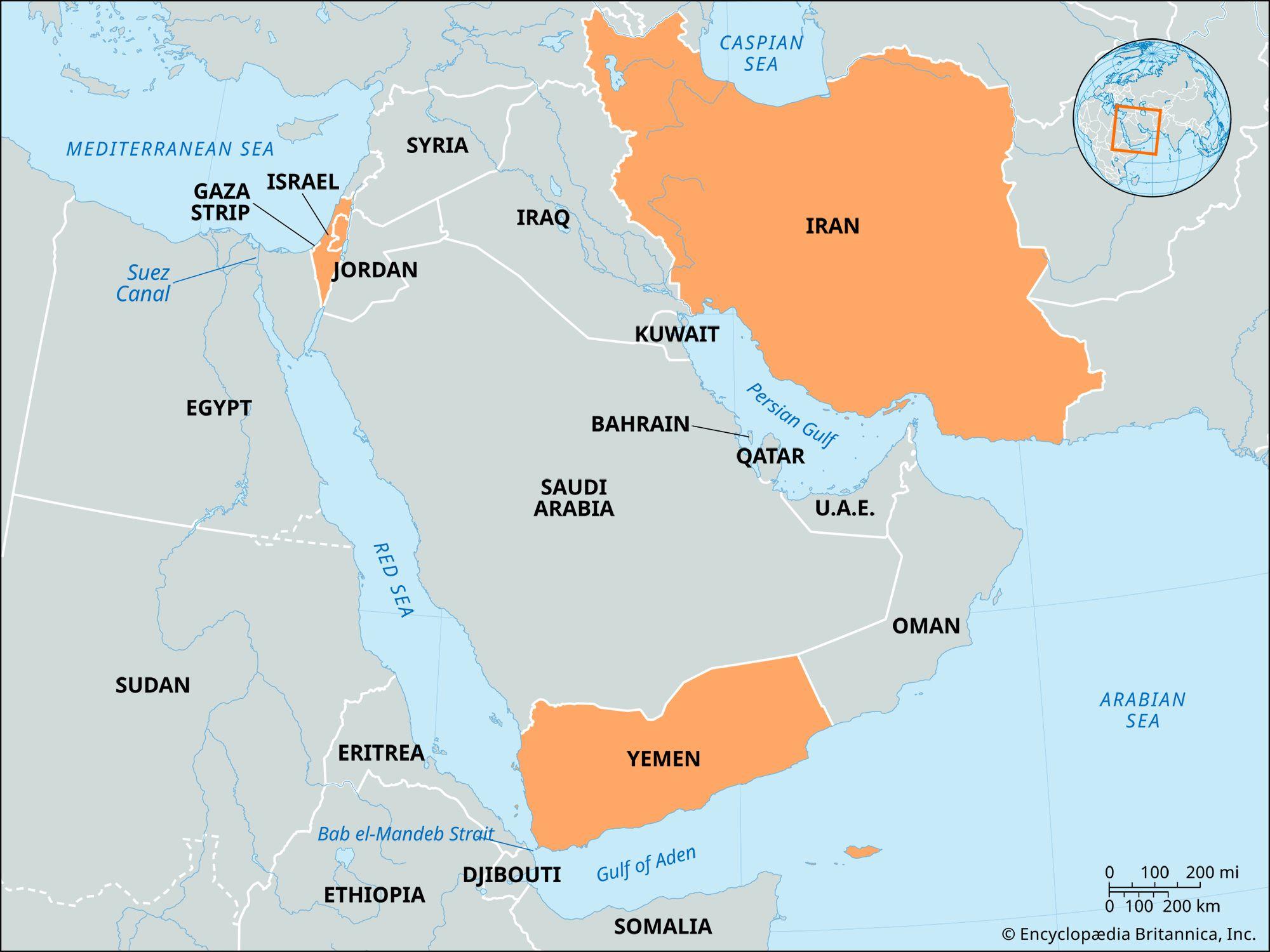
Yemen has long been the chessboard on which regional heavyweights settle scores. On one side, Saudi Arabia leads a Sunni coalition armed with U.S.-made jets and Patriot batteries. On the other, Iran backs the Houthi movement, supplying drones and—Western intelligence insists—missile components smuggled in fishing dhows across the Red Sea.
Neither side can afford to lose. For Riyadh, a Houthi victory on its doorstep would embolden Tehran and expose the Kingdom’s southern underbelly. For Tehran, Yemen is the cheapest pressure valve on Saudi oil routes and a front-row seat to the world’s busiest shipping lane.
Border Towns Brace for the Worst
In the dusty market of Al-Khoukha, 20 km north of the frontline, shopkeeper Samira al-Amari says customers buy rice and lentils ‘by the sack, not the kilo’. Prices have jumped 30 % since the latest clashes began. Fuel queues snake around corners; hospitals report a run on trauma kits.
‘We’ve memorised the safest corner of every room,’ Samira shrugs, arranging bruised tomatoes. ‘My daughter draws missiles instead of flowers now.’
Diplomatic Windows Slam Shut
UN envoy Hans Grundberg left Sana’a last week empty-handed after the Houthis refused to extend a six-month truce unless civil-servant salaries—frozen since 2016—were paid from oil revenues. Meanwhile, Saudi Arabia’s foreign minister flew to Washington seeking fresh interceptors for its Patriot systems. The Biden administration, distracted by Ukraine and Taiwan, signed off quietly, congressional aides say.
What the Generals Won’t Say on TV
- Intelligence satellites show a new Houthi drone base inside the volcanic caves of Jabal al-Maswar, range 1,400 km—enough to hit Dubai.
- Riyadh has moved two battalions of M1A2 tanks to Jazan, an escalation from its usual border-guard strategy.
- Commercial ships in the Bab al-Mandeb strait have been warned of possible ‘loitering munitions’—naval drones packed with explosives.
The Human Equation
Back in Jazan, Abu Faisal replants saplings uprooted by last week’s blast. ‘Trees take twenty years to fruit,’ he sighs. ‘Wars take twenty seconds to uproot everything.’ Yet he remains stubbornly hopeful: ‘Every time we rebuild, we remind them we are still here.’
Whether the region’s capitals heed that quiet resilience is another matter. For now, the mortar tubes are cooling, the jets have returned to base, and the world’s attention scrolls on. But the powder keg sits where it always has—on the rugged spine of Yemen, waiting for the next spark.