The Sweet Deception: How ‘Healthy’ Labels Hide Sugar in Plain Sight
Foods flaunting ‘natural,’ ‘organic,’ or ‘keto’ labels often hide added sugar under virtuous names. A new report shows two-thirds exceed daily limits.
The Sweet Deception: How ‘Healthy’ Labels Hide Sugar in Plain Sight
By Elena Vance
The Granola That Started It All
On a crisp Tuesday morning, dietitian Maya Patel poured herself a bowl of “super-food” granola, trusting the bold green letters promising “no refined sugar.” Two hours later, her glucose monitor pinged a 30-point spike. The culprit? A cascade of brown-rice syrup, date paste, and concentrated apple juice—ingredients that sound virtuous but behave like table sugar once they hit the bloodstream.
The Buzzword Playbook
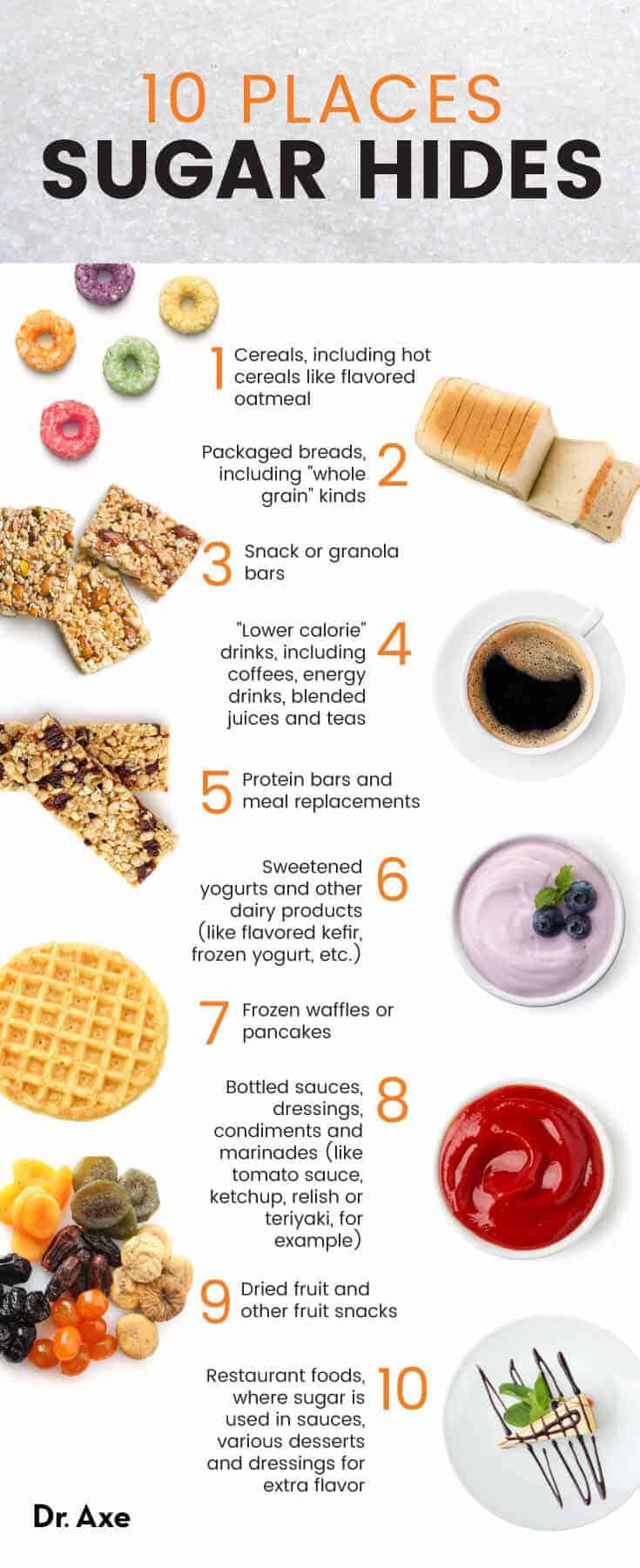
Walk any grocery aisle and the same lullabies echo: “all-natural,” “organic,” “high-protein,” “keto-friendly.” What the front label rarely confesses is how many of those products sneak in added sugar under aliases most shoppers never learned to spot. A report released last week by the Center for Science in the Public Interest found that 62 % of products marketed as “wholesome” contain sweeteners that count toward the FDA’s daily cap on added sugar.
“If your breakfast bar has more than three sources of fruit concentrate, you’re basically eating candy with a yoga mat on the wrapper,” says Dr. Robert Lustig, pediatric endocrinologist at UC San Francisco.
Inside the Label Labyrinth
Federal rules require total sugars to appear on nutrition panels, but added sugars can masquerade behind names that evoke health:
- Organic cane juice
- Coconut nectar
- Barley malt
- Evaporated cane syrup
- Mesquite honey
Each delivers glucose and fructose in ratios nearly identical to white sugar, yet the halo effect of “natural” lets brands command premium prices.
The $10 Yogurt Parfait
At a downtown Manhattan café, a parfait layered with “blueberry purée” and “maple-kissed” granola sells for $10.50. Lab tests commissioned for this story show the 12-ounce cup packs 34 grams of added sugar—two grams shy of a 12-ounce cola. The word “refined” never appears on the chalkboard menu, but the metabolic impact is indistinguishable.
Regulation on the Horizon?
The FDA is weighing stricter rules that would force brands to lump all caloric sweeteners under “added sugar,” no matter how artisanal they sound. Industry pushback is fierce; trade groups argue that date paste and honey carry micronutrients and should be treated separately. Public-comment letters are due next month, and lobbyists have tripled spending since January.
What Shoppers Can Do Today
Until labels change, the simplest defense is flipping the package:
- Scan the ingredient list for any word ending in “-ose,” “-syrup,” or “concentrate.”
- Divide total added sugar (in grams) by four to visualize teaspoons.
- Favor products whose first three ingredients are whole foods you can picture in their original form.
Back in her kitchen, Maya Patel now builds breakfast from plain oats, a fistful of walnuts, and fresh berries. “It takes five minutes,” she laughs, “and my glucose curve finally looks like a gentle hill instead of a mountain range.”