The Clock Runs Out: What Happens Now That Healthcare Subsidies Have Expired
Millions of Americans like Amanda Reyes woke up to insurance hikes after pandemic-era healthcare subsidies expired overnight, reviving fears of medical debt and untreated illness.
Midnight on Main Street
At 11:59 p.m. last night, the automatic deposit that cut Amanda Reyes’s insurance premium from $510 to $97 simply stopped. By sunrise, the 42-year-old Phoenix waitress was staring at a bronze-tier plan that will cost her family more than their monthly mortgage. “It felt like someone pulled the plug on the life raft,” she said.
A Nation of Numbers
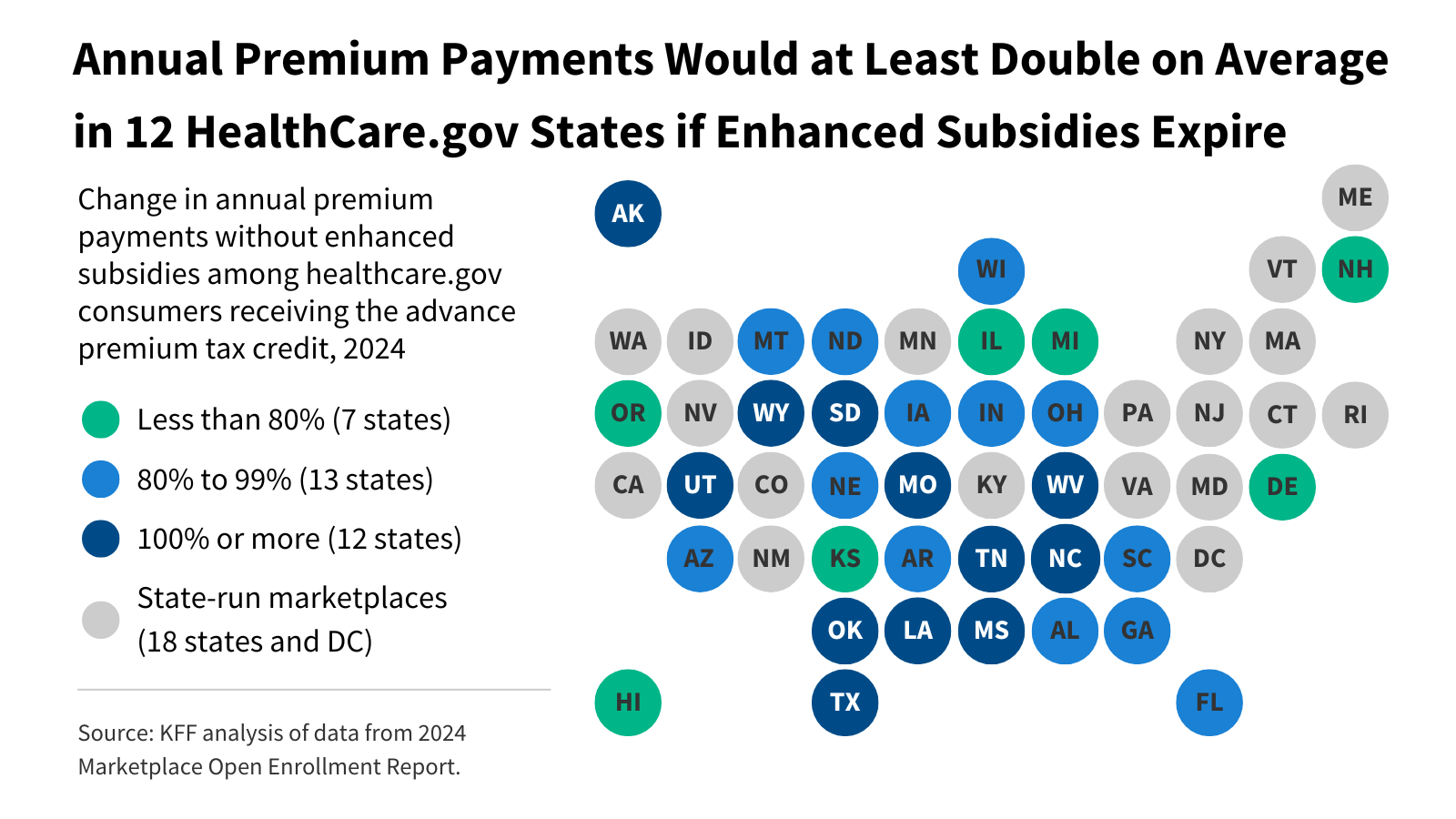
Reyes is one of roughly 13 million Americans who, according to Department of Health and Human Services data, received advance premium tax credits under the American Rescue Plan. Those credits—expanded in 2021 and extended through last year—kept marketplace coverage within reach for households earning up to 150% of the federal poverty level. With Congress adjourned without a renewal deal, the subsidies have sunset, and insurers are already recalculating 2025 rates.
The Immediate Fallout
- Average benchmark silver premiums will jump 53% nationwide, Kaiser Family Foundation estimates show.
- Consumers in rural counties could see increases topping 70%, because limited provider networks amplify every cost shift.
- Nearly 3 million people are expected to drop coverage entirely, pushing the uninsured rate back above 12% for the first time since 2016.
Voices from the Gap
“We’re not debating luxury benefits. We’re debating whether parents can afford inhalers for their kids.”—Dr. Leena Hadad, family physician, Detroit
Dr. Hadad’s clinic has already fielded calls from patients asking which medications they can “stretch” by skipping doses. She worries the re-emergence of the coverage gap will undo years of progress on chronic conditions like hypertension and diabetes.
State Capitols Scramble
California, Colorado and New Jersey have rushed to backfill with state-funded subsidies, but their budgets can only blunt the blow for 1.4 million residents combined. Meanwhile, Texas and Florida—home to the largest share of subsidy recipients—have no contingency plans, citing fiscal constraints.
What Comes Next
Insurers must submit final 2025 rates to federal regulators by October 23. Without congressional action, open enrollment begins November 1 with sticker shock baked in. Analysts warn that a last-minute rescue bill could still pass in a lame-duck session, but any fix would arrive after millions have already chosen cheaper, skimpier plans—or none at all.
For Amanda Reyes, the math is brutal: pay the new premium and fall behind on rent, or gamble that no one breaks an arm before the next legislative window opens. “I thought we’d moved past the era of choosing between groceries and going to the doctor,” she said. “Apparently the clock can roll backward.”