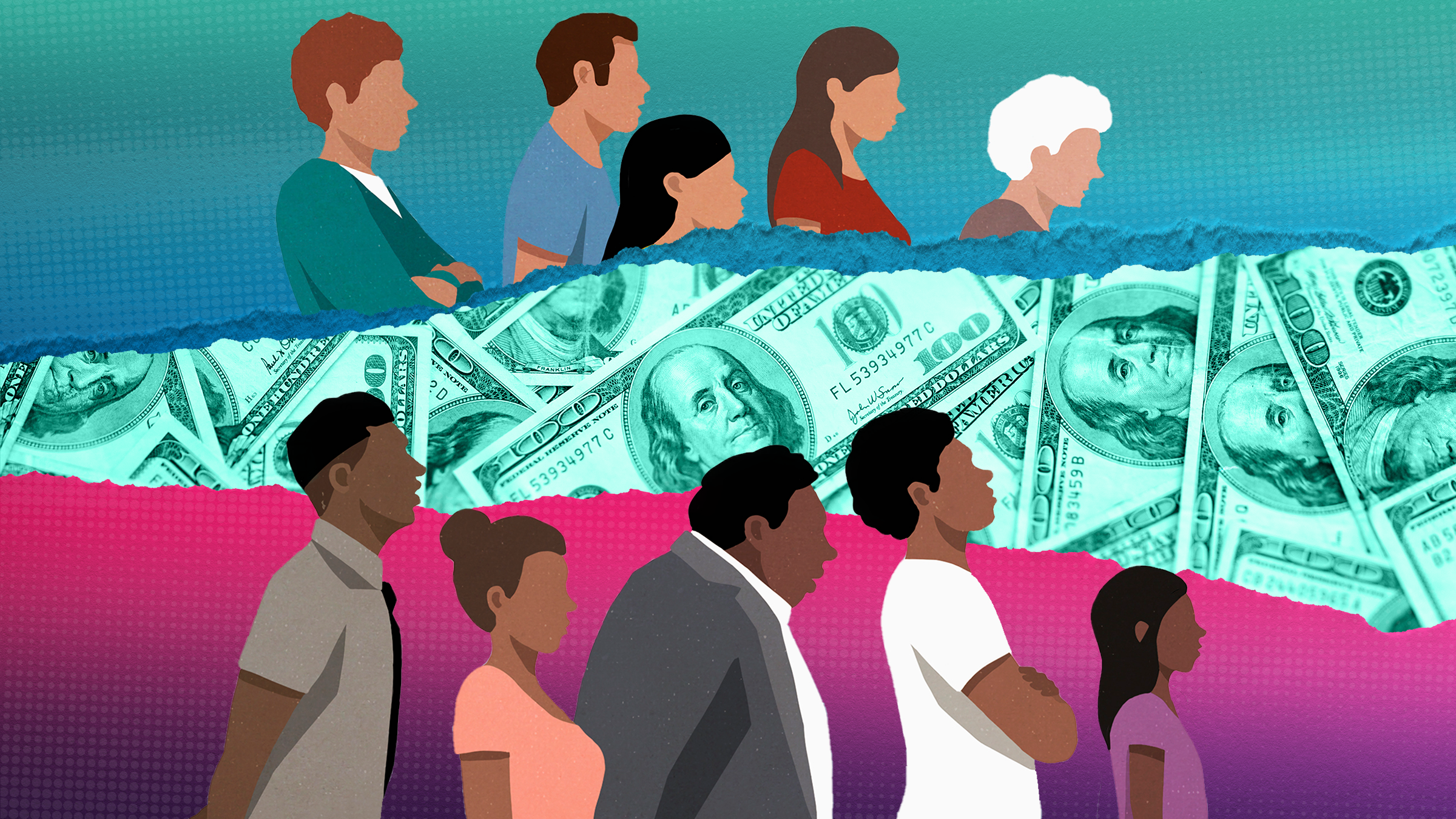
The Billionaire's Burden: Can Taxing the Ultrarich Save California and the World?
The ultrarich are under the microscope as governments consider taxing them to address poverty and inequality. But will it work?
Imagine a world where the wealthiest individuals control more resources than entire nations, sparking fierce debates about economic equality and the role of taxation in bridging the gap. The concept of taxing the ultrarich has been a contentious issue in California and globally, with proponents arguing it could address poverty and inequality, and opponents claiming it would stifle innovation and economic growth.
Why the Ultrarich Are Under the Microscope
The call to tax the ultrarich gained momentum following the COVID-19 pandemic, which exacerbated existing economic disparities. As governments around the world scrambled to fund relief efforts and stimulus packages, the spotlight turned to the billionaires who saw their fortunes skyrocket during the crisis.
"The pandemic has laid bare the stark inequalities in our society, and it's time for those who have benefited the most to contribute their fair share," said Dr. Rachel Kim, an economist at the University of California, Berkeley.
The California Conundrum
California, home to Silicon Valley and a significant portion of the world's billionaires, has been at the forefront of this debate. Proposed legislation aims to impose a wealth tax on individuals with net worth exceeding $50 million, which could generate billions of dollars in revenue for the state.
However, critics argue that such a tax would drive away top talent and businesses, ultimately harming the state's economy.
"California is already one of the most expensive places to live and do business in the United States. Adding a wealth tax would be the final straw for many entrepreneurs and investors," warned tech mogul, Mark Hastings.
Data Context: The Wealth Gap
A recent report by the Economic Policy Institute found that the top 1% of earners in the United States now hold more than 40% of the country's wealth, while the bottom 90% hold just 27%. This stark contrast has led many to question whether the current tax system is equitable and effective in addressing income inequality.
Global Implications and Proposals
The debate over taxing the ultrarich extends far beyond California, with countries like France, Spain, and the United Kingdom considering similar measures. The Organisation for Economic Co-operation and Development (OECD) has also weighed in, proposing a global minimum corporate tax rate to prevent multinational corporations from exploiting tax havens.
Oxford University economist, Professor Liam Chen, noted,
"A global wealth tax could be a game-changer in reducing inequality and generating revenue for social programs. However, it would require international cooperation and a willingness to challenge the status quo."
Expert Insights: The Human Impact
As the world grapples with the moral and economic implications of taxing the ultrarich, it's essential to consider the human impact.
"For many people, the idea of taxing the ultrarich is not just about economics; it's about fairness and justice," said Reverend Jennifer Smith, a community leader in Los Angeles. "We need to ask ourselves, what kind of society do we want to build, and who should bear the burden of creating a more equitable world?"
Why This Shifts the Global Paradigm
The conversation around taxing the ultrarich represents a broader shift in how we think about wealth, power, and responsibility. As governments and citizens alike, we're being forced to confront the consequences of unchecked capitalism and the concentration of wealth among a tiny elite.
In the end, the question of whether to tax the ultrarich is not just about economics; it's about the kind of world we want to create. Will we continue to prioritize the interests of the wealthy and powerful, or will we choose a different path, one that values equality, justice, and the well-being of all people?
The Kicker: A New Era of Accountability
As we move forward, one thing is clear: the era of unchecked wealth and privilege is coming to an end. The ultrarich, and those who enable them, will be held accountable for their actions and their impact on society. The question is, what will this new era of accountability look like, and how will we ensure that the benefits of wealth and progress are shared by all?