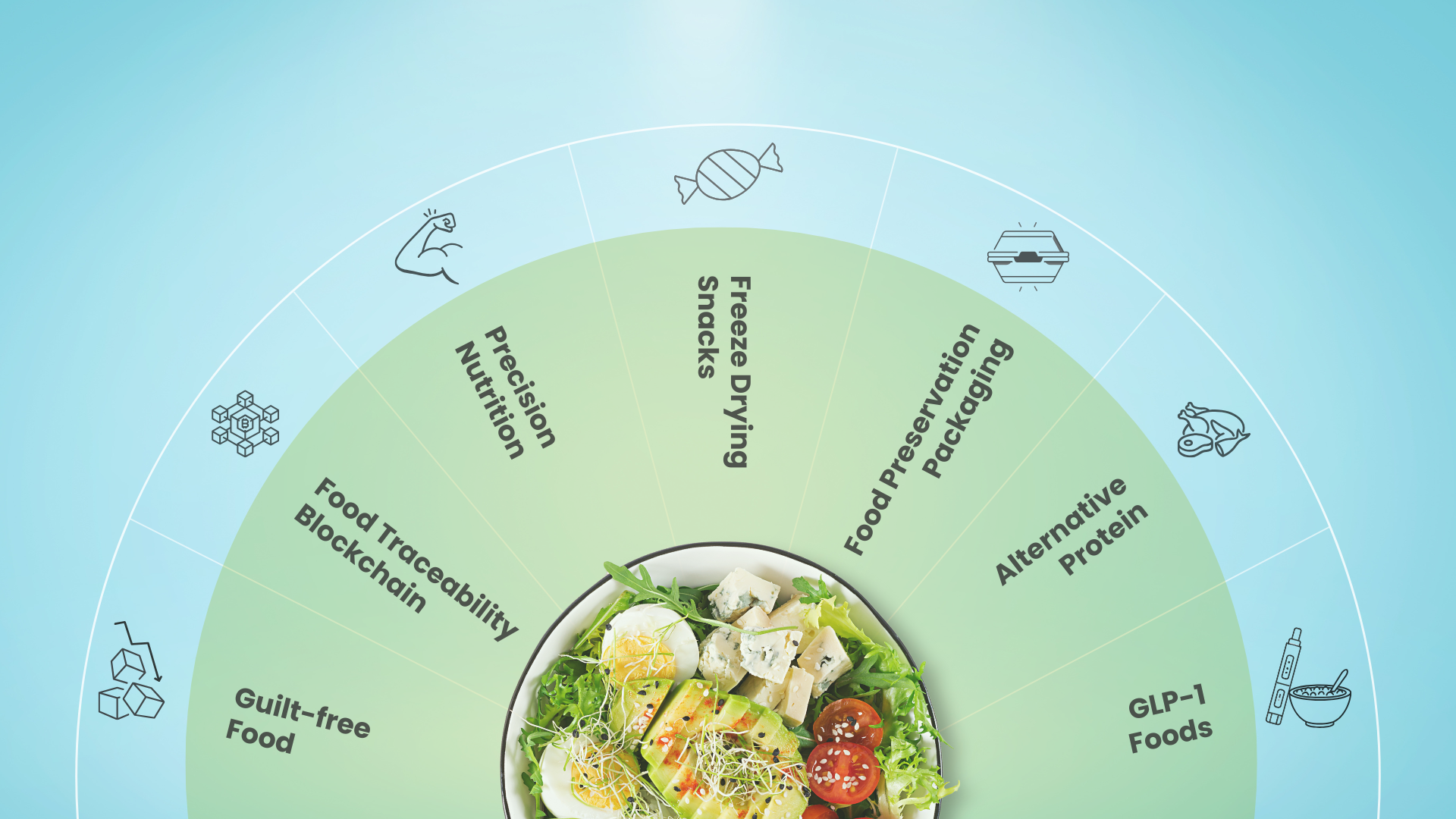
The 2026 Plate: Crunch, Caution, and the Comeback of the Corner Bistro
Crunch, caution, and community-owned kitchens will rule our plates by 2026 as food insiders predict a seismic shift toward hyper-local, texture-driven dining.
1. The Forecast Begins in a Quiet Kitchen
It’s 9:47 p.m. on a Tuesday, and the only sound inside Velma’s—a 24-seat tasting counter tucked into a former laundromat in Duluth, Minnesota—is the rhythmic snap of cabbage leaves hitting ice water. Chef Velma Vang isn’t plating tonight’s final course; she’s stress-testing 2026.
"I need to know if pickled kohlrabi will still crunch after 18 months on the shelf," she says, sliding a mason jar across the stainless-steel counter. The brine inside glows the color of traffic-cone orange—an intentional warning hue that will photograph well under harsh LED lights. "If it doesn’t survive the apocalypse, it doesn’t go on the menu."
2. The New Lexicon of Eating
Across the industry, lexicographers of flavor are scribbling the same three words into their moleskins: crunch, caution, community. According to the annual World Food Forecast—a 187-page dossier compiled by 42 analysts across 19 time zones—those terms will dominate grocery carts, restaurant reservations, and TikTok feeds by 2026.
- Crunch signals texture as therapy; consumers want foods that fight back.
- Caution translates to hyper-local sourcing, shorter supply chains, and “shelf-stable” rewritten as “panic-proof.”
- Community means the return of the neighborhood haunt: no private-equity backing, no ghost-kitchen camouflage, just a real person flipping the open sign.
The Numbers Behind the Bite
Data from NielsenIQ show searches for “local restaurants near me” have jumped 38 % since January, while national-chain queries flatlined. Meanwhile, Google Trends records a 210 % spike for “how to make food last 20 years”—a query that barely existed pre-2020.
3. Crunch as Coping Mechanism
Dr. Lila Moreau, a sensory psychologist at the University of California, Davis, explains the crunch craze in one sentence: "Mastication is mitigation." Her lab found that subjects who consumed crispy snacks reported 27 % lower stress markers than those given soft equivalents. The catch: the crunch must be audible to others. "It’s performative resilience," she adds. "We want the world to hear us coping."
Expect 2026 supermarket shelves to stock:
- Air-dried okra chips fortified with vitamin D
- Carbonated rice crisps that hiss like soda when opened
- “Sonic pickles”—cucumbers quick-brined in ultrasonic baths for extra snap
4. The Rise of the Nano-Bistro
Chains aren’t dying; they’re shrinking. The forecast identifies a new category—the nano-bistro—defined as any food business with fewer than 12 seats, no franchising agreements, and a menu that changes more often than the landlord’s paint.
"We’re going back to 1923," jokes Sean Adisa, who ditched a six-figure tech salary to open Loaf & Ladle in a 200-square-foot former shoe-shine stall in Detroit. "One hand rolls dough, one hand shakes every customer’s. That’s the whole business plan."
Adisa’s sourdough crackers—baked from a 12-year starter he carried through three airport security checkpoints—sell out in 11 minutes every Saturday. He refuses to scale. “If I can’t remember your kid’s name, I’ve grown too big.”
5. Panic-Proof Pantries
Remember the Great Yeast Shortage? Forecasters say 2026 shoppers will keep three-month stashes of heritage staples: lentils, rolled oats, honey, and—surprisingly—bouillon cubes. Sales of traditional bouillon have surged 52 % year-over-year; Gen Z buyers like the “low-waste, high-flavor” ratio.
Start-ups are responding with cube 2.0: dehydrated miso-coffee blocks, fermented chili-cocoa squares, and mushroom-truffle wafers that dissolve into instant ramen-grade luxury.
6. The Allergy Reckoning
One curveball in the report: sesame will overtake peanuts as the top allergen concern in the U.S. by 2026, driven by global recipes and seed-heavy snack foods. The FDA is already fast-tracking sesame labeling laws; restaurants are printing “sesame-safe” icons on menus next to gluten-free and vegan symbols.
7. What Happens to Delivery Apps?
They pivot from speed to survival. DoorDash and Uber Eats are beta-testing “disaster kits”—$70 boxes containing freeze-dried tikka masala, shelf-stable bao, and a handwritten note from a local chef. The twist: every kit funds a free meal for a neighbor vetted by the same chef. Early pilots in Charleston, SC, saw repeat-purchase rates of 68 %, unheard-of for emergency food.
8. The 2026 Plate, Visualized
Imagine a wooden board no wider than a paperback. At center: a single malt-vinegar meringue, shards of roasted kelp, and three cubes of beet jerky that look like ruby dice. You snap the jerky; the sound ricochets off exposed-brick walls. A stranger at the next table nods in solidarity. You don’t exchange numbers—you exchange pickles.
That, forecasters say, is the future of food: small, loud, local, and gone by closing time.