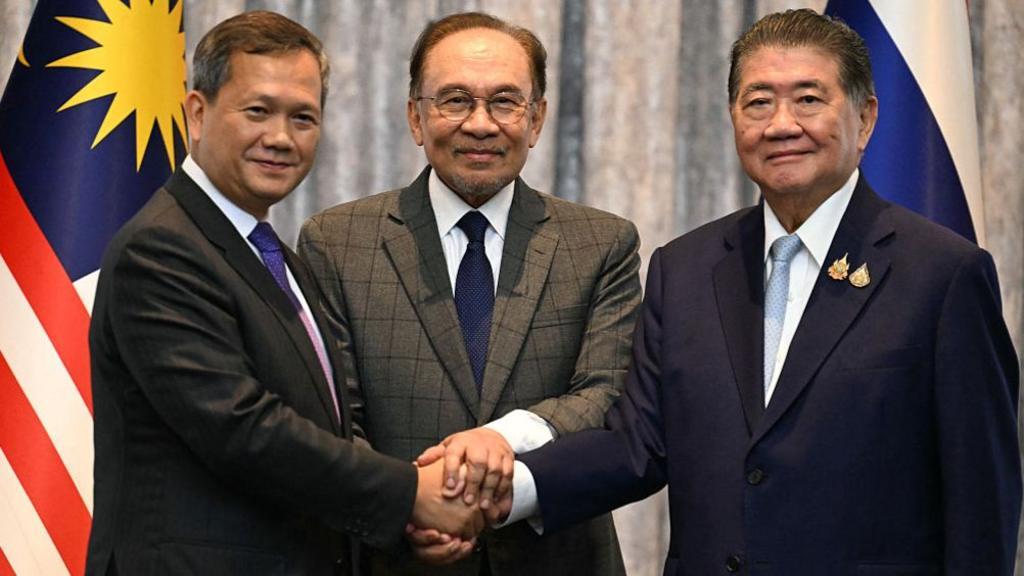
Thailand and Cambodia Ink Fragile Ceasefire After Months of Border Tensions
Thailand releases 18 Cambodian soldiers and signs a ceasefire after months of border clashes near the disputed Preah Vihear temple.
Border guns fall silent as Bangkok frees 18 Cambodian troops
ARANYAPRAThet, Thailand — The monsoon clouds had barely cleared when the first radio crackle came: both sides would hold fire. By dusk on Monday, Thai soldiers lowered their rifles and watched their Cambodian counterparts do the same across a pock-marked rice field that had traded mortars and mistrust since July.
Prisoners walk free, hopes rise
In a gesture that stunned even seasoned diplomats, Thailand released 18 Cambodian soldiers captured during a deadly border skirmish four months ago. The men, gaunt but smiling, crossed the temporary bamboo bridge at the Cham Sre checkpoint carrying plastic bags of clothes and letters from home. A Cambodian colonel waited on the far side with a simple order: "Welcome back. No revenge."
"We never thought we would see our families before the new year," said Private Sok Vannak, 22, clutching a photograph of his infant daughter. "Tonight, I will hold her for the first time."
Why the sudden thaw?
Behind the scenes, negotiators in Bangkok and Phnom Penh worked frantically after an artillery duel in October killed seven soldiers and displaced hundreds of villagers. Sources close to the talks tell of a late-night phone call between Thai Prime Minister Paetongtarn Shinawatra and Cambodian strongman Hun Manet, both eager to avoid a conflict that could derail foreign investment and tourism.
- Thailand agreed to suspend live-fire drills within five kilometres of the disputed Preah Vihear temple zone.
- Cambodia pledged to dismantle recently built bunkers overlooking the ancient cliff-top ruins.
- Both armies will allow unarmed ASEAN observers to monitor the 48-hour-old truce.
Villagers cautiously return
At Ban Phumsarol, less than three kilometres from the frontline, 61-year-old rice farmer Somchai Panomrod packed his cart with pots, blankets and two fighting cocks. He fled in July when Thai rockets whistled overhead; now he is coming home to a roof riddled with bullet holes and a field littered with shell casings.
"We have buried too many sons," Somchai said, eyes fixed on the horizon. "If the guns stay quiet for one harvest, maybe they will stay quiet for two."
But scepticism runs deep. Both countries claim the scrub-covered escarpment where the 11th-century Khmer temple sits, and nationalist passions flare with every headline. Analysts warn that without a permanent border demarcation, this ceasefire—like four others since 2008—could unravel with a single misread patrol.
What happens next?
Foreign ministers from Bangkok and Phnom Penh are scheduled to meet in Jakarta next week, hoping to turn the military truce into a formal peace accord. Meanwhile, Thai and Cambodian officers share sweet milk tea at a makeship tent on the frontier, trading jokes instead of tracer rounds.
For the first time in months, the night sky above Preah Vihear is dark and quiet—no flares, no thunder of guns. Whether the silence lasts will depend less on inked agreements than on farmers like Somchai and soldiers like Private Vannak, who now carry both hope and memory across the same blood-soaked soil.