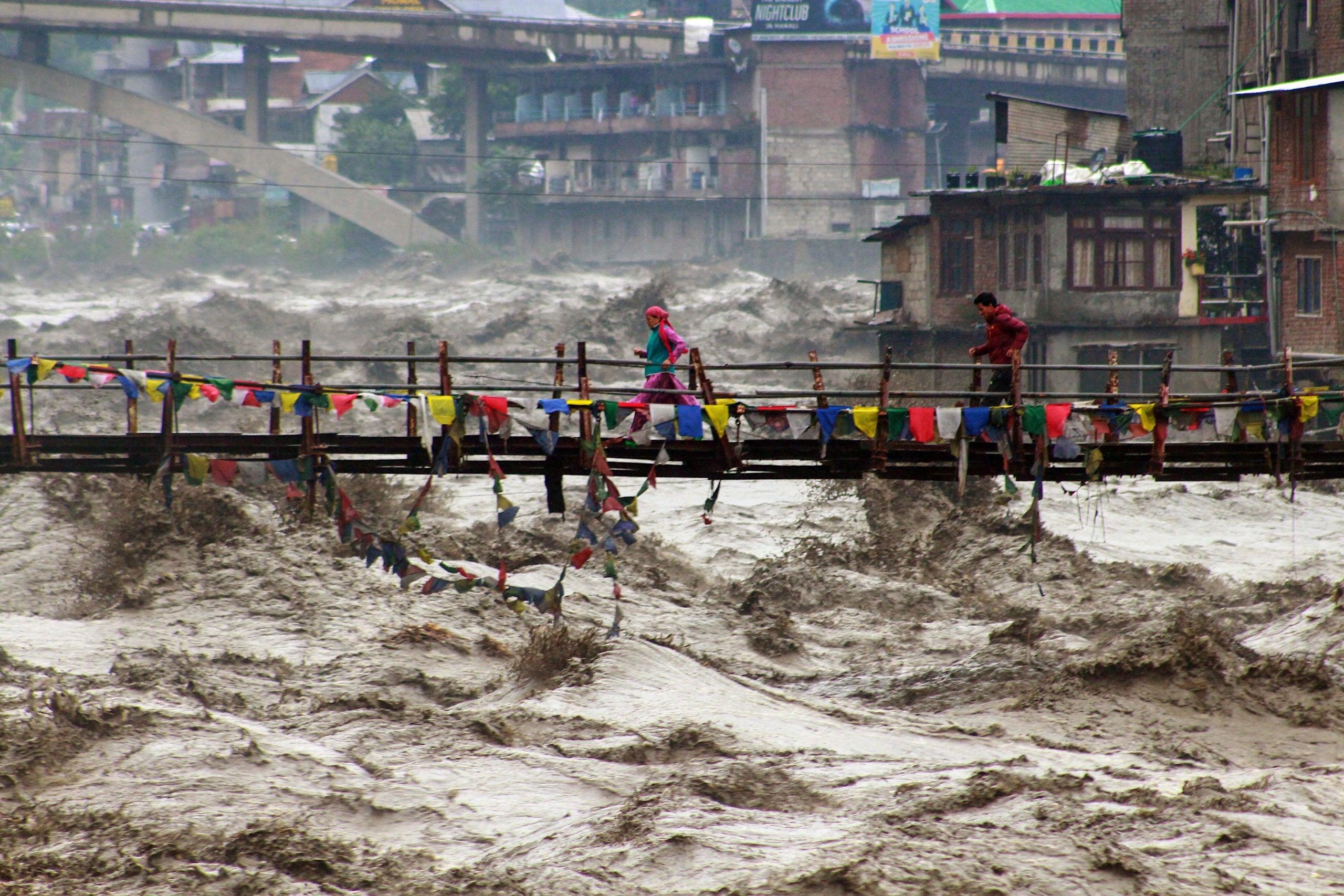
South Africa Floods: When Climate Change Meets Human Resilience
South Africa faces severe flooding, killing at least 19, with climate change as a contributing factor. A call to action for global solidarity and reducing emissions.
Imagine waking up to the sound of rushing water, only to find your home, your livelihood, and possibly your loved ones submerged under a sea of destruction. This is the harsh reality for thousands in South Africa, who have recently faced severe flooding that has claimed at least 19 lives. As the world grapples with the consequences of climate change, South Africa stands at the forefront, bearing the brunt of unpredictable weather patterns.
Unraveling the Catastrophe: A Closer Look at the South Africa Floods
The floods in South Africa have not only brought forth a humanitarian crisis but have also led to questions about the role of climate change. According to Dr. Naledi Pandor, the Minister of International Relations and Cooperation of South Africa,
"The recent floods are a stark reminder of the devastating impact of climate change, which disproportionately affects vulnerable communities. It is a call to action for the global community to stand in solidarity with those affected and to recommit to reducing greenhouse gas emissions."As the nation struggles to come to terms with the loss and damage, there is a growing consensus that these floods are not just a natural disaster but also a man-made catastrophe.
Understanding the Science Behind the Floods
Climate change, with its unpredictable weather patterns and rising sea levels, is believed to be a significant contributing factor to the floods. Dr. Thembi Mdlalose, a climate scientist, notes,
"The warming of the Indian Ocean, which is known to influence weather patterns over southern Africa, is attributed to climate change. This warming can lead to more intense rainfall events, such as the ones we've recently seen in South Africa."The science is clear: human activities, particularly the emission of greenhouse gases, are altering the planet's climate, leading to more frequent and severe weather events.
The Human Cost: Stories from the Ground
Beyond the statistics and the science, there are stories of human resilience and tragedy. Families have been torn apart, with some still searching for their loved ones. Communities have come together to support each other, showcasing the best of humanity in the face of adversity. As one survivor shared,
"I lost everything, but what pains me the most is the uncertainty about what tomorrow will bring. Will we rebuild, or will we be faced with another disaster?"These stories highlight the need for immediate action and support, not just for South Africa but for communities worldwide who are on the frontlines of climate change.
A Global Responsibility: Addressing Climate Change
The floods in South Africa serve as a stark reminder of the global responsibility to address climate change. It is no longer a matter of if but when the next disaster will strike. The international community must come together to reduce emissions and support vulnerable nations in their efforts to adapt to the changing climate. As emphasized by Dr. Maria van der Merwe, an environmental activist,
"Climate change is a global problem that requires a global solution. We must work towards a future where no community is left behind in the fight against climate change."The time for action is now, and the world must respond with the urgency and solidarity that this crisis demands.
Why This Shifts the Global Paradigm
The South Africa floods mark a turning point in how we view and respond to climate change. They underscore the importance of climate resilience and adaptation, particularly in developing countries. The tragedy also highlights the need for climate justice, ensuring that those most vulnerable to climate change's impacts receive the support and resources they need. As we look to the future, it is clear that the path forward must be guided by a commitment to sustainability, equity, and human rights.
The question on everyone's mind is, what's next? Will we learn from these tragedies and work towards a more sustainable future, or will we continue down a path that prioritizes short-term gains over long-term survival? The answer lies not in the stars but in our collective actions today.
Key Takeaways:
- The recent floods in South Africa have resulted in significant loss of life and property, highlighting the devastating impact of climate change.
- Climate change is believed to be a major contributing factor to the floods, with rising sea levels and unpredictable weather patterns playing a significant role.
- The international community must come together to support affected communities and work towards reducing greenhouse gas emissions to prevent similar disasters in the future.