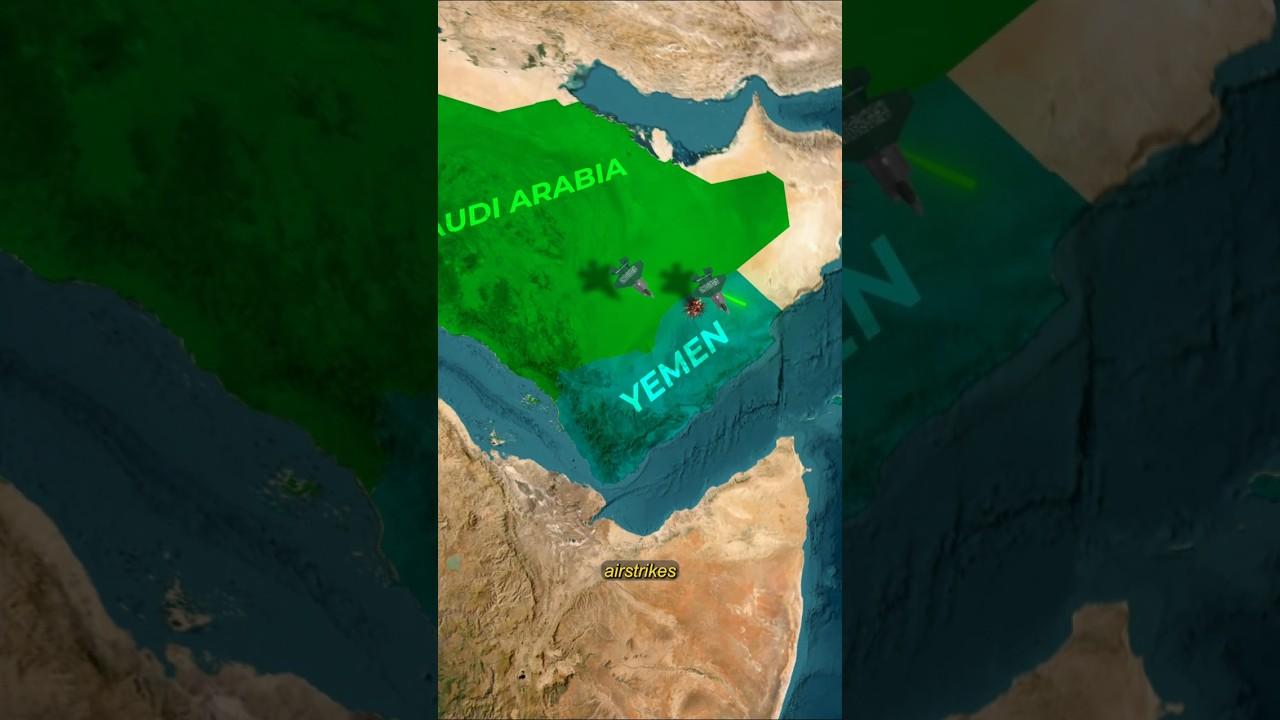
Saudi Jets Turn on UAE Allies, Bomb Separatists in South Yemen
Saudi jets struck UAE-backed separatists in southern Yemen overnight, turning former coalition partners into enemies and raising fears of a broader Gulf rift.
Midnight over Aden
The first explosion lit the Aden skyline at 00:47 local time. Residents who had grown used to the rumble of distant fighting grabbed phones, not to film the flash, but to ask the same stunned question: Are the Saudis really bombing the UAE’s own troops?
The Target: a Makeshift Barracks
By dawn it was clear. Saudi warplanes had struck a compound on the coastal road where the secessionist Southern Transitional Council (STC)—trained, financed and once hailed by the United Arab Emirates—had set up headquarters. Three raids, 11 dead, dozens wounded. A senior STC officer, still dust-covered, told reporters:
We were allies yesterday. Tonight we were targets.
Why Now?
Behind the sudden reversal lies a power struggle that has been simmering since the 2019 Riyadh agreement stitched together Yemen’s government and the separatists against the common Houthi enemy. That accord never settled who would ultimately control the south’s oil terminals and ports. When the STC recently pushed into the government-held city of Shabwa, Riyadh read it as an attempt to create a de-facto state on its border.
A Saudi official, speaking on condition of anonymity, said:
We will not allow militias—any militias—to redraw borders by force.
Regional Fallout
The UAE, which withdrew most of its own troops in 2020 but continues to fund and arm the STC, responded with an unusually terse statement calling for “de-escalation and dialogue.” Analysts detect a careful calibration: Abu Dhabi wants to keep its proxy intact without a public rift with Riyadh.
- US State Department urged “all parties to recommit to the UN peace process.”
- Oil prices ticked up 1.8 % on fears of wider Gulf instability.
- Commercial flights into Aden were suspended indefinitely.
On the Ground
STC fighters reinforced checkpoints with sandbags and anti-aircraft guns. In Crater district, 28-year-old Amal Saleh sheltered her two children under a staircase:
We thought the war was drifting north. Now it’s back on our rooftops.
Meanwhile, Saudi state media framed the strikes as “precision operations against terrorist elements threatening Yemen’s internationally recognized government.” The language deliberately echoed past campaigns against al-Qaeda, a rhetorical move to blur the awkward reality that yesterday’s “terrorists” were last week’s coalition partners.
What Next?
Western diplomats warn the rupture could splinter the anti-Houthi front just as the UN envoy is trying to widen a fragile truce. One Western envoy confided:
If the Saudis and Emiratis can’t keep their proxies in line, the Houthis win by default.
For civilians, the equation is simpler. “We don’t care who bombs whom,” said fisherman Murad al-Amari, mending nets by the harbor. “We just want the jets to stay on the ground.” As dusk settled over Aden, the sound of a distant drone could be heard again—reminder that in Yemen’s layered war, today’s allies may be tomorrow’s airstrikes.