Nvidia's China Breakthrough: What US Approval of H200 Chip Sales Really Means
US approval for Nvidia's sale of advanced H200 chips to China sparks debate on tech diplomacy, innovation, and national security.
Imagine a world where the lines between innovation and geopolitics are constantly blurred. Welcome to the reality of high-stakes tech diplomacy, where a simple chip can be both a marvel of engineering and a potential game-changer in global power dynamics. The recent US approval for the sale of Nvidia's advanced H200 chips to China has sent shockwaves through the tech and finance communities, leaving many to wonder what this means for the future of international relations and the semiconductor industry.
Navigating the Complex Landscape of Tech and Trade
The decision to allow Nvidia to sell its high-performance chips to Chinese companies, despite previous restrictions aimed at curbing the advancement of China's military and tech sectors, raises a multitude of questions. At the heart of these questions is the delicate balance between fostering innovation and safeguarding national security. As Dr. Rachel Kim, a leading expert in tech policy, notes,
"The approval highlights the challenge of applying restrictions without stifling the global innovation ecosystem. It's a tightrope walk between security concerns and the need for technological advancement."
The Significance of Nvidia's H200 Chips
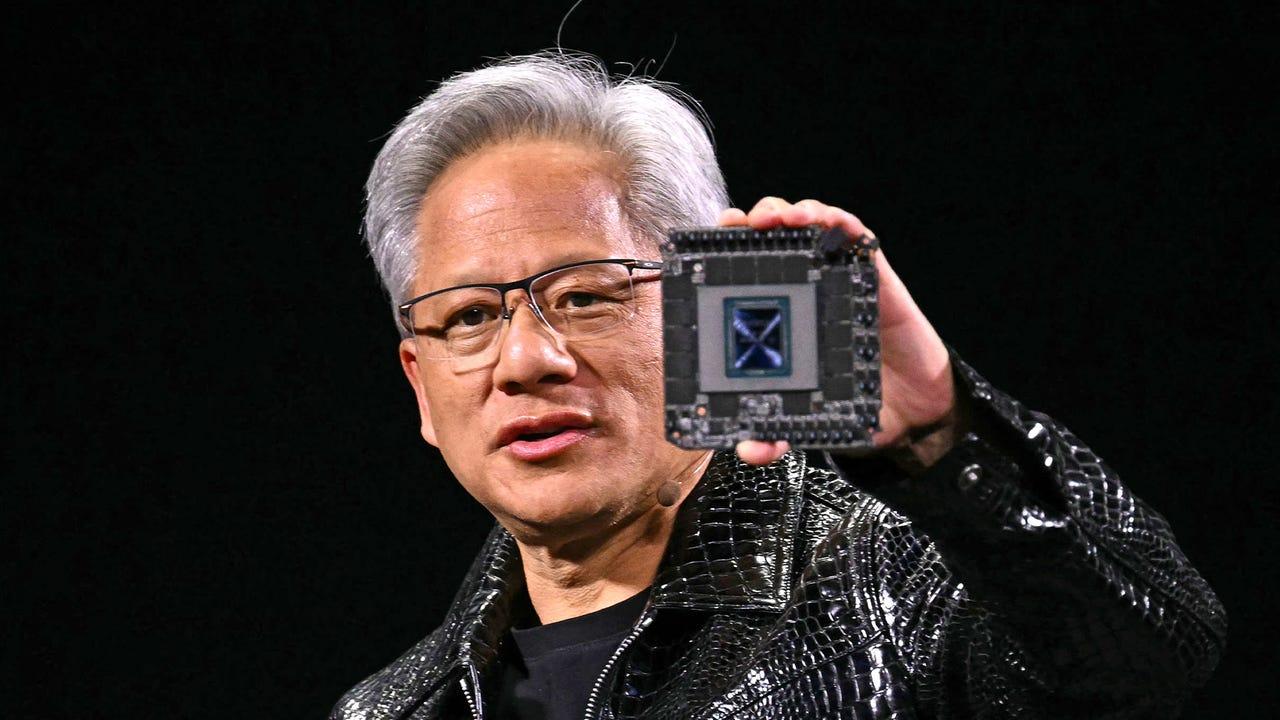
Nvidia's H200 chips are not just any semiconductors; they represent the cutting edge of computing technology, crucial for applications in artificial intelligence, data analytics, and more. Their high performance makes them highly sought after, not just by tech companies but also by nations looking to leapfrog in technological capabilities. This has led to a situation where the sale of such chips is not merely a commercial transaction but a geopolitical move with significant implications.
Why This Shifts the Global Paradigm
The US approval of Nvidia's chip sales to China signals a potential shift in the approach to tech diplomacy. It suggests a recognition of the interconnected nature of global tech supply chains and the need for a more nuanced approach to regulation. As Elena Lee, a tech analyst, observes,
"This decision may indicate a move towards a more targeted approach to export controls, one that considers the complexities of the global tech ecosystem and the importance of maintaining American competitiveness in key sectors."
Implications for the Global Economy and Tech Industry
The implications of this decision are far-reaching, affecting not just the tech industry but the global economy. It could set a precedent for how other countries approach the regulation of high-tech exports, balancing national security with the need to foster innovation and compete in the global market. For companies like Nvidia, it presents both opportunities and challenges, as they navigate the complex landscape of international trade and tech diplomacy.
The Human Element in Tech Diplomacy
Beyond the geopolitical and economic implications, the story of Nvidia's chip sales to China is also about people. It's about the engineers and researchers working tirelessly to push the boundaries of what is possible with technology. It's about the policymakers who must make difficult decisions that balance competing interests. And it's about the end-users who will ultimately benefit from the innovations made possible by these advancements. As Julian Saint Clair, a tech ethicist, comments,
"At the heart of these technological advancements are human stories of innovation, collaboration, and the pursuit of progress. It's essential we remember the people behind the tech as we navigate the complex ethical and diplomatic landscapes."
A Call to Reflection and Action
As we move forward in this era of rapid technological change, it's crucial to reflect on what we value: innovation, security, collaboration, or competition? The sale of Nvidia's H200 chips to China is more than just a business deal; it's a reminder of the need for continuous dialogue and cooperation on the global stage. It challenges us to think critically about the future we want to build and the role technology should play in it.
So, what does the future hold? Only time will tell, but one thing is certain: the intersection of technology and diplomacy will continue to shape our world in profound ways. The question is, are we prepared to navigate this new landscape with the wisdom, foresight, and humanity it demands?