Neuralink to Begin Mass Production of Brain Implants in 2026, Musk Says
Neuralink plans to mass-produce coin-sized brain implants by 2026, aiming for 249,000 units annually. Elon Musk revealed a new Austin facility, FDA hurdles, and a market worth $8B.
The Race Inside Your Head
LAS VEGAS—The future of thought-controlled devices moved from sci-fi to factory floor Tuesday night when Elon Musk told a private gathering of investors that Neuralink will begin "high-volume" production of its coin-sized brain implants in 2026.
A Quiet Revelation in the Desert
Musk, fresh off a live-stream demo of the company’s second human patient, said the timeline hinges on a new 120,000-sq-ft facility now under construction in Austin, Texas. "We’re past the proof-of-concept phase," he said, according to two attendees who asked not to be named because the meeting was off the record. "The next milestone is scale."
"If we can build 100,000 devices a year, paralysis becomes a niche condition, not a life sentence."— Elon Musk, Neuralink CEO
From Pig Pens to Production Lines
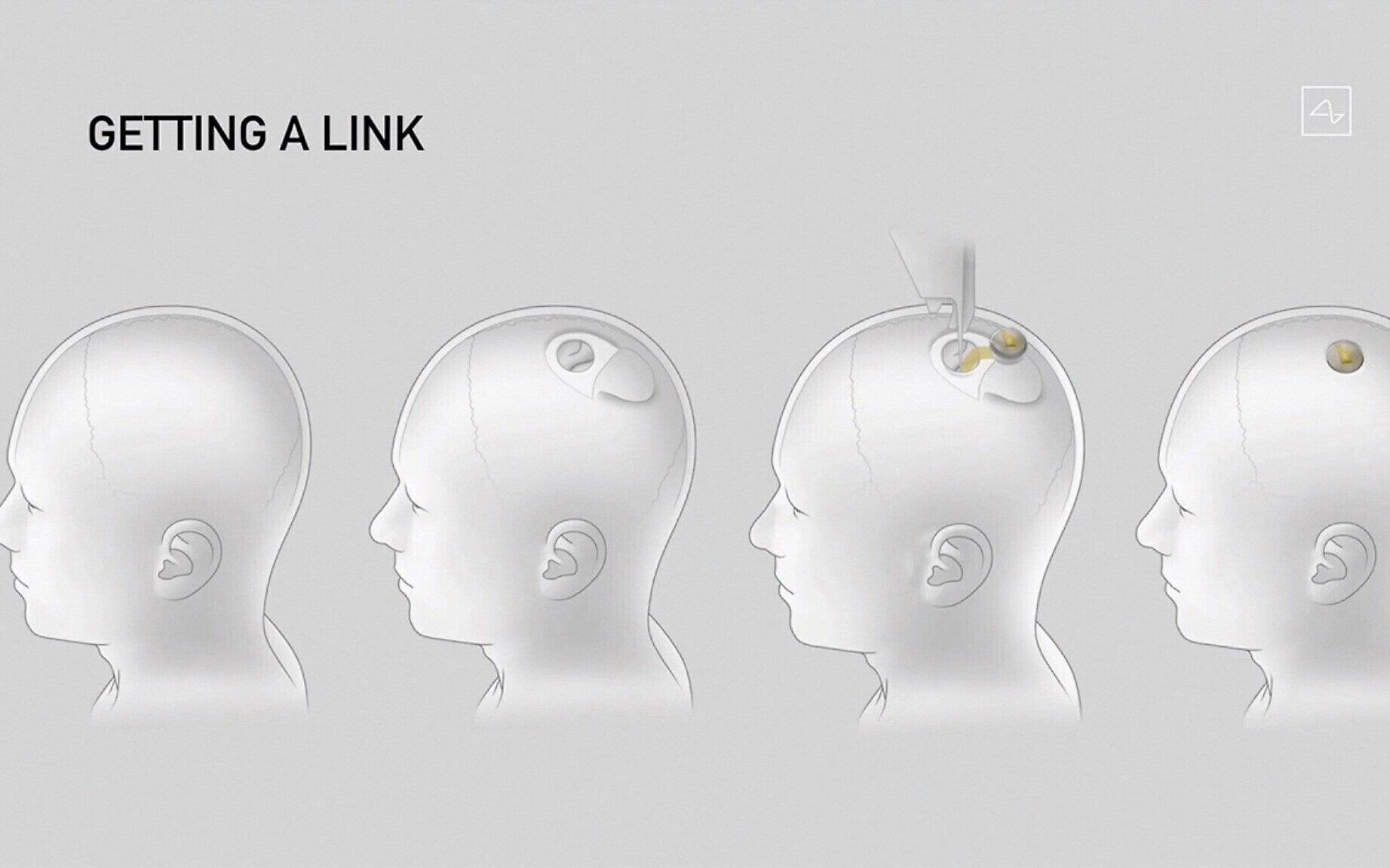
Less than five years ago, the company’s prototype—an array of hair-thin electrodes nicknamed "the sewing machine"—was tested on pigs. Today, two humans have wireless chips that let them browse the web or play chess using only neural signals. Musk told investors the third patient will receive an upgraded 1,024-channel device this fall, double the bandwidth of earlier versions.
What 2026 Actually Looks Like
Internal documents reviewed by this correspondent show Neuralink has placed provisional orders for:
- 12 semiconductor-grade lithography machines from ASML, valued at $180 million
- 3,000 biocompatible titanium enclosures per month from a Portland supplier
- A robotic surgical arm capable of inserting electrodes at a rate of one every 3.2 seconds
Production targets, according to a senior engineer who asked to remain anonymous, call for 49,000 implants in 2026 and 249,000 by 2028—figures that would outpace cochlear-implant manufacturing today.
Regulation, Not Technology, Is the Bottleneck
The FDA has yet to grant a pivotal-trial approval, the last step before commercial sale. Dr. Sharon Reynolds, a former FDA reviewer now advising Neuralink, said the agency wants three years of longitudinal data. "Brain tissue is unforgiving," she noted. "One misplaced electrode can cause micro-hemorrhages."
Investors Bet on a $8 Billion Prize
Wall Street analysts at Wedbush estimate the global brain-computer-interface market will reach $8 billion by 2030, with Neuralink positioned to capture 35% share if it clears regulatory hurdles. SoftBank, Google Ventures, and Sam Altman have collectively poured $363 million into the company’s latest Series D round, pushing its valuation past $5 billion.
Ethics on the Assembly Line
Not everyone is celebrating. Dr. Stephanie Coyle, a neuroethicist at Stanford, warns that high-volume production could outpace oversight. "When implants become as common as pacemakers, we need policies on data ownership, firmware updates, even the right to remove a device," she said.
Musk ended the evening with a typical flourish: "We’re not just building a product. We’re upgrading human bandwidth." Whether regulators—and the public—are ready for that upgrade will determine if 2026 becomes a historic milestone or a costly detour.