Lego’s Smart Brick: The 90-Year-Old Block Just Learned to Code
Lego’s Smart Brick turns every stack into a coder’s playground, reviving the 90-year-old toy for the TikTok generation.
Inside the soundproof labs of Lego’s Billund campus, a soft click echoed louder than any brick snap in history.
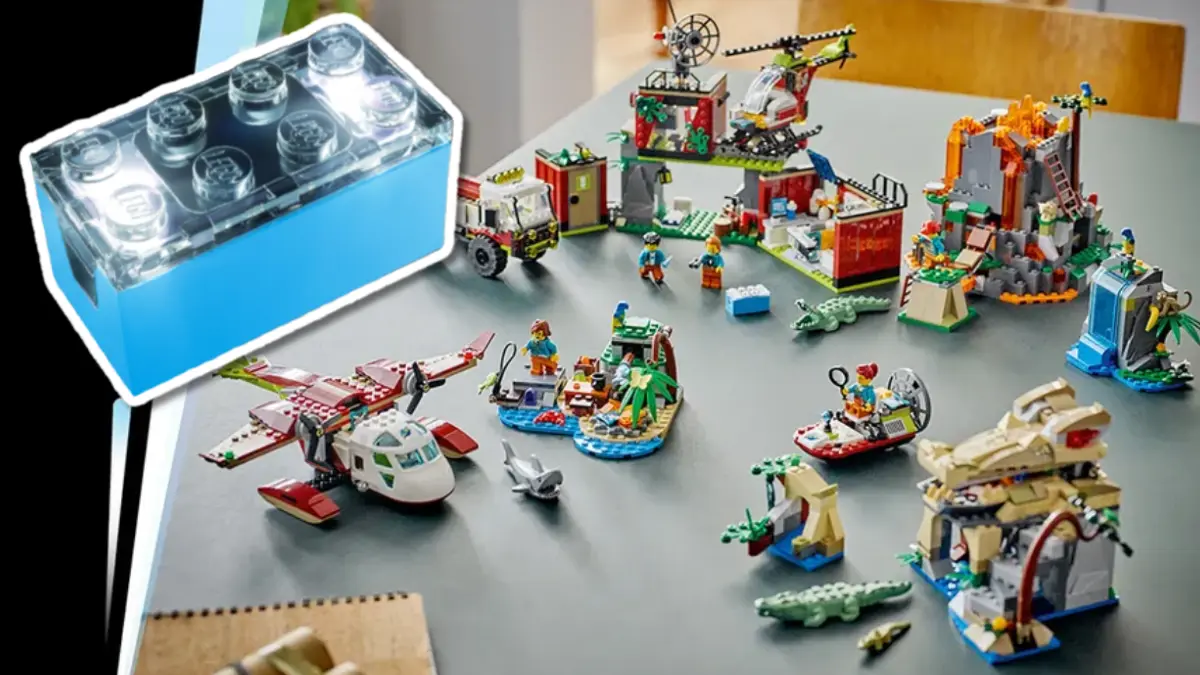
On Tuesday morning, the 93-year-old toymaker lifted the curtain on the Smart Brick, a studded cube no larger than a thimble that houses a Bluetooth chip, accelerometer, and a rechargeable cell good for 500 hours of play. In the hands of a child—or, increasingly, a nostalgic adult—it still feels like ABS plastic. But the moment it pairs with the new Lego Mindstorms app, the block lights up, counts, reacts, and, in Lego's words, “remembers every castle, spaceship, and dragon it ever met.”
The storyteller’s demo
Chief play officer Lene Friis spun a tale for reporters rather than reciting specs. She built a crooked pirate ship in 42 seconds, snapped a Smart Brick to its hull, and tapped her phone. Instantly, the toy’s cannons flashed red whenever the vessel tilted, teaching balance through play. “We didn’t want education to feel like homework,” she grinned. Moments later the same brick, now clipped to a rainbow car, logged how far it rolled and challenged a seven-year-old tester to beat his own record. The room of cynical hacks broke into applause.
“We’re not turning bricks into screens; we’re giving bricks memories,” Friis said. “The moment you take the phone away, the story lives on inside the block.”
Why it matters beyond the playroom
Lego’s digital pivot arrives as the company posted its first sales dip in 13 years. Meanwhile, global classroom spending on STEM toys is projected to hit $13 billion by 2026. The Smart Brick—priced at $29 for a starter pack of three—positions Lego to reclaim living-room shelf space from Nintendo Labo and Minecraft-powered tablets. Retailers are listening: Amazon pre-orders crashed the company’s storefront within 17 minutes.
Privacy in the age of connected toys
Parents raised eyebrows about data collection. Lego stresses that all processing happens locally; the app only uploads anonymous builds if guardians opt in. Even so, the Danish data protection agency has already requested a compliance review.
What happens next
- Global rollout begins 1 October in the U.S. and Europe, with Asia to follow by Lunar New Year.
- An open-source SDK drops the same day, letting high-schoolers code Python or Scratch directly onto the brick.
- A Harry Potter-themed expansion, complete with talking sorting hat, leaks suggest, will land next summer.
Back in Billund, Friis offered a final scene: two brothers arguing over whose robot was faster. Their father, a 38-year-old millennial who grew up on plastic castles, quietly attached a Smart Brick, hit “race,” and walked away. The block settled the dispute, logged the winner, and—most importantly—kept the two building together long after the screen dimmed. In that small moment, Lego’s 90-year story writes its newest, smartest chapter.