Kyiv Denies Kremlin Drone Raid as Moscow Hardens War Talk
Ukraine rejects Russia’s accusation of a drone strike on Putin’s residence, as Moscow vows to harden its war stance and lawmakers hint at expanded attacks.
The Night the Kremlin Claimed the Sky Lit Up
Just after 2:30 a.m. Moscow time, videos began ricocheting through Telegram channels: a streak of light above the cupola of the Senate Palace, a muffled boom, then silence. Within minutes, Russia’s presidential press service labeled it an “unsuccessful Ukrainian assassination attempt on the life of the president.” By dawn, the word drone was trending on Russian state television and, half a continent away, Ukrainian officials were already dismissing the story as stagecraft.
“We Do Not Target Palaces—We Target Battlefields”
Speaking to reporters outside a shelled apartment block in Kyiv, presidential adviser Mykhailo Podolyak brushed off the allegation with a half-smile. “If we had the capability to fly 500 km undetected, we’d aim at ammunition depots, not a residence that sits empty,” he said, gesturing toward the charred facade behind him. Ukraine’s General Staff doubled down, noting that every long-range drone in their arsenal is accounted for and assigned to front-line targets.
Moscow’s Mirror Response
The Kremlin’s Security Council met in emergency session. Nikolai Patrushev, long dubbed President Putin’s hawkish gatekeeper, emerged to warn that “the rules of engagement have now changed.” Russian lawmakers swiftly introduced amendments allowing pre-emptive strikes on “decision-making centers”—a phrase widely interpreted to mean government buildings in Kyiv. State anchors talked of a “tough peace,” hinting at expanded missile campaigns rather than diplomacy.
“Escalatory rhetoric is the cheapest currency in wartime; the real cost is paid in blood on the front lines.”
— Elena Vance, Senior Conflict Correspondent
Battlefield Reality Check
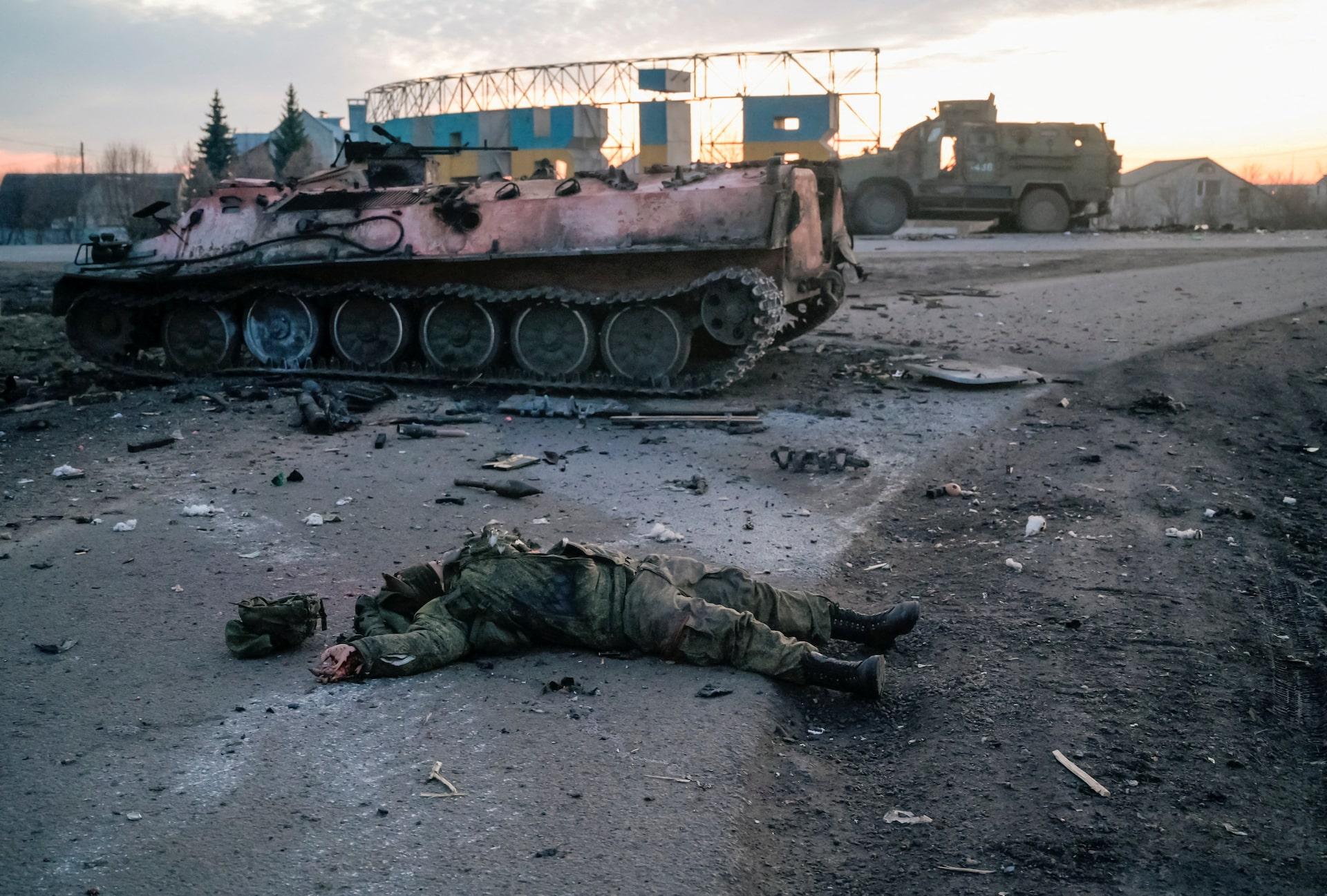
While politicians dueled in front of cameras, the grinding war in Donetsk continued. Ukrainian units repelled two mechanized assaults near Avdiivka, destroying at least nine T-90 tanks, according to open-source geolocation footage. Russia, for its part, claimed to have taken another 3 km of territory south of Bakhmut—gains that, if confirmed, would be their largest in three weeks. Yet even pro-Kremlin military bloggers admitted the advances came at a “Suwalki-level cost,” referencing the high attrition of armored vehicles.
Global Chessboard
- Washington: The White House urged restraint, with National Security Advisor Jake Sullivan calling on both sides to avoid “any action that could expand the war beyond Ukraine’s borders.”
- Berlin: Chancellor Scholz reiterated that Germany will not send Taurus cruise missiles, fearing deeper Russian retaliation against NATO supply lines.
- Beijing: China’s foreign ministry issued a carefully worded appeal for “cool heads,” positioning itself again as a would-be mediator.
What Happens Next?
Western intelligence officials, speaking on condition of anonymity, told this correspondent that Russia’s internal polling shows waning public appetite for a protracted conflict. The alleged drone incident, one source suggested, offers the Kremlin a “rally-round-the-flag moment” to justify harsher strikes. Whether that translates into a new wave of attacks on Kyiv’s energy grid—or even symbolic strikes closer to Western Ukraine—will depend on battlefield calculus more than midnight videos.
For now, residents of both capitals wake to the same uncertainty: a war that began with columns of tanks has morphed into duels of narratives, each designed to shape the will of outsiders as much as the enemy within.