Kosovo Votes: Snap Election Aims to Break Year-Long Deadlock
Kosovo’s snap election draws record turnout as voters seek to break a year-long political stalemate that has stunted EU talks and economic growth.
A Nation at the Crossroads
Pristina—Kosovo woke to the thud of ballot boxes hitting pavement before dawn on Sunday, as election workers fanned out across a country desperate to end twelve months of political paralysis. The snap vote, called after three governments collapsed in quick succession, is being watched from Brussels to Belgrade as a bellwether for stability in the Balkans.
Ballots Over Barricades
Turnout surged past 52 percent by midday, the highest since independence in 2008, according to the Central Election Commission. Voters queued outside schools turned polling stations, some clutching toddlers, others leaning on canes, all sharing a single refrain: "We need a government that lasts longer than a season."
"Every election feels like a restart button we keep pressing, hoping the screen doesn’t freeze again," said Valdete Krasniqi, 38, casting her ballot in the Dardania district.
Coalition Calculus
The race is a three-way scramble among:
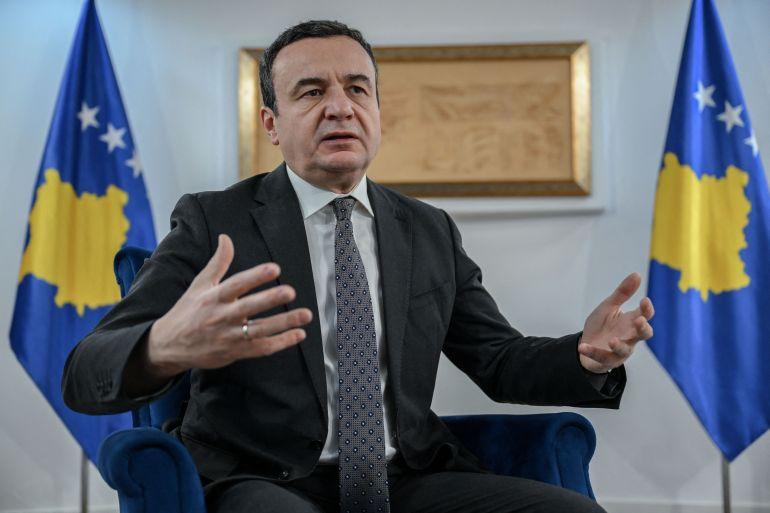
- Vetëvendosje, the anti-establishment movement led by acting Prime Minister Albin Kurti, promising an end to corruption and closer ties with Washington.
- Democratic League of Kosovo (LDK), pitching a pro-European technocratic reset.
- Democratic Party of Kosovo (PDK), touting its wartime legacy and pledging faster economic growth.
No party is expected to secure the 61 seats needed to govern alone, setting the stage for weeks of coalition talks. Analysts warn that if negotiations drag into August, Kosovo risks missing a September deadline to enact EU-mandated reforms, freezing €1.2 billion in aid and complicating visa-liberalization talks.
Young Electorate, Old Grievances
More than 35 percent of voters are under 30, born either during the 1998-99 war or in its aftermath. Their priorities—jobs, visas, and an end to nepotism—have eclipsed the nationalist rhetoric that once dominated campaigns. Exit polls suggest Vetëvendosje could win 38 percent of this demographic, enough to tip the balance.
Yet in the Serb-majority north, turnout hovered around 15 percent by late afternoon, reflecting lingering mistrust after last year’s gunfire and barricades. Belgrade has urged Kosovo Serbs to participate, but many remain unconvinced.
What Happens Next
Preliminary results are expected overnight. If no clear winner emerges, President Vjosa Osmani has five days to nominate a prime minister-designate, who must then cobble together a majority within ten. Failure would trigger yet another election—the fourth in five years.
For now, café owners along Mother Teresa Boulevard have replaced talk of football with seat projections, while kids weave through campaign posters fluttering like prayer flags in the mountain breeze. The question hanging over Pristina’s evening skyline is whether tonight’s tally will finally turn the page—or simply add another chapter to Kosovo’s unfinished story.