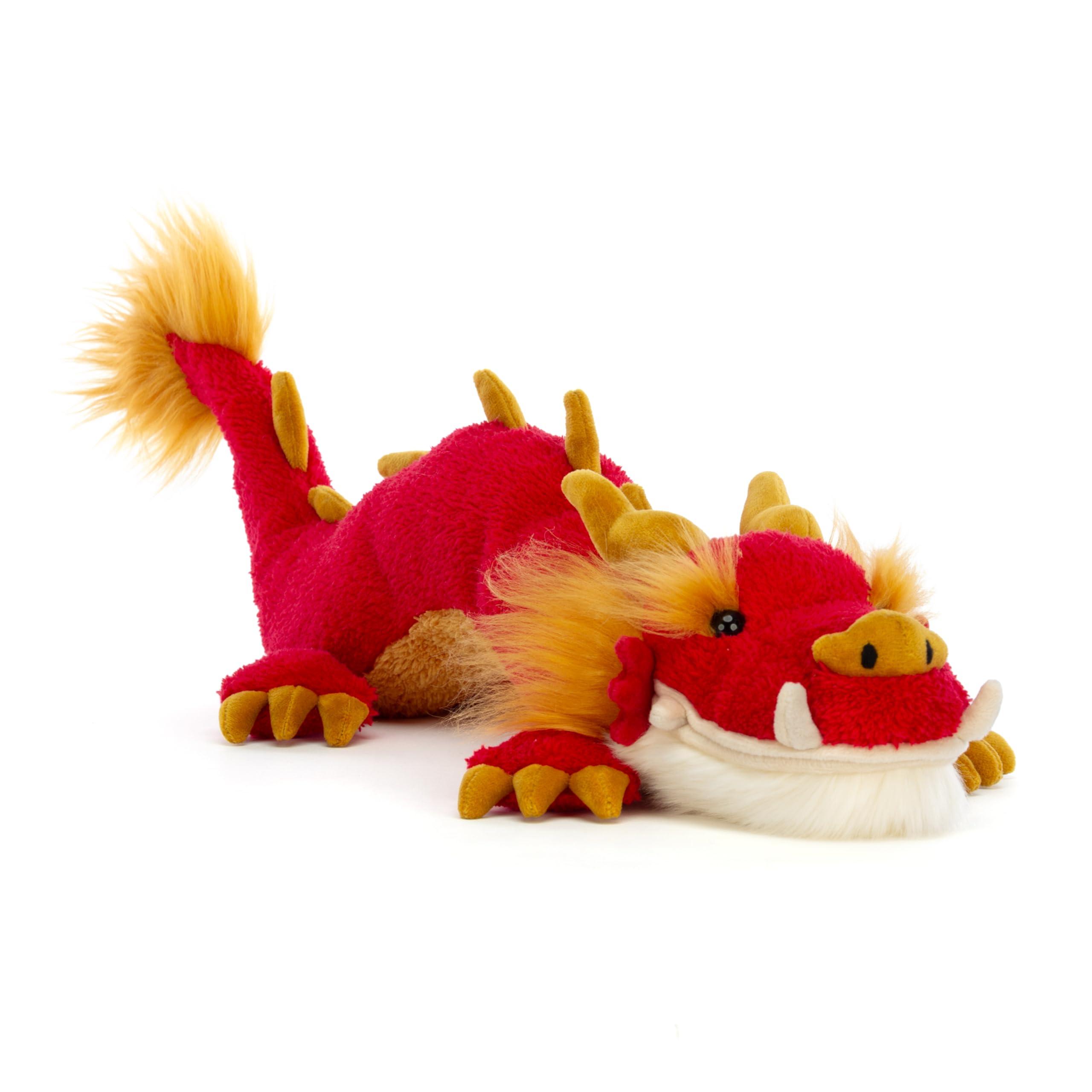
Jellycat Conquers China
British plush-maker Jellycat has become China’s hottest comfort brand, turning stressed millennials into collectors and propelling a billion-dollar anxiety economy.
How a British plush toy became the must-have comfort item for anxious Chinese millennials
Shanghai, July 2025 — On the eighth floor of the IAPM Mall, a queue snakes past Prada and Gucci. The line isn’t for sneakers, smartphones, or streetwear. It’s for a pudgy, bean-stuffed bunny with embroidered whiskers and a price tag north of ¥600 ($82).
The plush rebellion
When Jellycat, the 26-year-old London toymaker, landed quietly in China five years ago, it was stocked in boutique nurseries for affluent toddlers. Today, the brand’s flagship store sells out weekly, and Taobao resellers mark up limited-edition “Bartholomew Bears” by 300%. The reason? China’s 20- and 30-somethings have weaponised softness.
“Every time I squeeze my Amuseable Cloud, my blood pressure drops,” says 29-year-old financial analyst Luo Wen. “It’s cheaper than therapy and safer than crypto.”
From cribs to cubicles
During the pandemic, Jellycat’s Chinese Instagram-equivalent posts—lavender bunnies perched on laptops, smiling avocados cradled in bed—went viral. Hashtags like #softhealing and #adultplush racked up 340 million views on Xiaohongshu. Manufacturers noticed: Alibaba data show searches for “adult plush toy” up 450% year on year.
- Emotional value > face value: Gen-Z shoppers rank “comfort” above logo prestige in 2025 surveys.
- Scarcity marketing: Jellycat drops “retired” characters monthly, fuelling secondary-market frenzies.
- Gifting economy: Friends swap plushies instead of red envelopes for birthdays.
The anxiety economy
China’s youth unemployment hovers near 20%; property prices remain stubbornly high. Against that backdrop, a squishy, smiling onion named “Silly Succulent” offers something apartments and equities can’t: guaranteed affection.
“We’re not selling toys; we’re selling serotonin,” jokes regional director Melanie Chen, who opened the Chengdu pop-up that recorded 5,000 daily visitors last month.
Home-grown challengers emerge
Local brands like Bambol and CottonCritter now replicate the formula—round eyes, understuffed limbs, cryptic backstories—but Jellycat’s British pedigree still confers cachet. Analysts at Bain estimate the Chinese “comfort plush” market will hit $1.4 billion by 2027, triple its 2023 size.
What next?
Next quarter, Jellycat will launch a Mid-Autumn Festival moon-cake plush in sesame-yellow. Internal documents seen by this correspondent reveal plans for AR-enabled toys that “breathe” when hugged. If successful, expect more sleepless nights outside malls—and a nation of adults clutching plush dumplings on the subway ride home.