January Skies Host a Cosmic Showdown: Meteor Shower Meets Supermoon
January’s Quadrantid meteor shower collides with the year’s first supermoon, creating a rare sky-watching dilemma of brightness versus brilliance.
A Celestial Double-Header
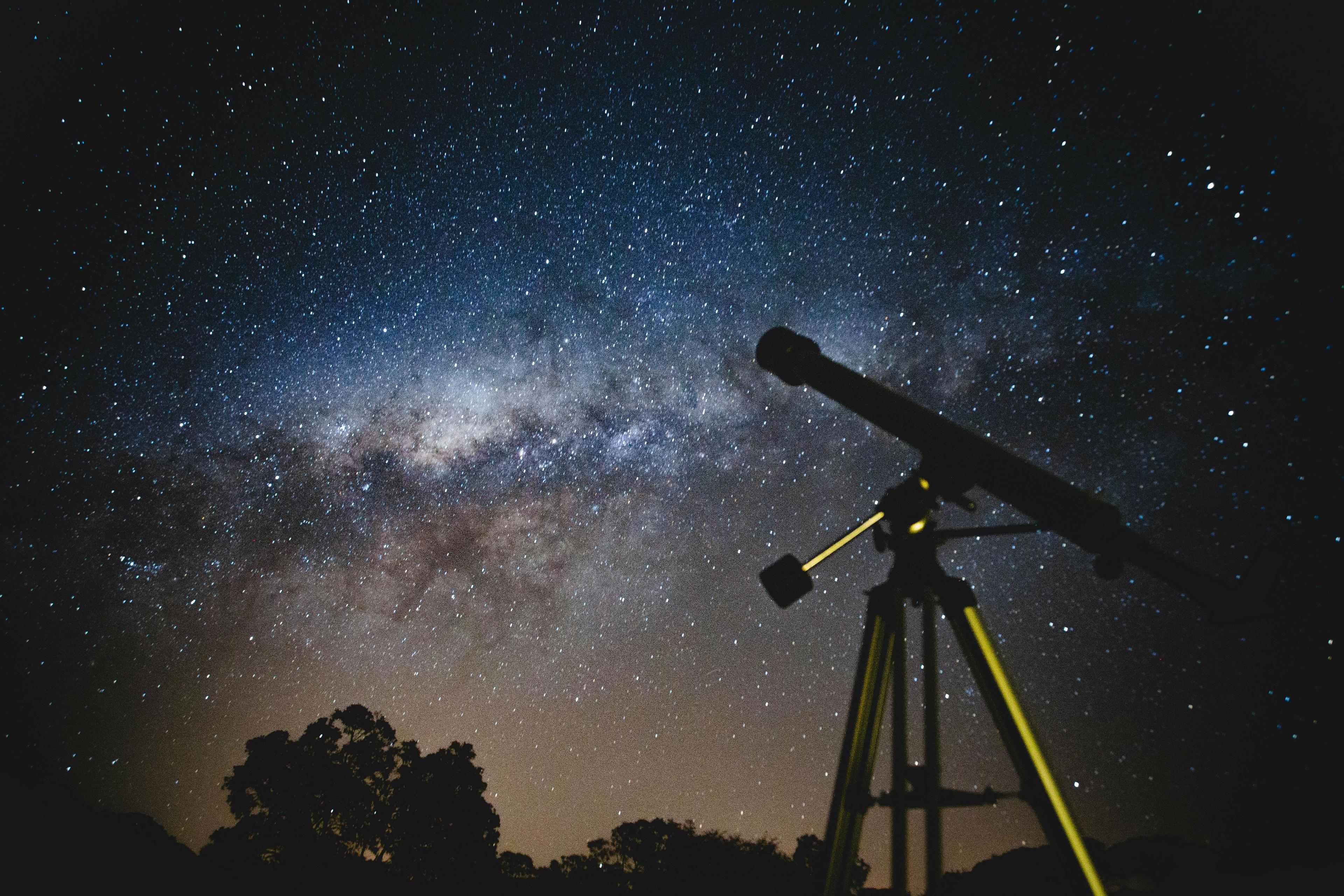
Stargazers are bracing for a sky-watching paradox this January. The Quadrantid meteor shower—famously one of the year’s richest displays—peaks the very same night the Moon swings closest to Earth, turning itself into a blazing supermoon. The clash promises both wonder and frustration: bright moonlight that could wash out many of the 120-plus meteors expected each hour.
The Quadrantids: A Brief but Fiery Affair
Often overlooked because of winter’s chill, the Quadrantids can rival August’s Perseids for intensity. Their streaks radiate from the now-defunct constellation Quadrans Muralis, near the handle of the Big Dipper. Peak activity lasts only six hours, centered on January 3 at 4 a.m. EST—meaning timing is everything.
A Supermoon Rises
Just hours earlier, the full Moon will reach perigee, its closest approach in 2024. At roughly 356,500 km away, it will appear up to 8 percent wider than an average full Moon. While photographers revel in the lunar glow, astronomers grimace: the extra brightness can raise sky glow by nearly 60 percent, turning dark-sky havens into twilight zones.
“It’s like trying to watch fireworks in midday,” says Dr. Elena Ruiz, an astronomer at Lowell Observatory. “Your eyes never fully adapt, so the fainter streaks simply vanish.”
How to Salvage the Show
Observers can still bag dozens of visible meteors by playing the angles:
- Face away from the Moon, ideally using a building or tree as a shield.
- Start watching after local midnight, when the radiant climbs higher.
- Use binoculars to catch “earthgrazers”—long, low trails that graze the upper atmosphere.
- Track the Moon later: it sets shortly after dawn, leaving a brief dark window.
Science Beneath the Spectacle
Each Quadrantid grain is a sliver of asteroid 2003 EH1—possibly a dead comet—blazing up at 41 km/s. The supermoon, meanwhile, tugs extra hard on Earth’s oceans, boosting tides by several centimeters worldwide. Together, the events offer a reminder that our nearest neighbor can both illuminate and eclipse nature’s fireworks.
Bottom Line
Dress warm, bring patience, and expect fewer meteors than usual—but if a bright Quadrantid slashes across the moonlit sky, the contrast could make it the most memorable of the year.