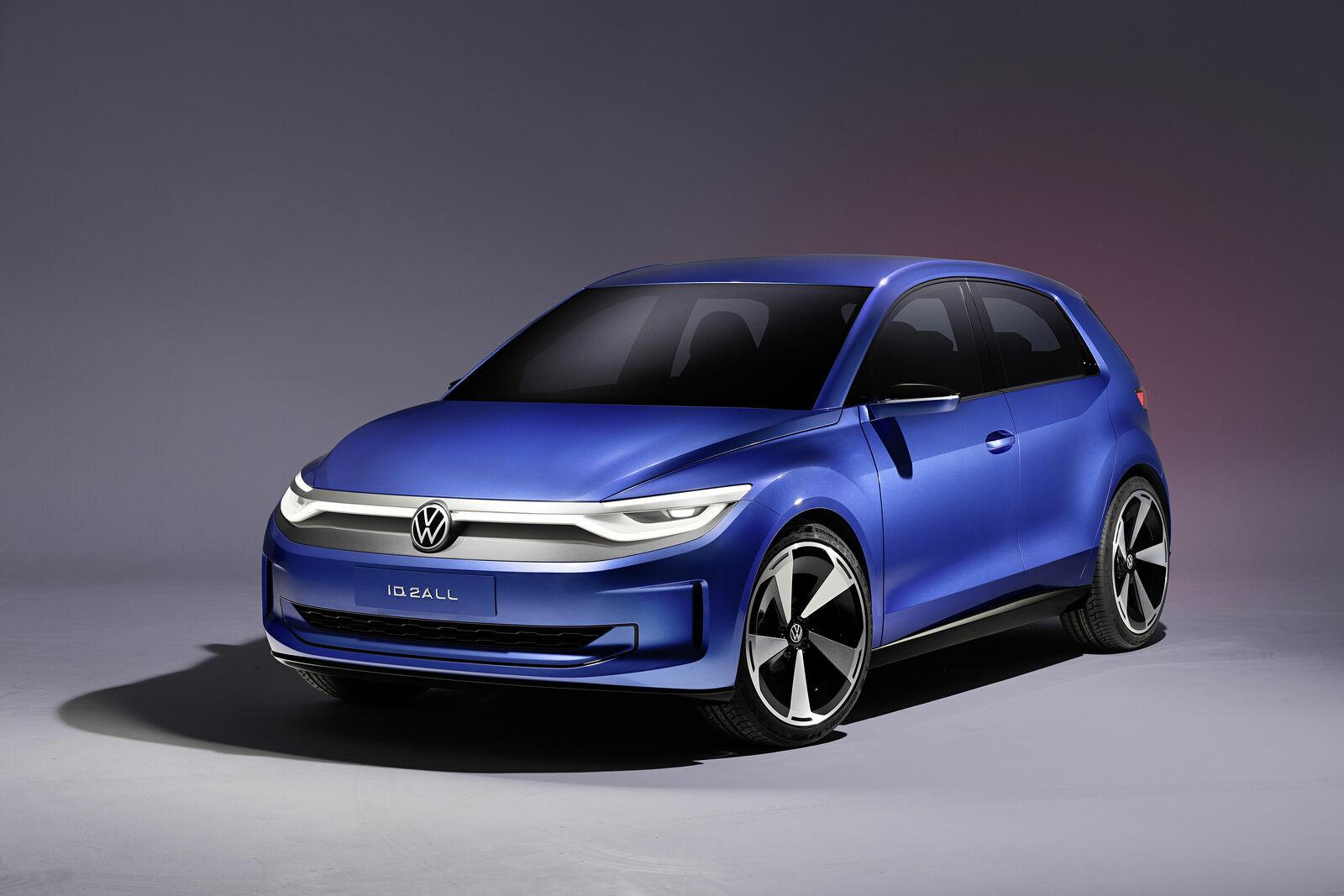
Inside the ID. Polo: How Volkswagen’s New Cockpit Is Rewriting the Rules of the City EV
Volkswagen’s ID. Polo concept reveals a next-gen cockpit that blends OLED touch, predictive software, and sub-€26k pricing to reclaim Europe’s city-EV crown.
A first look at the cabin that wants to make the hatchback cool again
Volkswagen’s design studio in Wolfsburg is unusually quiet for a vehicle launch. Engineers lean over a single clay buck, but no one is talking about horsepower. Instead, the conversation centers on pixels, haptics, and the moment a 22-year-old in Milan decides whether an electric car feels "Instagram-ready."
The screen that replaces the dash
The ID. Polo—officially still a concept but already approved for production—abandons the twin-screen layout that defined the ID.3. In its place sits a single, curved 12.9-inch OLED that stretches from steering column to passenger door like a digital shelf. Icons glow only when a hand approaches; tap the climate tile and the graphic morphs into tactile ridges you can feel through thin gloves. Volkswagen calls it "radar-touch," a marriage of capacitive and 60-GHz sensors borrowed from smart-home research.
"We started by asking why a Nintendo Switch feels more intuitive than most luxury cars," says interior chief Lisa Gräf. "Then we stole the answer."
Software that learns your commute
Under the glass, VW’s new ID.OS 3.0 runs on a Samsung-built 7-nm chip. The headline trick: predictive routing that caches battery-warming routines based on calendar entries. If your Friday 7-a.m. airport run is on Google Calendar, the Polo pre-conditions the 57-kWh lithium-iron pack while still plugged in, squeezing an extra 18 km of range in winter. Over-the-air updates arrive like Netflix episodes—compressed, encrypted, and installed during a coffee stop.
- Standard 11-kW on-board charger; 80 % in 26 min on 125-kW DC
- Vehicle-to-grid bidirectional option adds €790 in Germany
- EPA-equivalent range targeted at 420 km, price under €26,000 after incentives
Why the Polo badge matters
Volkswagen sold 14 million Polos since 1975, most to buyers under 30. With the ID. Polo, the brand risks cannibalizing its own gasoline hatchback, yet executives see no alternative. EU fleet CO₂ targets tighten again in 2025; every ID. Polo registered counts double toward VW’s quota because it’s built on MEB-Short, a front-drive spin-off that slashes production cost by 28 %.
Showrooms open late 2025, but European configurator pages go live this September. Deposit holders get an NFT that doubles as a queue ticket—an ironic nod to a customer base that still remembers Dieselgate memes.
Bottom line
Volkswagen isn’t selling an EV; it’s selling the first EV that refuses to apologize for being small. If the ID. Polo delivers even 90 % of its promised range at that price, the Korean and Chinese brands now dominating Europe’s affordable-EV space will feel the squeeze faster than any regulator could manage.