How a Korean Tungsten Mine Quietly Became America’s Critical-Mineral Lifeline
A long-dormant Korean tungsten mine run by Almonty Industries is set to feed U.S. defense and EV plants, slashing American reliance on Chinese supply.
From Mountain Backwater to Strategic Asset
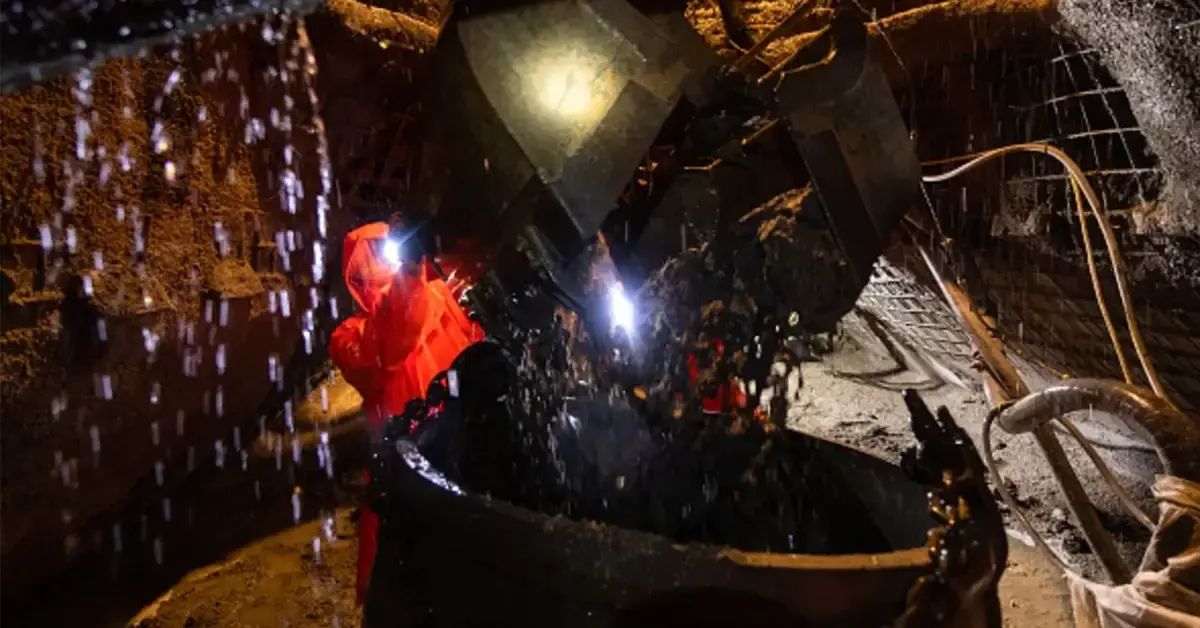
At dawn on a frostbitten ridge in South Korea’s Gangwon Province, miners ride a rattling cage a kilometer underground. Few realize the ore they blast—coarse, steel-gray tungsten—could soon sit inside the guidance chips of U.S. missiles and the battery packs of American Teslas.
The Deal That Changed the Map
Last week, Toronto-listed Almonty Industries signed an offtake memorandum with a U.S. government-backed processor, promising up to 35 % of the Sangdong mine’s future output for American defense and EV supply chains. If regulators bless the pact, Sangdong will ship its first concentrate to U.S. shores in late 2025.
“We are not just reopening a mine; we are reopening a strategic corridor,” Almonty CEO Lewis Black told reporters in Seoul. “Tungsten has been treated like scrap metal. Washington now sees it for what it is: oil in solid form.”
Why Tungsten Suddenly Matters
Washington lists the metal among 50 minerals “essential to national security.” Tungsten’s hardness and heat tolerance make it irreplaceable in drill bits, rocket nozzles, and the filaments inside semiconductors. Yet the U.S. relies on China for more than 80 % of its supply, a dependency the Pentagon calls “a single-point failure.”
From Developer to Producer Overnight
Almonty spent 14 years navigating heritage permits, falling ore prices, and a pandemic. With the Korea Development Bank now co-financing a $88 million processing plant, the company graduates from explorer to producer—one of only a handful outside China able to deliver battery-grade tungsten oxide at scale.
What It Means for Prices—and Politics
- Benchmark tungsten APT prices have jumped 22 % since January on the prospect of a U.S. stockpile build.
- Korean lawmakers are fast-tracking a bill that classifies tungsten as a “strategic reserve,” opening state stockpiles for domestic buyers first.
- U.S. OEMs, relieved at diversifying supply, still face a 6,000-mile logistics chain and a volatile won-dollar exchange rate.
Voices from the Shaft
“My grandfather dug here in the 1960s,” says 41-year-old miner Park Jong-ho, resting after a night shift. “Back then the ore went to Japan. Now it goes to America. Same rock, different empire.”
What Happens Next
Engineers will finish installing flotation cells this summer. If concentrate grades hit the 65 % target, Almonty could repay construction loans two years early and expand into molybdenum by-products. Failure would push Washington back into China’s orbit—and leave the Pentagon scrambling for Plan B.
For now, the quiet mountainside echoes with jackhammers and geopolitics. Somewhere inside the vein, the next shard of tungsten may already be earmarked for a weapons bay outside Tucson or a battery gigafactory in Nevada. The mine that once fed Cold-War bullets is about to power the next century of American industry.