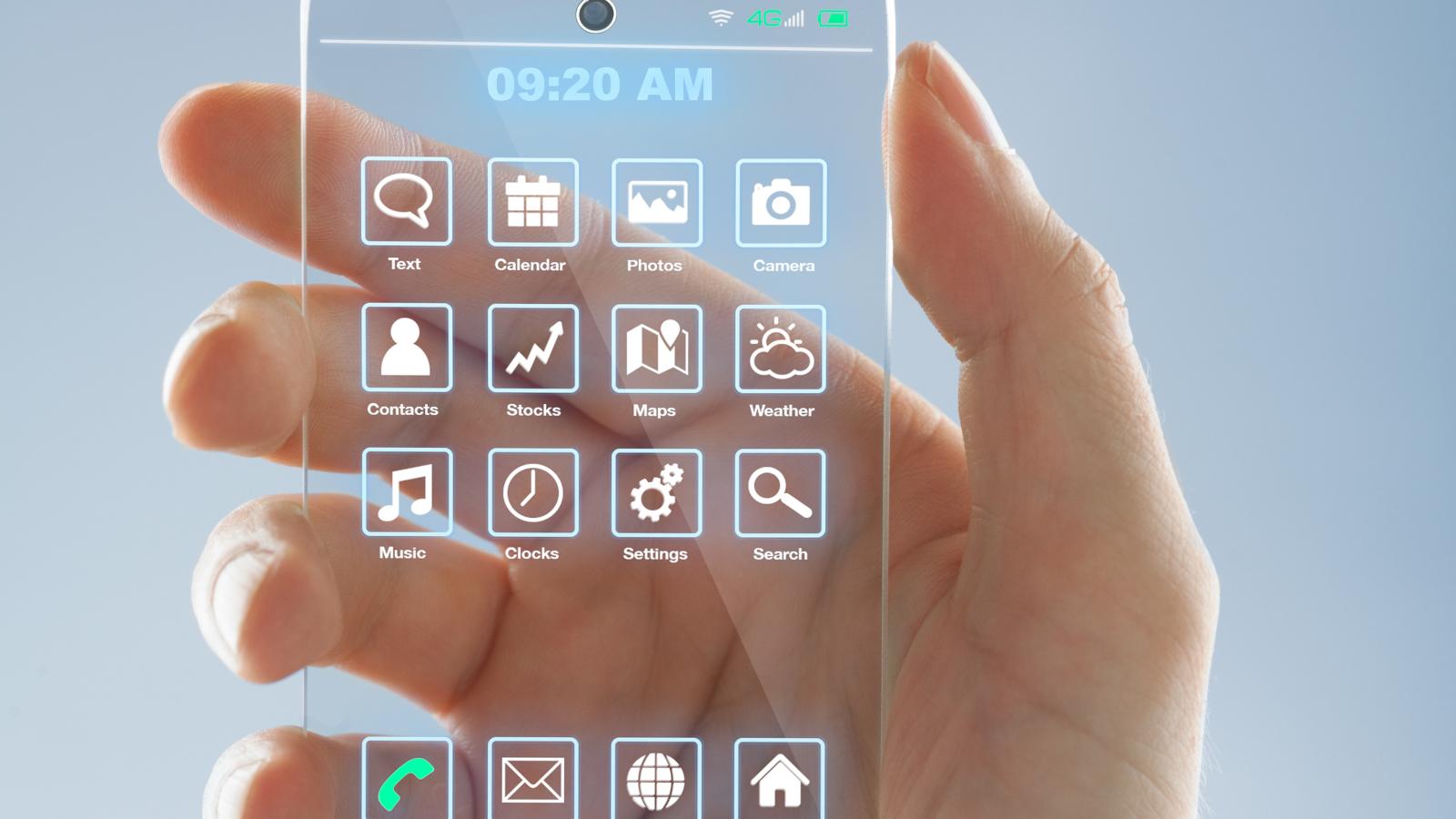
Goodbye, Glass Slab: Inside the Race to Replace the Smartphone
From holographic wrists to thought-powered texts, the race to replace the smartphone is no longer sci-fi—it’s supply-chain reality.
The Wake-Up Call
On a rain-soaked morning in Seoul, 26-year-old Park Min-ji slipped her palm-sized, foldable “patch” from her pocket, unfolded it once, and answered a video call that hovered in mid-air. No screen. No battery anxiety. No rectangular brick.
Three time zones away, Apple’s Cupertino campus buzzed with rumors that the next iPhone—if that’s still the right word—won’t be a phone at all. Investors are listening. Consumers are confused. And the trillion-dollar question ricocheting through supply-chain corridors is simple: what comes after the smartphone?
The Post-Phone Players
1. Ambient Computing
Amazon’s new Echo Frames push Alexa off the countertop and into your daily eyeline. The bet: voice plus invisible A.I. equals a phone you never have to pull out.
2. Wearable Holography
Samsung’s Project Moohan, revealed last month, projects 3-D interfaces onto any surface—tabletops, subway windows, even your forearm. Early testers call it “the death of the screen.”
3. Neural Interfaces
Elon Musk’s Neuralink is recruiting quadriplegic volunteers for a chip that lets you text by thought alone. Regulatory hurdles remain, but Wall Street analysts already price in a 2030 market cap north of $200 billion for brain-machine startups.
Why Now?
Global smartphone shipments have fallen six straight quarters. Gen-Z users spend 3.7 hrs daily on TikTok, but only 11 minutes actually calling. “The utility of the rectangle has peaked,” says Dr. Lena Okoro, lead futurist at Ericsson. “We’re entering the age of contextual, ambient tech that dissolves into surroundings.”
What Stands in the Way
- Battery Physics: Holographic projectors draw 40× more power than OLED screens.
- Privacy Paranoia: Always-on wearables raise Orwellian red flags.
- Cost Curves: Foldable glass already pushed flagship prices past $1,800; neural implants won’t launch under $10,000.
The Incumbent Fight-Back
Apple’s patent filings show a credit-card-sized slab that docks into glasses, earbuds, even car dashboards—one brain, many bodies. Google’s “Project Iris” AR headset, slated for late 2025, aims to fuse Search, Maps and Gemini A.I. into a contextual layer over reality.
Consumers at the Crossroads
“I just want my music, maps and messages without carrying anything,” says commuter Dana Ruiz, 34, testing Amazon Frames in Seattle. “If I can leave the phone in a drawer forever, I’m in.”
The Bottom Line
The rectangle that defined the last 15 years is fading, not with a bang but with a whisper into earpieces, eyewear and neural meshes. Winners will master battery life, data privacy and—hardest of all—human habit. The phone is dead; long live whatever dissolves next into thin air.