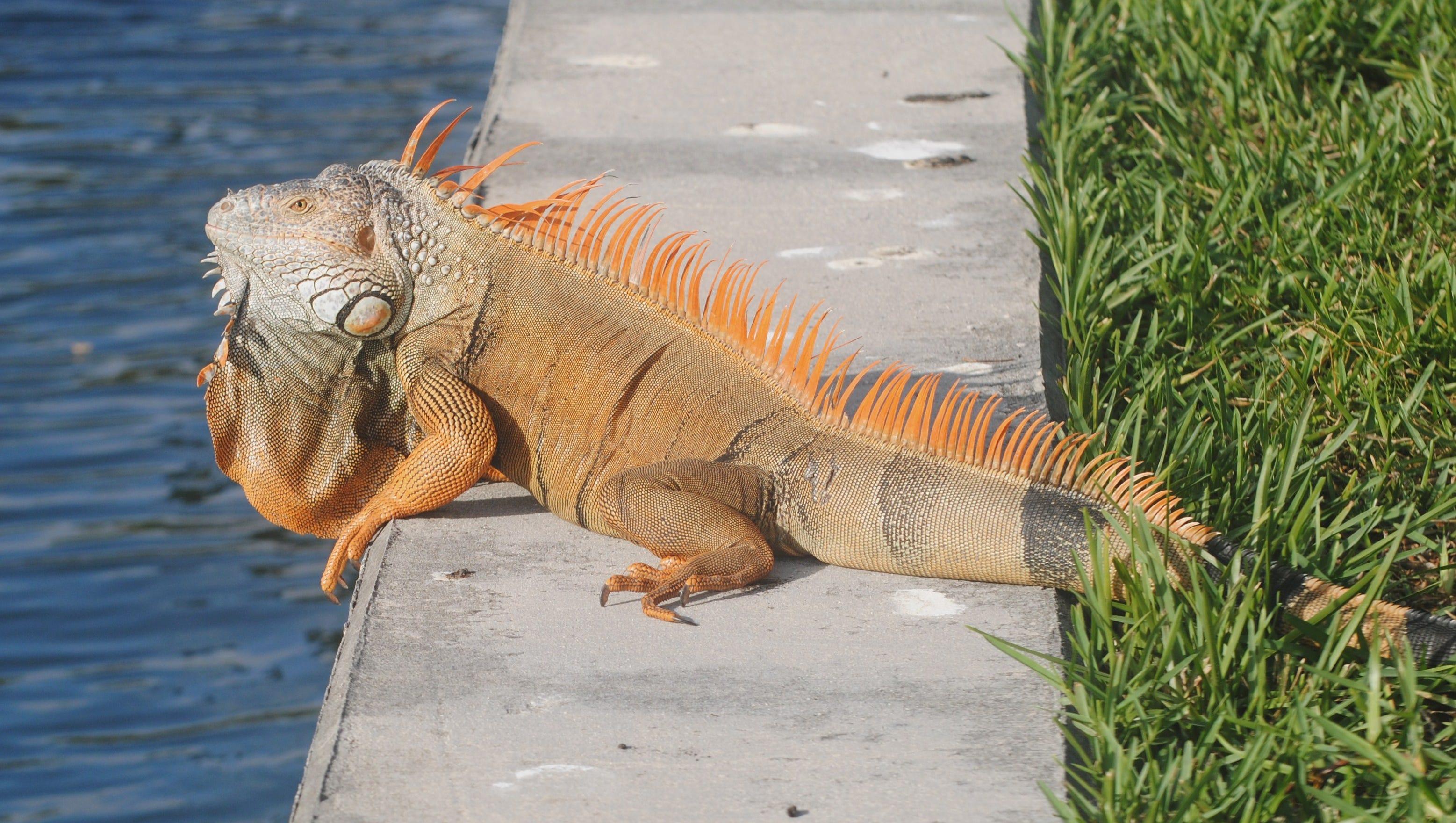
Florida's Iguana Invasion: When Cold Weather Turns Deadly
Florida's invasive iguana population is wreaking havoc on the state's ecosystem, with cold-stunned animals falling from trees and residents grappling with the consequences.
Imagine walking outside on a brisk winter morning, only to be greeted by the sight of reptilian bodies scattered across your lawn. For many Floridians, this surreal scene has become an unwelcome reality, as cold-stunned invasive iguanas fall from trees, leaving residents to grapple with the consequences of an unchecked population.
Uninvited Guests: The Rise of Invasive Iguanas
The invasion of non-native iguanas in Florida is a tale of human hubris and environmental recklessness. Native to Central and South America, these large lizards have been introduced to the Sunshine State through the pet trade, with many owners releasing them into the wild when they become too difficult to care for.
A Delicate Ecosystem Disrupted
According to Dr. Jane Thompson, a wildlife expert at the University of Florida, 'The introduced iguana population is having a devastating impact on the native ecosystem. They compete with native species for food and habitat, and their burrowing activities can cause significant damage to infrastructure and the environment.'
The Cold-Stunned Conundrum
When temperatures drop, iguanas can become 'cold-stunned,' a state in which their metabolism slows down, causing them to lose their grip on trees and fall to the ground. This phenomenon has become a grim spectacle in Florida, with residents collecting the stunned animals for humane euthanasia.
A Call to Action: Controlling the Population
'It's essential that we take proactive measures to control the iguana population and prevent further ecological damage,' says Mark Davis, a local wildlife management expert. 'This includes educating the public about the risks of releasing non-native species into the wild and implementing effective eradication strategies.'
The Human Factor: Unintended Consequences
As the invasive iguana population continues to grow, so do the concerns about human safety. Iguanas can carry diseases such as salmonella, and their burrowing activities can lead to property damage and infrastructure disruption.
Rethinking the Pet Trade
The influx of invasive iguanas in Florida serves as a poignant reminder of the importance of responsible pet ownership. 'The pet trade needs to be reevaluated, with a focus on education and regulation,' emphasizes Dr. Thompson. 'We need to ensure that people understand the risks associated with exotic pets and the potential consequences of releasing them into the wild.'
Toward a Solution: Collaboration and Conservation
To mitigate the effects of the invasive iguana population, collaboration between government agencies, local communities, and wildlife experts is crucial. 'We need to work together to develop effective strategies for population control and ecosystem restoration,' says Mark Davis.
A Long-Term Commitment
The battle against invasive species requires a long-term commitment to conservation and sustainability. As Floridians navigate the challenges posed by the iguana invasion, they must also acknowledge the importance of protecting the state's unique ecosystem for future generations.
As we ponder the fate of Florida's ecosystem, we are forced to confront a fundamental question: what does it mean to be a responsible steward of the natural world? The answer, much like the solution to the invasive iguana problem, will require patience, perseverance, and a deep understanding of the delicate balance between humans and the environment.