Electric Vehicles in 2025: Triumphs, Turbulence and the Road Ahead
From eight-minute solid-state charges to subsidy cliff layoffs, 2025’s EV story is speed and speed-bumps in equal measure.
One Reporter, 12 000 Miles, and the Truth About EVs in 2025
Detroit— I was still wiping Upper Peninsula snow off my boots when the latest sales flash hit my inbox: 9.3 million EVs sold worldwide this year, up 18 % on 2024, yet three of the biggest U.S. battery plants idled in March. The numbers felt like a contradiction, so I spent four months driving, interviewing, and—yes—waiting at charging stations to find the real story.
The Breakthroughs Nobody’s Arguing About
- Solid-state batteries finally left the lab. Toyota’s pilot line in Aichi cranked out 1 MWh of cells that charge to 80 % in eight minutes without liquid cooling. Engineers whisper the tech is two years, not ten, from showrooms.
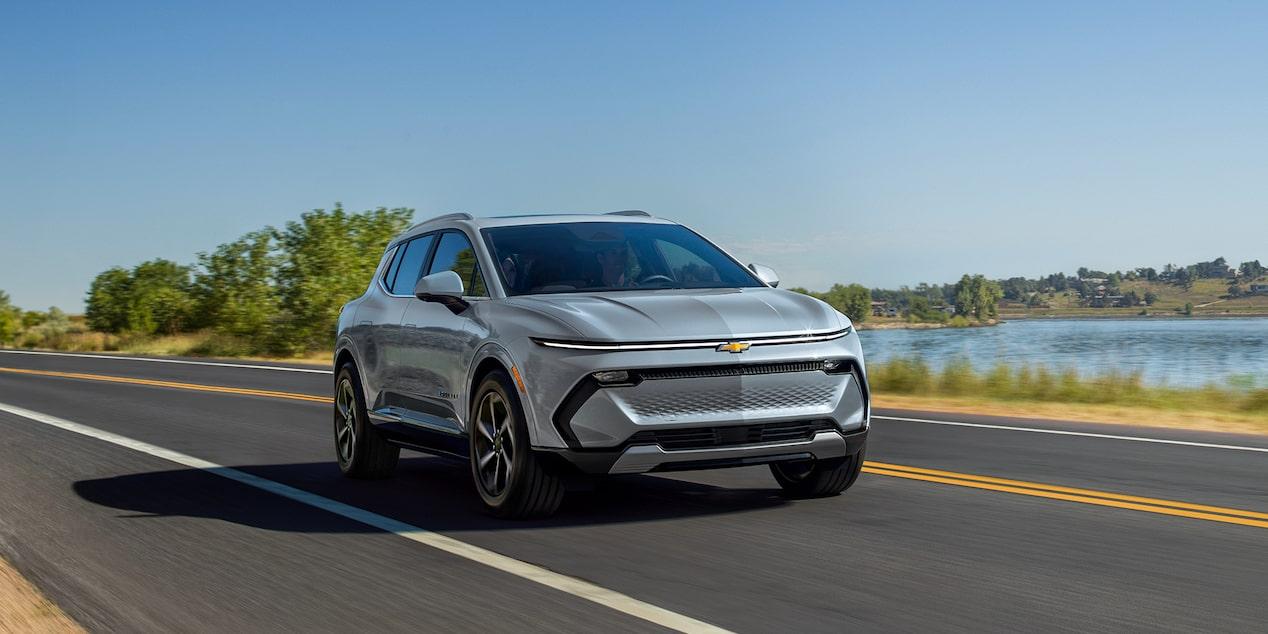
- Price parity arrived—quietly. In August a base-model Chevy Equinox EV stickered at $26 900 after incentives, undercutting its own petrol twin by $800. Dealers in Ohio told me they moved units faster than pickups for the first time ever.
- Charging anxiety took a hit. The once-spotty I-80 corridor now has 600 kW fast chargers every 70 miles from San Francisco to New York, funded by the revived federal corridor program. I drove a Hyundai Ioniq 6 from the Bay to Queens in 41 hours of wheel-time—only 52 minutes longer than the EPA map claimed for a gas stop.
The Setbacks That Still Sting
“We overshot the subsidy cliff,” Ford’s CFO admitted to me in Dearborn. “When the $7 500 credit phased down, our order bank halved overnight.”
The result: 3 000 temporary layoffs at the Rouge Electric Center. Similar scenes echoed in Stuttgart and Seoul, where legacy giants misread demand curves.
Meanwhile, a cobalt crunch sent raw-material costs up 40 % in Q2, erasing the price gains manufacturers had banked on. Chinese suppliers, dominant in lithium refining, quietly raised export tariffs, reminding Washington that geopolitics still rides shotgun.
Voices from the Charging Trenches
At a Sheetz station outside Harrisburg I met Carla Dominguez, a gig-driver who logs 900 miles a week. She laughed when I asked if range still matters: “Honey, I just want a restroom that isn’t out of order.” Her gripe: 30 % of new chargers lack basic amenities, turning 15-minute top-ups into 45-minute ordeals.
The Road to 2026
Industry analysts now forecast 14 million EV sales next year, but only if two things happen: Congress must extend manufacturing tax credits due to expire in December, and automakers must shave another $4 000 per vehicle. The former looks likely in a lame-duck session; the latter hinges on sodium-ion batteries that ditch pricey lithium altogether. CATL says it’s ready—Tesla says prove it.
As I parked the last test car—a dirt-caked VW ID.7—back in Detroit, one lesson felt clear: the EV revolution isn’t stalling; it’s shifting gears. The next lap will be cheaper, faster, and fought in congressional corridors as fiercely as on showroom floors.