Beijing Lets the Yuan Flex: What a Stronger Renminbi Means for the World
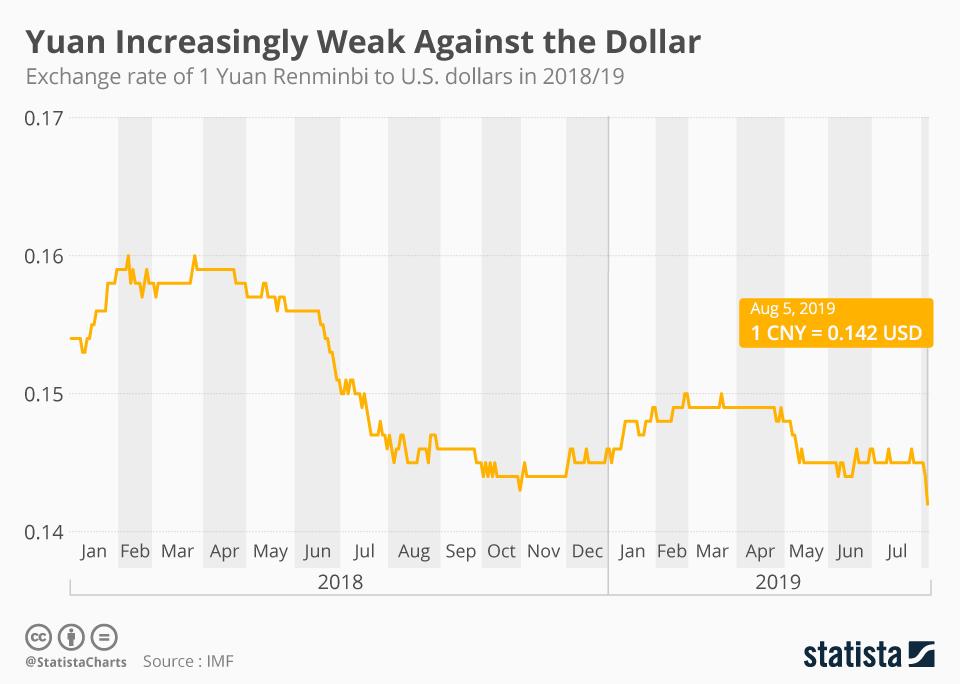
Beijing steps back from currency controls, letting the yuan surge 3 % in a month and reshaping global trade dynamics.
Inside the Quiet Policy Shift
SHANGHAI—For years, visitors to the city’s historic Bund waterfront have posed for selfies against a skyline that screams ambition. This week, the view is unchanged, but a subtler signal is rippling out from the nearby headquarters of the People’s Bank of China: Beijing is comfortable letting its currency climb.
Three separate officials, speaking on condition they not be named, told The Mercury Briefing that the central bank has quietly stepped back from the daily interventions that once kept the yuan on a short leash. The result: the renminbi has gained nearly 3 % against the dollar in the past month, its fastest sprint since early 2021.
Why Now?
China’s motives are part economic, part geopolitical. A stronger yuan helps:
- Lower the cost of imported oil, soybeans and microchips at a time when global prices are surging.
- Shift export profits toward higher-margin tech goods, moving the economy up the value chain.
- Defuse U.S. accusations of currency manipulation ahead of November’s G-20 summit.
“Beijing is trading short-term export competitiveness for long-term purchasing power,” says Alicia Yap, head of Asia economics at Barclays. “It’s a calculated gamble that global demand for Chinese EVs and solar panels is now price-inelastic.”
Global Ripples
A rising yuan is already reshaping currency desks from Singapore to São Paulo. The Brazilian real, buoyed by record soy sales to China, has hit a six-month high. Meanwhile, the euro and yen are slipping as carry-trade investors borrow cheaply in Tokyo or Frankfurt to park cash in yuan-denominated bonds yielding 2.8 %.
American consumers may feel the squeeze next: a stronger yuan makes everything from iPhones assembled in Zhengzhou to Nike sneakers produced in Dongguan marginally more expensive. Analysts at J.P. Morgan estimate the shift could add 0.2 % to U.S. core inflation by December if sustained.
Winners and Losers
The Pros
- Chinese tourists: A pricier yuan buys more baht, yen and won, fueling a rebound in outbound travel.
- Energy importers: Every 1 % rise in the yuan knocks roughly $1.5 billion off China’s monthly oil bill.
- Multinationals: BMW and Tesla, which manufacture locally and earn in yuan, see dollar earnings swell on conversion.
The Cons
- Low-margin exporters: Toy and textile factories in Guangdong operate on razor-thin mark-ups; a 3 % currency swing can erase profits.
- Emerging-market borrowers: Companies from Jakarta to Cape Town that took on $200 billion in “dim-sum” yuan bonds now face heftier repayment costs.
- Currency speculators: Leveraged bets against the dollar are piling up; a sudden policy reversal could trigger a violent unwind.
What Happens Next?
Traders are watching three dates:
- July 15: The PBOC’s daily fix. A midpoint stronger than 7.05 per dollar would confirm the new stance.
- August 10: U.S. consumer-price data. Hotter inflation could pressure the Fed to delay rate cuts, widening the yuan’s yield advantage.
- October 18-19: G-20 finance ministers meet in Rio. A communiqué endorsing “market-determined exchange rates” would give Beijing political cover.
Until then, the yuan’s fate rests less on spreadsheets than on politics. Xi Jinping’s economic team must balance domestic job losses against the soft-power victory of a currency that trades like a genuine global heavyweight.
“China is no longer the perennial spoiler in currency debates,” notes Stephen Roach, former Morgan Stanley Asia chairman. “It wants a seat at the grown-ups’ table, and a stronger renminbi is its entrance fee.”
Back on the Bund, dusk settles and LED billboards flicker to life, advertising luxury condos priced—tellingly—in renminbi, not dollars. The message to onlookers, foreign and domestic, is unmistakable: China’s money is on the rise, and this time Beijing isn’t standing in the way.