ADHD Drugs Rewire Brain’s Reward Circuit, Groundbreaking Study Reveals
Landmark research upends the classic view of ADHD drugs, revealing they rewire motivation and wakefulness circuits, not just attention.
A Surprising Shift in How We Understand ADHD Medication
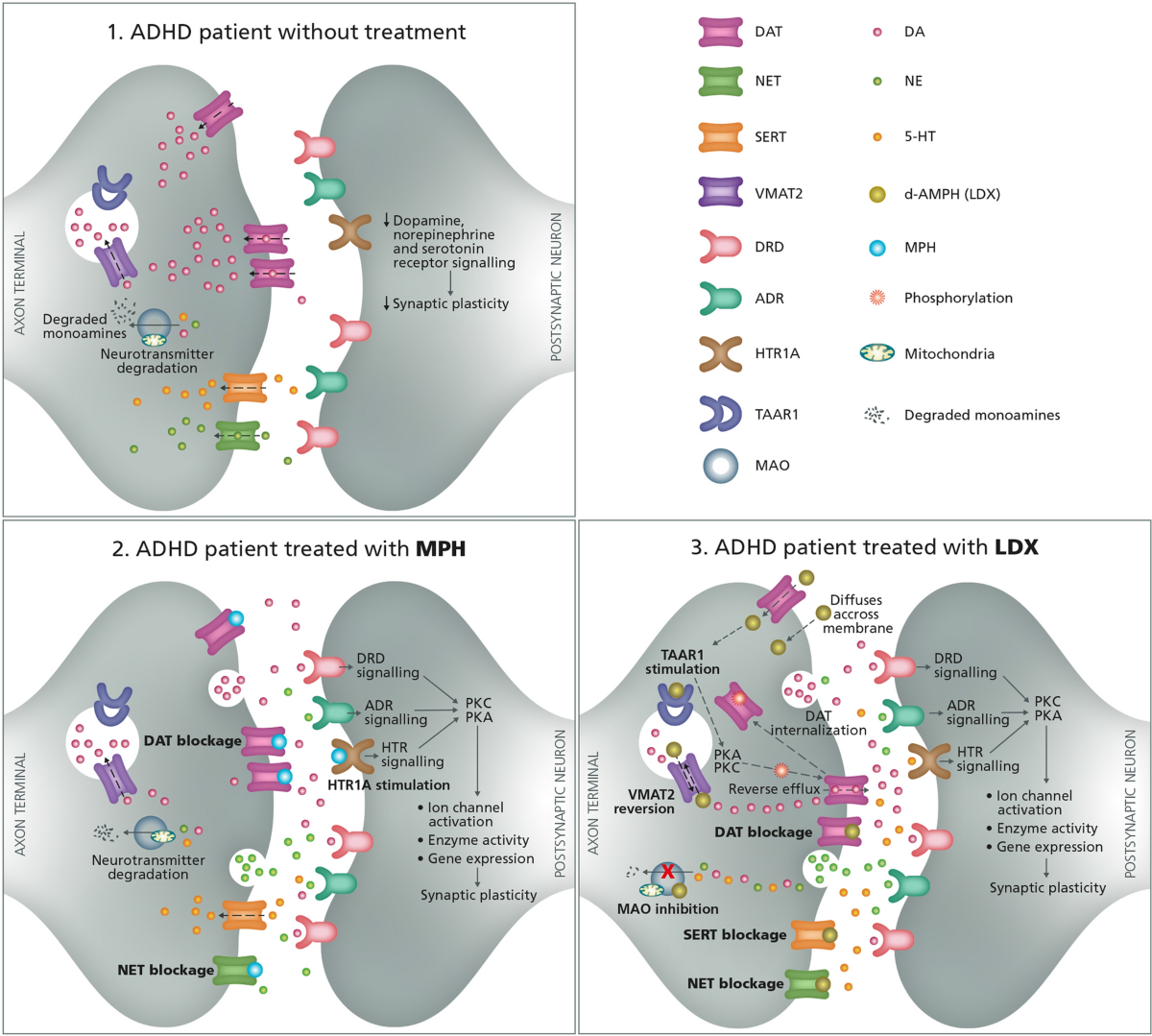
For decades, doctors have prescribed stimulants for ADHD by describing them as simple "focus boosters." A sweeping international study released Thursday turns that idea on its head, showing the drugs actually recalibrate three separate brain networks tied to reward, motivation, and staying awake.
From Hallway Whispers to Lab Bench
Dr. Maya Patel, a neuroscientist at King’s College London, remembers when the first anomalies surfaced. "Patients kept telling us, ‘I finally feel like doing the dishes,’ or ‘I can keep promises to myself,’" she said. "Those aren’t attention anecdotes; they’re motivation stories."
Her team pooled data from 28 imaging studies covering 1,300 participants. Instead of merely increasing dopamine everywhere, the drugs appeared to:
- Quieten the default-mode network, the day-dreamy circuitry linked with distraction.
- Strengthen the reward circuit, making small victories feel satisfying.
- Light up the orexin system, the brain’s internal alarm clock that sustains wakefulness.
"We’re not just sharpening a pencil; we’re rewiring the entire writing desk," Patel said.
What This Means for 366 Million People Worldwide
ADHD affects roughly 5% of the planet’s population, yet fewer than 20% receive consistent treatment. Experts hope the new mechanism map will:
- Reduce stigma by framing medication as a neuromodulator, not a "study drug."
- Spur development of non-stimulant therapies that target the same triad of circuits.
- Guide clinicians to personalize doses based on which network is weakest in each patient.
Looking Ahead
Trials aiming to mimic these effects without stimulants are already under way in Basel and Boston. Until then, Patel has simple advice: "If the meds help you feel human, take that seriously. Your brain is voting for motivation, not cheating at life."