A Nation Divided: Anti-ICE Protests Sweep Across the US
Nationwide protests against ICE have erupted across the US, sparked by fatal shootings in Minneapolis and fueled by growing discontent with the agency's tactics and impact on communities.
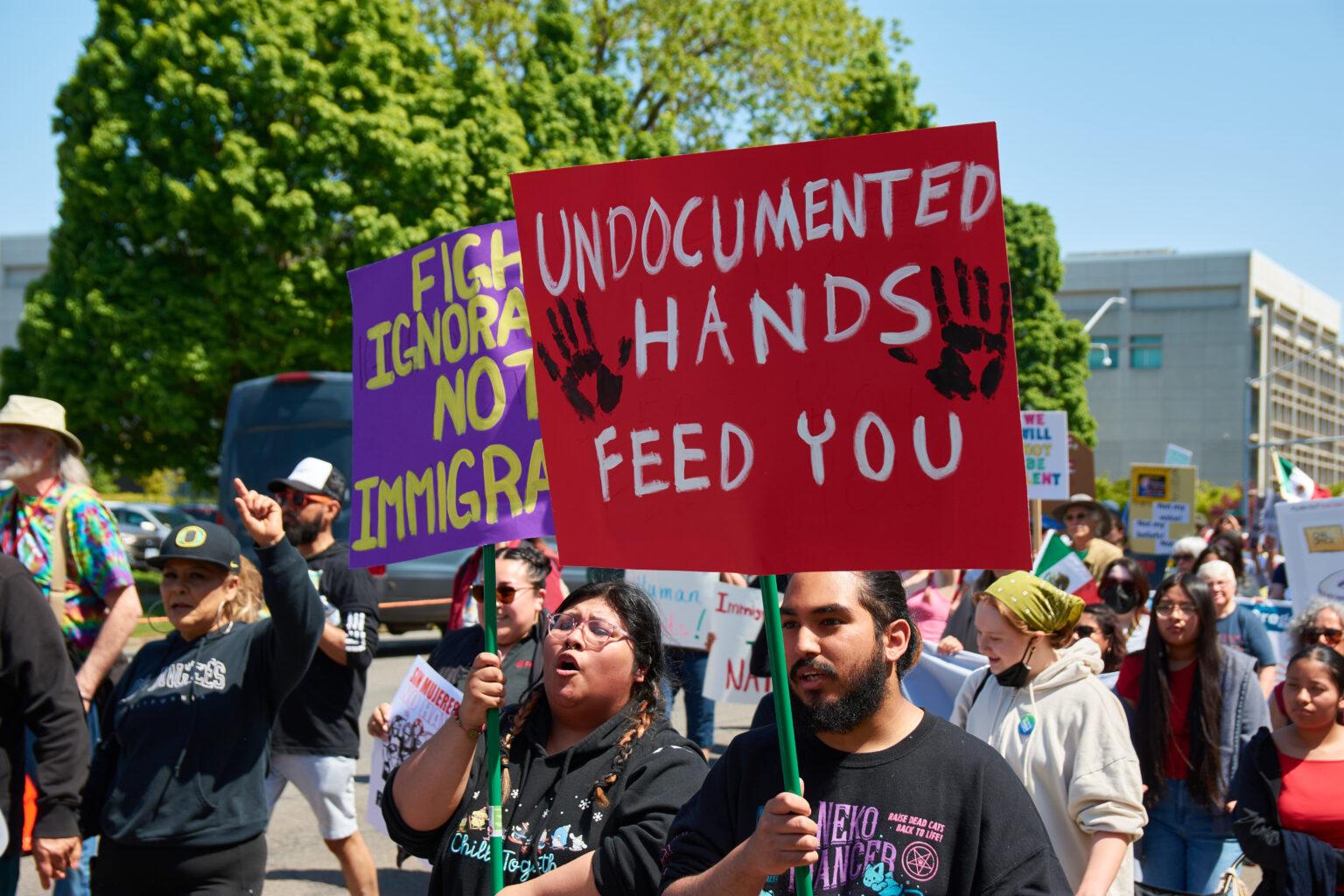
As the sun set over the bustling streets of Minneapolis, a sense of unease hung in the air. The fatal shootings that had occurred just days before still lingered, a painful reminder of the turmoil that had been brewing for months. The streets, once filled with the sounds of laughter and chatter, were now a sea of determined faces, all united in their call for change. Thousands of protesters had gathered, their voices raised in a collective cry against the Immigration and Customs Enforcement (ICE) agency, an institution that had become a symbol of fear and oppression for many.
Understanding the Backlash Against ICE
The protests, which had begun in Minneapolis, quickly spread to other cities across the US, with demonstrators in New York, Los Angeles, and Chicago joining in to voice their discontent. At the heart of the issue was a growing perception that ICE had become an instrument of fear, its tactics often heavy-handed and its impact on communities devastating.
"The situation has become unbearable," said Dr. Maria Rodriguez, a leading immigration expert. "Families are being torn apart, and the very fabric of our society is being threatened. It's time for us to stand together and demand a more compassionate approach to immigration."
A Brief History of ICE and Its Controversies
ICE, created in 2003 as part of the Department of Homeland Security, was initially tasked with enforcing immigration laws and ensuring border security. However, over the years, its role and methods have been subject to intense scrutiny. Critics argue that the agency has abused its powers, engaging in raids that often result in the separation of families and the detention of individuals who pose no threat to national security. The data tells a similar story, with the number of deportations and detentions skyrocketing under recent administrations.
The Human Impact of ICE's Actions
Beyond the statistics, the human cost of ICE's actions cannot be overstated. Families have been torn apart, with parents separated from their children and spouses from each other. The psychological trauma inflicted on these individuals is profound, with many left to pick up the pieces of shattered lives.
"I was detained for six months, separated from my family and unable to work. It was like my life had been put on hold," explained Juan Hernandez, a father of two who was eventually released after a lengthy legal battle. "The experience was humiliating and dehumanizing. I fear for the future of our country if this is how we treat our most vulnerable members."
The Role of Activism and Protest
The current wave of protests against ICE is part of a broader movement, one that seeks to challenge the status quo and advocate for a more inclusive, compassionate immigration policy. Activists argue that the system is broken, favoring enforcement over humanity and ignoring the complex realities of immigration. They call for reforms that prioritize family unity, provide a path to citizenship for undocumented immigrants, and address the root causes of migration.
Why This Shifts the Global Paradigm
The anti-ICE protests are not just a reaction to recent events; they represent a shift in the national conversation about immigration. For years, the debate has been marked by polarization and gridlock, with little progress toward meaningful reform. However, the current movement suggests a growing recognition of the need for a different approach, one that balances security concerns with humanitarian considerations. As the US navigates its role in a rapidly changing world, how it chooses to treat its most vulnerable populations will have far-reaching implications, not just for the country, but for the global community at large.
Looking to the Future
As the protests continue, there is a sense of urgency and a call to action. The future of immigration policy in the US hangs in the balance, with the potential for significant reforms on the horizon. Yet, the path forward will not be easy. It will require a willingness to engage in difficult conversations, to listen to diverse perspectives, and to seek common ground. The alternative is a continued stalemate, one that will only exacerbate the suffering of those caught in the crossfire.
- The need for comprehensive immigration reform that addresses the complexities of the issue.
- A shift in public perception, recognizing the humanity of all individuals, regardless of their immigration status.
- A commitment to dialogue and negotiation, seeking solutions that balance different interests and concerns.
In the end, the outcome of this struggle will depend on the resilience and determination of those fighting for change, as well as the willingness of leaders to listen and to act. The question remains: What kind of nation will the US become? One that values the contributions of all its members, or one that continues down a path of division and exclusion? The answer will emerge from the voices of its people, their actions, and their demands for a more just and equitable society.