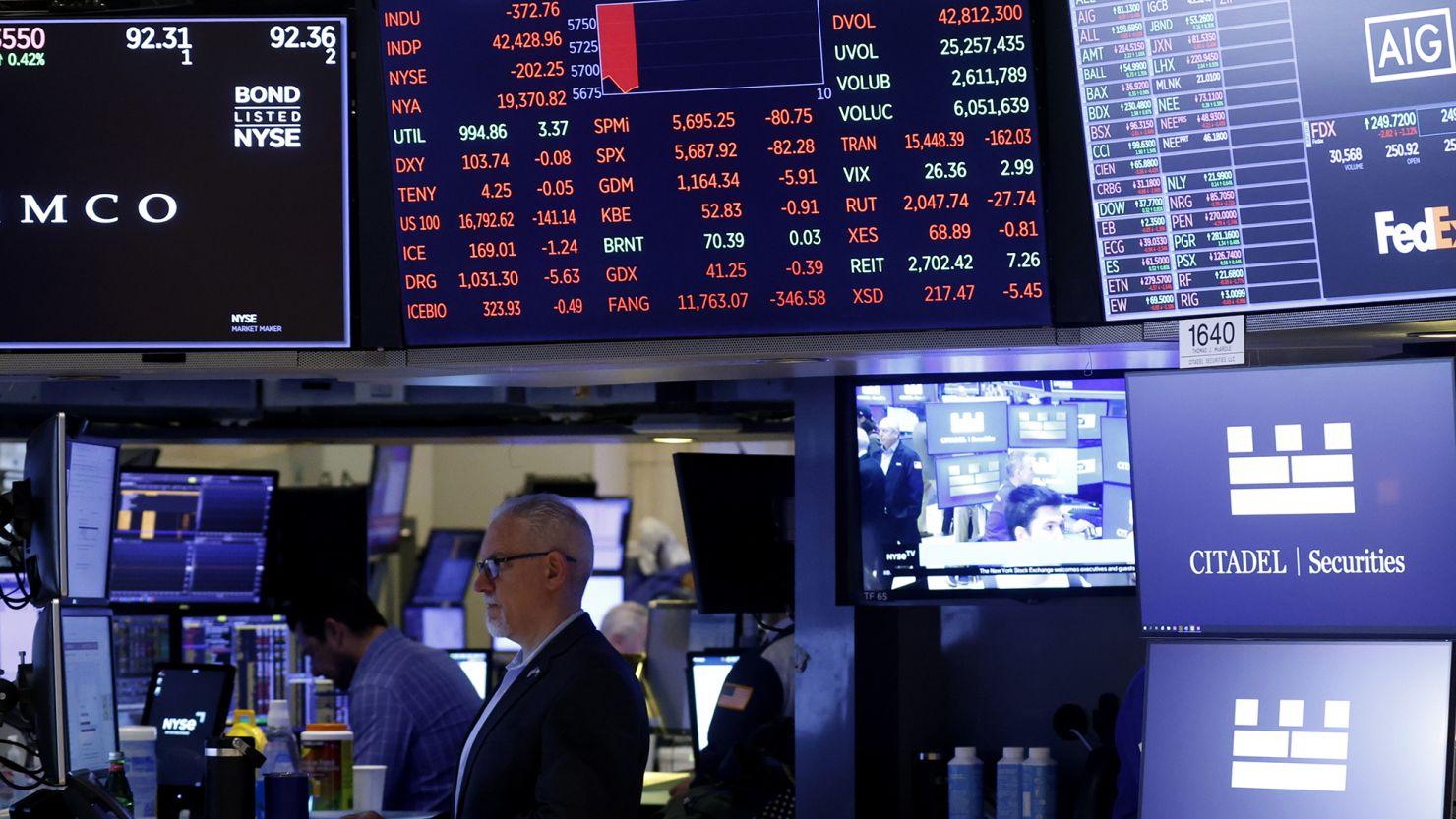
2025 US Economy: No Recession, But the Squeeze Is Real
Growth is positive, but paychecks lag behind prices. Inside the two-track 2025 U.S. economy.
The Headline That Didn't Happen
At 9:30 a.m. on a humid July morning in Washington, the Bureau of Economic Analysis released the number every trader, parent, and shift-worker had been waiting for: the U.S. had logged two straight quarters of positive growth. Statistically, the recession was canceled.
Yet the champagne stayed on ice. In Columbus, Ohio, 42-year-old Tashaun Briggs clocked out of his warehouse job and drove straight to a food pantry. His hourly wage rose 3 % last year; eggs jumped 38 %.
Two Economies, One Country
Federal data show GDP up 1.4 % annualized, unemployment stuck at 4.1 %, and core inflation hovering near 3.5 %. Translation: the macro dashboard is blinking green, but household dashboards flash red.
- Rent is up 7 % nationwide; in Sun Belt cities, 12 %.
- Job openings have fallen below 8 million for the first time since 2021, triggering a hiring “soft freeze” in tech and logistics.
- Credit-card delinquencies are at their highest level since 2010.
“We’re in a silent recession,” says Swati Rao, senior economist at Piper Sandler. “The aggregates look fine; the distribution does not.”
Where the Pain Lives
Spend a week in the field and the bifurcation is stark. In suburban Atlanta, software sales rep Claire Donovan closed on a $950,000 townhome—one of 14 offers. Two hours north in Dalton, carpet-mill supervisor Luis Ortega tells his teenage sons they may have to postpone college; overtime hours vanished when orders slowed.
The Federal Reserve’s own beige-book anecdotes echo the split: tourism and aerospace are booming; small manufacturers are shedding staff.
Policy Playbook: What Comes Next
With the Fed funds rate at 5.5 %, Wall Street is betting on a September cut. Chairman Jerome Powell has signaled patience, noting that wage growth—while cooling—remains above pre-pandemic norms.
Meanwhile, Capitol Hill is flirting with a targeted stimulus: a bipartisan bill would expand the Child Tax Credit for families earning under $70 k, injecting an estimated $90 billion into lower-income pockets without juicing demand across the board.
The Bottom Line
Avoiding a recession is not the same as restoring optimism. Until paychecks outrun grocery bills, the 2025 recovery will feel like a mirage to millions of Americans—close enough to see, too far to drink.